Qatar-US Strategic Partnership: Al Udeid Air Base and Gulf Security
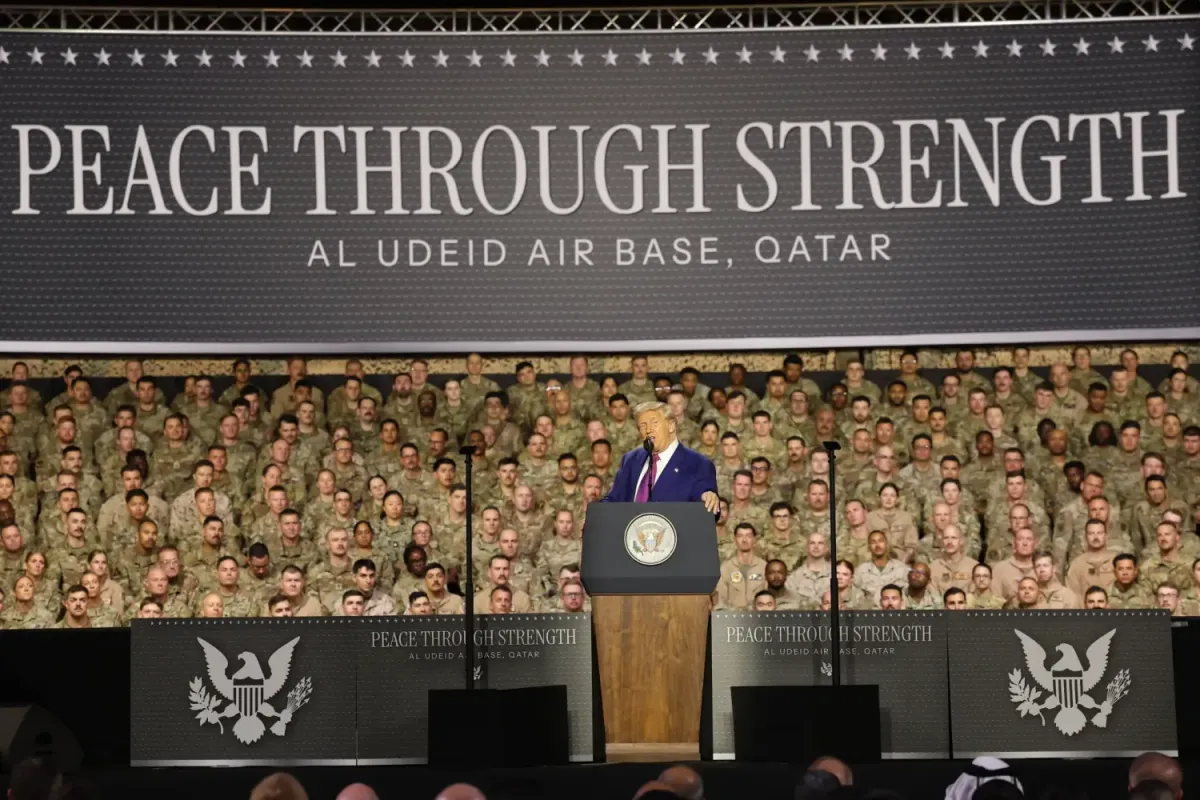
Introduction to Qatar-US Strategic Partnership
The Qatar-US strategic partnership is a multifaceted relationship that has been strengthening over the years, with a strong focus on defense and security cooperation. At the heart of this partnership is the Al Udeid Air Base, a crucial military installation that serves as a hub for US and coalition forces in the region. This guide will delve into the history and significance of the Al Udeid Air Base, its role in Gulf security, and the broader context of the Qatar-US strategic partnership.
History and Significance of Al Udeid Air Base
Al Udeid Air Base, located approximately 45 kilometers southwest of Doha, is one of the largest and most important US military bases in the Middle East. The base was initially built by the Qatari government in the 1990s, and in 2001, it was expanded to accommodate US and coalition forces following the invasion of Afghanistan. Today, the base is home to the US Air Force's 379th Air Expeditionary Wing and serves as a key logistics and operational hub for a wide range of military activities, including airpower projections, intelligence gathering, and special operations.
The base's strategic location allows for easy access to the Arabian Gulf, the Indian Ocean, and the Middle East, making it an ideal location for US and coalition forces to launch operations against terrorist organizations and other security threats in the region. With over 10,000 US and coalition personnel stationed at the base, Al Udeid plays a critical role in maintaining regional stability and security.
Role of Al Udeid Air Base in Gulf Security
The Al Udeid Air Base plays a vital role in maintaining Gulf security, with its primary mission being to provide airpower support to US and coalition forces operating in the region. The base is equipped with state-of-the-art infrastructure, including runways, hangars, and fuel storage facilities, allowing it to accommodate a wide range of aircraft, from fighter jets to transport planes and drones.
The base's airpower capabilities are complemented by its advanced command and control systems, which enable US and coalition forces to coordinate and execute complex military operations. The base also serves as a hub for intelligence gathering and surveillance, with a range of sensors and reconnaissance systems providing critical information on security threats in the region.
Some of the key security initiatives and operations supported by Al Udeid Air Base include:
- Operation Inherent Resolve (OIR), the US-led coalition campaign against the Islamic State (IS) in Iraq and Syria
- Operation Freedom's Sentinel, the US-led coalition campaign against terrorist organizations in Afghanistan
- Maritime security operations in the Arabian Gulf and the Indian Ocean, aimed at protecting shipping lanes and preventing piracy and smuggling
- Counter-terrorism operations against al-Qaeda and other extremist groups in the region
Qatar-US Strategic Partnership: Beyond Al Udeid Air Base
While Al Udeid Air Base is a critical component of the Qatar-US strategic partnership, the relationship between the two countries extends far beyond the base. The partnership is built on a foundation of shared interests and values, including a commitment to regional stability and security, counter-terrorism, and economic cooperation.
Some of the key areas of cooperation between Qatar and the US include:
- Economic development: The US is one of Qatar's largest trading partners, with bilateral trade exceeding $6 billion in 2020. Qatar is also a significant investor in the US, with investments in real estate, energy, and other sectors.
- Education and culture: The US and Qatar have a strong educational exchange program, with many Qatari students studying in the US. The two countries also cooperate on cultural initiatives, including the Qatar Museums Authority's partnership with the Museum of Modern Art (MoMA) in New York.
- Energy and climate change: Qatar and the US cooperate on energy issues, including the development of liquefied natural gas (LNG) resources and the promotion of clean energy technologies. The two countries also work together on climate change initiatives, including the reduction of greenhouse gas emissions and the promotion of sustainable development.
Challenges and Opportunities in the Qatar-US Strategic Partnership
Despite the strong foundation of the Qatar-US strategic partnership, there are several challenges and opportunities that need to be addressed. Some of the key challenges include:
- Regional tensions: The Gulf region is characterized by complex and often tense relationships between countries, with Qatar facing challenges from neighboring countries, including Saudi Arabia, the United Arab Emirates (UAE), and Bahrain.
- Counter-terrorism: The region remains a hub for terrorist organizations, including IS and al-Qaeda, which pose a significant threat to regional stability and security.
- Economic diversification: Qatar is working to diversify its economy, reducing its dependence on hydrocarbons and promoting private sector growth and investment.
However, there are also significant opportunities for cooperation and growth, including:
- Infrastructure development: Qatar is investing heavily in infrastructure development, including the expansion of Hamad International Airport and the development of new seaports and logistics facilities.
- Technology and innovation: Qatar is promoting the development of technology and innovation, including the establishment of the Qatar Science and Technology Park (QSTP) and the Qatar Robotics and Automation Center (QRAC).
- Regional integration: Qatar is working to promote regional integration and cooperation, including through the Gulf Cooperation Council (GCC) and the Arab League.
Conclusion
In conclusion, the Qatar-US strategic partnership is a critical relationship that plays a significant role in maintaining regional stability and security. The Al Udeid Air Base is a key component of this partnership, providing a vital hub for US and coalition forces operating in the region. However, the partnership extends far beyond the base, with cooperation in areas such as economic development, education and culture, energy and climate change, and counter-terrorism.
As the region continues to evolve and face new challenges, the Qatar-US strategic partnership will remain a critical component of regional security and stability. With its strong foundation and commitment to shared interests and values, the partnership is well-positioned to address the challenges and opportunities of the future, promoting peace, prosperity, and stability in the Gulf region and beyond.