Qatar LNG Fleet 2026: How Doha Controls a Quarter of Global Gas Shipments
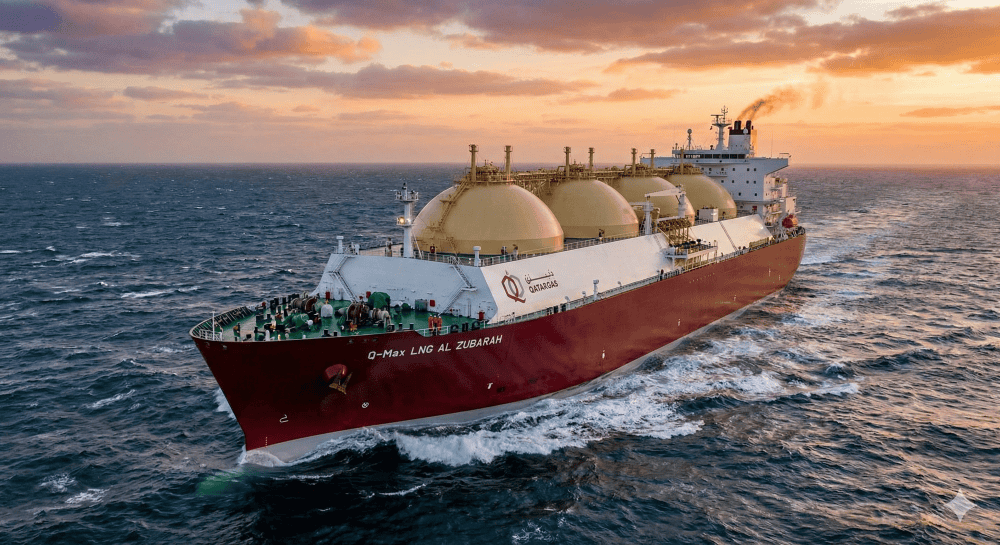
Qatar's Expanding LNG Fleet: A Global Energy Game-Changer
As of 2026, Qatar's strategic expansion of its Liquefied Natural Gas (LNG) fleet has positioned Doha as a dominant force in the global energy market, controlling roughly a quarter of global gas shipments. This development is more than a matter of national pride; it represents a significant influence over global energy security and economic stability. As tensions rise in key maritime chokepoints like the Strait of Hormuz, Qatar’s robust LNG capabilities are proving to be a critical factor in international energy dynamics.
Dominance Through Strategic Investment
Qatar's substantial investment in its LNG fleet over the past decade has been a calculated move to secure a leading role in the energy sector. This strategy includes the expansion of both its shipping fleet and production facilities. By 2026, Qatar’s LNG carriers are responsible for transporting 25% of the world's LNG, a testament to its massive capacity and global reach.
Qatar's focus on LNG comes as no surprise given the nation's vast natural gas reserves. The North Field, the world's largest non-associated natural gas field, provides Qatar with a competitive advantage. This strategic resource has allowed Qatar to not only meet domestic energy demands but also to export substantial quantities of LNG worldwide, thereby increasing its geopolitical influence.
Impact of Regional Instabilities
The Middle East is no stranger to geopolitical tensions, and Qatar's LNG fleet plays a pivotal role amid these complexities. The recent warning by Qatar regarding the stretched Gulf regional security system is a reflection of the ongoing regional challenges. The conflict in the Strait of Hormuz, exacerbated by Iranian actions and the broader war dynamics, underscores the strategic importance of Qatar’s LNG fleet.
Iran's recent assertion that only non-aggressive vessels will be granted safe passage through the Strait further complicates matters for global energy trade. In this context, Qatar's ability to maintain a steady flow of LNG shipments offers a semblance of stability amidst uncertainty, reinforcing the country's role as a reliable energy supplier.
Global Energy Dependencies
The global reliance on Qatar's LNG is evident as countries worldwide grapple with energy crises. The Philippines has declared a national energy emergency, with fuel shortages impacting critical sectors such as aviation. Similarly, South Korea’s implementation of a five-day vehicle rotation for the public sector highlights the pressing need for consistent energy supplies.
In Taiwan, the LNG supply crisis is further aggravated by disruptions in the Strait of Hormuz, emphasizing the critical nature of secure and reliable energy transit routes. Qatar’s ability to provide LNG under these challenging circumstances fortifies its image as a cornerstone of global energy security.
Diplomatic Engagements and Regional Relationships
Qatar's LNG strategy extends beyond economic considerations, intertwining with its diplomatic engagements. Recent discussions between Qatar's Emir and Turkish President Erdogan following a helicopter crash incident illustrate the broader geopolitical conversations in which Qatar is involved. These interactions often include energy security discussions, given Turkey's strategic interests in regional stability and energy supply.
Qatar's diplomatic agility is further showcased by its active involvement in regional security dialogues, as highlighted by the Amir's recent communication with Erdogan. Such engagements are crucial for maintaining Qatar’s influence and ensuring the continued stability of its energy exports.
The Future of Qatar's LNG Influence
Looking ahead, Qatar's commitment to expanding its LNG capabilities is unwavering. As global energy demands continue to rise, Qatar's role in shaping energy security landscapes is set to grow. This expansion is not merely about increasing volume but also about enhancing the technology and efficiency of LNG transportation.
The ongoing development of advanced LNG carriers equipped with cutting-edge technology underscores Qatar's vision for the future. These vessels are designed to maximize capacity while minimizing environmental impact, aligning with global sustainability goals.
Conclusion: A Pivotal Player in Global Energy
Qatar's control over a quarter of global LNG shipments is not just a statistic; it is an indicator of the nation's strategic foresight and diplomatic acumen. As the world navigates through complex energy challenges, Qatar's LNG fleet stands as a beacon of stability and reliability.
The nation's proactive approach to expanding its LNG capabilities, coupled with its adept handling of regional and global dynamics, ensures that Qatar will remain an indispensable player in the global energy market for years to come.
```