Qatar Education City in 2026: Rankings, Research, and Why Global Universities Chose Doha
The Strategic Position of Qatar's Education City
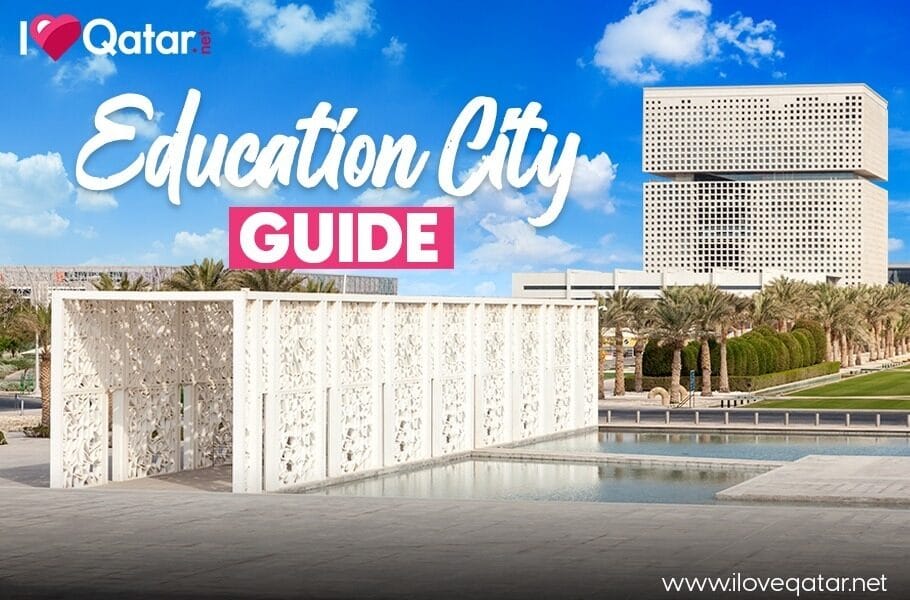
Qatar's Education City stands as a beacon of academic excellence and innovation in the heart of the Gulf. Established as a hub for international education, it houses campuses of several leading universities from around the world. In 2026, Education City continues to thrive, benefiting from strategic partnerships and cutting-edge research initiatives. The presence of globally renowned institutions such as Georgetown University, Weill Cornell Medicine, and others have firmly placed Doha on the map as an educational powerhouse.
Despite regional tensions, with warnings of potential escalation in the Israeli-Iranian conflict, Qatar's commitment to maintaining Education City as a neutral ground for global academic collaboration remains steadfast. This commitment is crucial as the city navigates challenges posed by geopolitical dynamics and environmental concerns, such as the recent tornado warnings across the Gulf.
Rankings: A Testament to Excellence
Education City's reputation is bolstered by the high rankings of its partner institutions. In 2026, several universities within the city have achieved commendable positions in global rankings, underscoring the quality of education and research produced. For instance, Weill Cornell Medicine has been recognized for its pioneering research in medicine and health sciences.
These rankings not only enhance the prestige of Education City but also attract a diverse mix of students and faculty from around the globe. As such, the city's educational landscape is enriched by a myriad of perspectives and ideas, fostering an environment conducive to innovation and critical thinking.
Research Initiatives Drive Innovation
At the core of Education City's mission is a focus on research that addresses global challenges. The city's universities have embarked on numerous research initiatives that contribute to fields ranging from medicine and engineering to social sciences and humanities. These efforts are particularly significant in light of the current geopolitical climate, where academic institutions are called upon to contribute solutions to pressing issues.
Recent developments in the region, such as Iran's threats to target universities in Israel or the U.S., highlight the importance of safeguarding academic freedom and promoting research collaboration across borders. Education City's commitment to these values ensures that it remains a pivotal player in the global academic arena.
Why Global Universities Choose Doha
The decision of prestigious universities to establish campuses in Doha is driven by several factors. Firstly, Qatar's strategic geographical location provides a unique advantage, serving as a bridge between the East and West. This positioning is particularly valuable for institutions seeking to expand their international footprint.
Moreover, Qatar's substantial investment in education, as evidenced by the establishment and growth of Education City, reflects the nation's recognition of education as a key pillar of its development strategy. The government's support for higher education initiatives, alongside its efforts to create a safe and welcoming environment for academic pursuits, makes Doha an attractive destination for global universities.
Maintaining Safety Amidst Regional Tensions
In light of the recent geopolitical tensions, including threats from Iran's IRGC and the launch of missiles by Houthis, ensuring the safety of students and staff at Education City has become a paramount concern. Qatar has proactively issued guidelines for evacuation and safety in educational institutions, demonstrating its commitment to protecting its academic community.
These measures are complemented by Qatar's broader efforts to maintain stability and security in the region, which are crucial for the continued success of Education City as a center for learning and research.
Environmental Challenges and Adaptation
Beyond geopolitical issues, Education City also faces environmental challenges, such as those highlighted by the recent tornado warnings in the Gulf. The city is adapting to these challenges by incorporating sustainable practices and resilient infrastructure to mitigate the impact of severe weather events.
- Implementation of sustainable building designs to withstand harsh weather conditions.
- Investment in renewable energy sources to reduce carbon footprint.
- Development of emergency response protocols to ensure the safety of the campus community.
These initiatives reflect Education City's commitment to not only address immediate environmental concerns but also to contribute to long-term sustainability goals.
The Future of Education City
As Qatar continues to navigate a complex regional landscape, the future of Education City looks promising. The city's ability to attract top-tier universities, coupled with its commitment to research and innovation, positions it as a leader in global education. The ongoing support from the Qatari government, alongside strategic partnerships and a focus on safety and sustainability, will ensure that Education City remains a vital hub for academic excellence in the years to come.
In conclusion, Education City's journey in 2026 is marked by resilience and adaptation in the face of challenges, underscoring its role as a pivotal player in shaping the future of education in the Middle East and beyond.
```