How QatarEnergy Became the World's Largest LNG Exporter
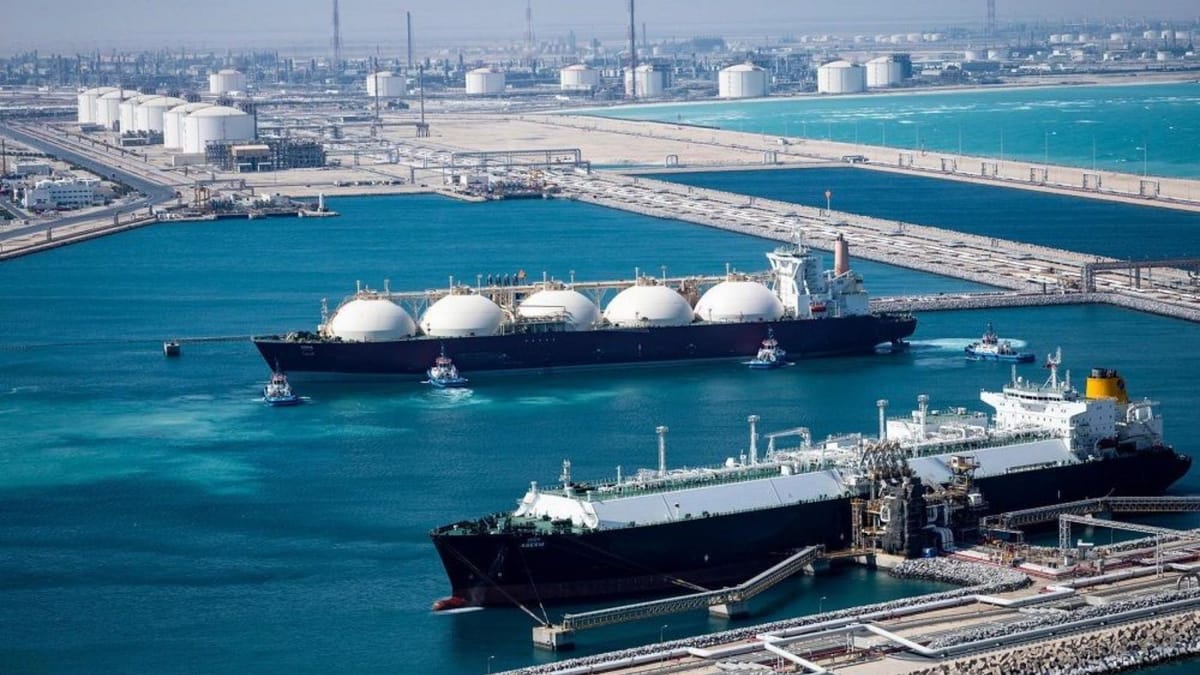
QatarEnergy and the LNG Industry
QatarEnergy, formerly known as Qatar Petroleum, is the state-owned oil and gas company responsible for the development and exploitation of Qatar's vast hydrocarbon resources. The company has played a pivotal role in transforming Qatar into a major player in the global energy market. With the discovery of the North Field in 1971, Qatar's largest non-associated gas field, the country's energy landscape underwent a significant transformation. Today, QatarEnergy is the world's largest liquefied natural gas (LNG) exporter, accounting for approximately 30% of the global LNG market share.
The LNG industry has experienced rapid growth over the past few decades, driven by increasing global demand for cleaner and more sustainable energy sources. LNG is a vital component of the global energy mix, offering a reliable and efficient way to transport natural gas over long distances. As the world transitions towards a lower-carbon economy, the demand for LNG is expected to continue growing, with QatarEnergy well-positioned to meet this demand.
History of Qatar's LNG Development
The development of Qatar's LNG industry began in the 1990s, with the establishment of the first LNG production facility, Qatargas 1, in 1997. This was followed by the launch of Qatargas 2 in 2009, which increased Qatar's LNG production capacity to 42 million tons per annum (mtpa). The subsequent development of the Ras Laffan Industrial City, a dedicated LNG production and export facility, further boosted Qatar's LNG production capacity.
Today, QatarEnergy operates a total of 14 LNG trains, with a combined production capacity of over 77 mtpa. The company's LNG production facilities are among the most efficient and reliable in the world, with a proven track record of delivering high-quality LNG to customers globally. QatarEnergy's LNG is exported to over 20 countries, including Japan, South Korea, China, and India, making it a vital component of the global energy supply chain.
Key Factors Contributing to QatarEnergy's Success
Several factors have contributed to QatarEnergy's success as the world's largest LNG exporter. These include:
- Abundant Gas Reserves: Qatar's North Field is the largest non-associated gas field in the world, with estimated reserves of over 900 trillion cubic feet.
- Strategic Location: Qatar's proximity to major LNG-consuming countries in Asia and Europe provides a significant logistical advantage, reducing transportation costs and increasing the competitiveness of Qatari LNG.
- World-Class Infrastructure: QatarEnergy's LNG production facilities are among the most modern and efficient in the world, with a strong focus on safety, reliability, and environmental sustainability.
- Long-Term Contracts: QatarEnergy has secured long-term LNG supply contracts with major buyers, providing a stable revenue stream and enabling the company to invest in new projects and expansion plans.
These factors have combined to make QatarEnergy a dominant player in the global LNG market, with a reputation for reliability, quality, and customer service.
QatarEnergy's Expansion Plans and Future Outlook
QatarEnergy is committed to expanding its LNG production capacity to meet growing global demand. The company has announced plans to increase its LNG production capacity to over 110 mtpa by 2027, with the development of new LNG projects, including the North Field Expansion (NFE) project.
The NFE project is one of the largest LNG projects in the world, with a total production capacity of 32 mtpa. The project is expected to be completed by 2027 and will further cement QatarEnergy's position as the world's largest LNG exporter. QatarEnergy is also exploring new markets and opportunities, including the development of LNG bunkering facilities and the supply of LNG to the shipping industry.
Looking ahead, QatarEnergy is well-positioned to continue playing a leading role in the global LNG market. The company's commitment to environmental sustainability, safety, and customer service will remain key drivers of its success, as it continues to meet the evolving needs of the global energy market.
Environmental Sustainability and Social Responsibility
QatarEnergy is committed to reducing its environmental footprint and promoting sustainable development. The company has implemented a range of initiatives to minimize its impact on the environment, including the use of more efficient LNG production technologies and the reduction of greenhouse gas emissions.
QatarEnergy has also launched several social responsibility initiatives, aimed at promoting education, healthcare, and community development in Qatar. The company's corporate social responsibility (CSR) program focuses on supporting local communities, promoting cultural heritage, and developing the skills and knowledge of Qatari nationals.
QatarEnergy's commitment to environmental sustainability and social responsibility reflects the company's values and its role as a responsible corporate citizen. As the company continues to grow and expand its operations, it will remain focused on minimizing its impact on the environment and promoting the well-being of local communities.
Conclusion and Future Prospects
In conclusion, QatarEnergy's success as the world's largest LNG exporter is a testament to the company's strategic vision, technical expertise, and commitment to customer service. With its abundant gas reserves, world-class infrastructure, and strategic location, QatarEnergy is well-positioned to continue playing a leading role in the global LNG market.
As the global energy landscape continues to evolve, QatarEnergy will remain at the forefront of the LNG industry, driving innovation, efficiency, and sustainability. With its expansion plans, commitment to environmental sustainability, and focus on social responsibility, QatarEnergy is poised for continued success, meeting the growing demand for clean and reliable energy and contributing to the economic growth and development of Qatar.