UAE and Saudi Arabia's Diplomatic Push: Navigating Relations with Iran
Exploring the recent diplomatic initiatives by the UAE and Saudi Arabia to stabilize ties with Iran amidst regional tensions.
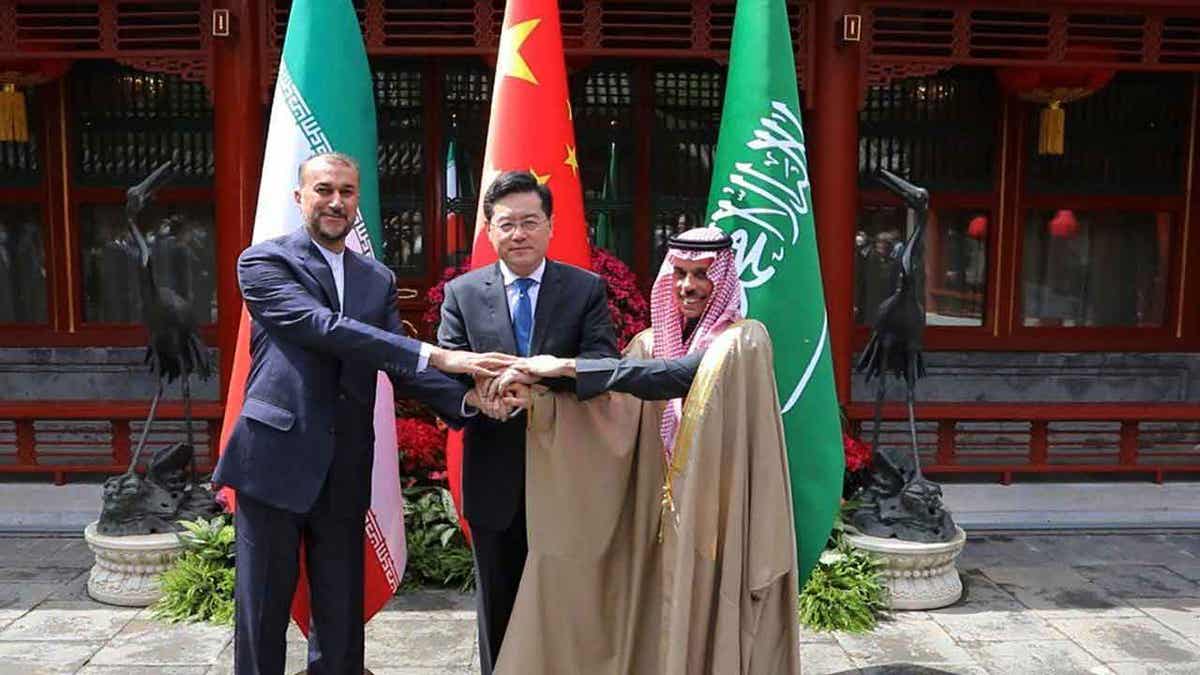
In a significant diplomatic shift, the United Arab Emirates (UAE) and Saudi Arabia have embarked on a series of high-level engagements with Iran, marking a new phase in regional diplomacy. This initiative was underscored by the landmark meeting between Saudi Crown Prince Mohammed bin Salman and Iranian President Ebrahim Raisi in August 2023, which aimed to thaw relations that have been fraught with tension for decades.
These diplomatic efforts are part of a broader strategy to enhance regional stability and security, particularly in light of the ongoing conflicts in Yemen and Syria, where Iran's influence has been a point of contention. The UAE, having restored diplomatic ties with Iran in 2022, has played a pivotal role in facilitating dialogue, hosting several rounds of talks that have focused on economic cooperation and maritime security in the Gulf.
The outcomes of these initiatives have been cautiously optimistic. The reopening of embassies and the resumption of flights between the countries signal a commitment to improving bilateral relations. However, the deep-seated historical tensions, rooted in sectarian divides and geopolitical rivalries, continue to pose challenges. The public perception in the Gulf region has been mixed; while some view these dialogues as a pragmatic approach to reducing regional tensions, others remain skeptical of Iran's intentions.
Overall, the diplomatic push by the UAE and Saudi Arabia represents a pragmatic shift towards engagement rather than confrontation. This strategy not only aims to mitigate the risks of direct conflict but also to foster economic collaboration that could benefit the broader Gulf region. As these dialogues progress, the international community watches closely, hoping for a sustainable peace that could reshape the geopolitical landscape of the Middle East.
The historical context of tensions between the UAE, Saudi Arabia, and Iran is deeply rooted in a complex interplay of sectarian divides, geopolitical rivalries, and territorial disputes. The rivalry is primarily framed by the sectarian divide between Sunni-majority Saudi Arabia and Shia-majority Iran, which has fueled regional conflicts and proxy wars. This sectarian schism has often manifested in support for opposing factions in regional conflicts, notably in Yemen and Syria, where Iran's backing of Shia groups has been countered by Saudi and UAE support for Sunni factions.
Territorial disputes have also played a significant role in shaping relations. A notable example is the dispute over the three islands of Abu Musa and the Greater and Lesser Tunbs, which Iran seized in 1971, just before the UAE's formation. This territorial contention remains a point of friction, with the UAE consistently calling for international arbitration to resolve the issue, a proposal Iran has repeatedly rejected.
Past grievances, such as Iran's alleged involvement in the 1981 coup attempt in Bahrain and its support for the Houthi rebels in Yemen, have exacerbated mistrust. These historical conflicts have influenced current diplomatic strategies, prompting the UAE and Saudi Arabia to adopt a cautious approach in their engagements with Iran. The recent diplomatic outreach is seen as a pragmatic response to these longstanding issues, aiming to contain Iran's regional influence while addressing security concerns through dialogue rather than confrontation.
By acknowledging these historical tensions, the UAE and Saudi Arabia are navigating a delicate path, balancing the need for regional stability with the imperative to protect their national interests. This historical context underscores the complexity of their diplomatic efforts, as they seek to redefine their relationship with Iran in a way that mitigates past grievances while fostering a more stable and cooperative regional environment.
The diplomatic efforts between the UAE, Saudi Arabia, and Iran are being driven by key political figures and national institutions committed to regional stability. In Saudi Arabia, Crown Prince Mohammed bin Salman has been a pivotal figure in steering the kingdom's foreign policy towards a more pragmatic engagement with Iran. His Vision 2030 initiative underscores the importance of regional stability for economic diversification and development, marking a shift from previous confrontational stances.
In the UAE, President Sheikh Mohamed bin Zayed Al Nahyan has played a crucial role in shaping the country's diplomatic outreach. Known for his strategic foresight, Sheikh Mohamed has emphasized the need for dialogue and cooperation to ensure the UAE's security and economic interests are safeguarded. The UAE's Ministry of Foreign Affairs, under the leadership of Sheikh Abdullah bin Zayed Al Nahyan, has been instrumental in facilitating diplomatic channels with Iran, reflecting a strategic pivot towards de-escalation and economic collaboration.
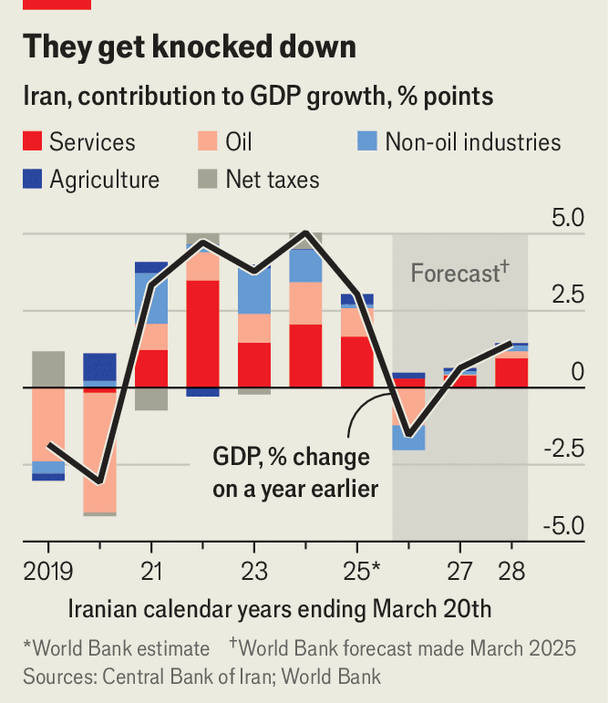
Iran's President Ebrahim Raisi has also been a significant player in these diplomatic engagements. His administration has shown a willingness to engage with Gulf neighbors, aiming to reduce regional tensions and improve Iran's economic conditions amidst international sanctions. The Iranian Foreign Ministry, led by Hossein Amir-Abdollahian, has been actively involved in these discussions, advocating for mutual respect and cooperation as cornerstones of regional stability.
The stated positions of these leaders highlight a shared recognition of the importance of regional stability. They acknowledge that sustained dialogue and diplomatic engagement are essential to addressing security concerns and fostering a peaceful environment conducive to economic growth. These efforts are further supported by national institutions that align foreign policy objectives with broader regional and international frameworks, aiming to create a more stable and prosperous Middle East.
The diplomatic landscape between the UAE, Saudi Arabia, and Iran is significantly shaped by international legal frameworks and United Nations resolutions aimed at maintaining regional peace and security. A key document in this context is UN Security Council Resolution 2231, which endorsed the Joint Comprehensive Plan of Action (JCPOA) on July 20, 2015. This resolution called for the lifting of nuclear-related sanctions on Iran in exchange for compliance with nuclear non-proliferation measures, indirectly influencing the diplomatic strategies of Gulf states by reducing immediate nuclear threats and opening avenues for dialogue.
International law plays a crucial role in guiding diplomatic negotiations, providing a structured framework for conflict resolution and cooperation. The principles of sovereignty, non-interference, and peaceful dispute resolution, enshrined in the UN Charter, serve as foundational guidelines for the UAE and Saudi Arabia as they navigate their complex relationship with Iran. These principles are particularly relevant in addressing issues such as Iran's support for non-state actors in the region, which has been a point of contention in past conflicts.
International bodies, including the United Nations and the Gulf Cooperation Council (GCC), are pivotal in mediating tensions and facilitating dialogue. The UN, through its various agencies and special envoys, provides platforms for negotiation and conflict resolution, while the GCC offers a regional mechanism for collective security and political cooperation. These organizations help to align the diplomatic efforts of the UAE and Saudi Arabia with broader international objectives, promoting stability and reducing the risk of escalation.
The involvement of these international entities underscores the importance of adhering to established legal norms and frameworks, which not only guide bilateral relations but also enhance the legitimacy and effectiveness of diplomatic initiatives aimed at fostering a more peaceful and cooperative Gulf region.
The diplomatic efforts by the UAE and Saudi Arabia to improve relations with Iran carry significant human rights implications, particularly for civilian populations affected by ongoing regional conflicts. These initiatives aim to reduce tensions and foster stability, which could alleviate the humanitarian crises exacerbated by prolonged hostilities. In Yemen, for example, where Saudi Arabia has been a key actor in the conflict, improved relations with Iran could lead to a de-escalation of violence, potentially easing the dire humanitarian situation that has left millions in need of aid.
However, the complexity of these diplomatic engagements also raises concerns about the protection of human rights within the involved nations and across the region. The involvement of Iran in supporting non-state actors, such as the Houthi rebels in Yemen, has been a contentious issue, often resulting in civilian casualties and displacement. Diplomatic progress could mitigate these impacts by encouraging dialogue and reducing arms flows, yet the path to such outcomes remains fraught with challenges.
Non-governmental organizations (NGOs) play a crucial role in monitoring the human rights situation amid these diplomatic efforts. Organizations such as Human Rights Watch and Amnesty International continue to document violations and advocate for accountability and transparency in conflict zones. They emphasize the need for diplomatic solutions that prioritize the protection of civilians and uphold international humanitarian law. These NGOs also call for increased humanitarian access and support for displaced populations, urging the international community to hold all parties accountable for their actions.
As the UAE and Saudi Arabia navigate their diplomatic relationships with Iran, the integration of human rights considerations into their strategies will be essential. Ensuring that peace efforts translate into tangible improvements for affected populations will be a critical measure of success for these diplomatic initiatives.
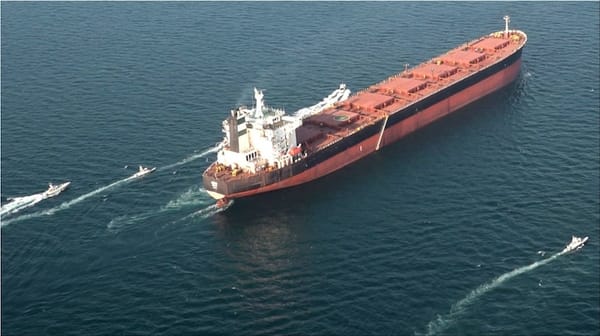
The economic and strategic interests driving the UAE and Saudi Arabia to stabilize relations with Iran are multifaceted, reflecting both immediate and long-term objectives. Economically, the Gulf states are keen to ensure the security of vital shipping lanes, particularly the Strait of Hormuz, through which approximately 20% of the world's petroleum passes. Improved relations with Iran could reduce the risk of disruptions in this critical maritime corridor, thereby safeguarding the energy exports that are vital to their economies.
Moreover, both nations are pursuing ambitious economic diversification plans—Saudi Arabia's Vision 2030 and the UAE's Centennial 2071—which require a stable regional environment to attract foreign investment and facilitate trade. Easing tensions with Iran could enhance investor confidence and open new markets, fostering economic growth and development. The potential for increased economic cooperation, such as joint ventures in the energy sector or infrastructure projects, could further bolster economic ties and mutual prosperity.
Strategically, fostering better relations with Iran allows the UAE and Saudi Arabia to position themselves as pivotal players in regional diplomacy, enhancing their influence within the Gulf Cooperation Council (GCC) and beyond. By engaging with Iran, they can potentially mitigate Tehran's support for proxy groups that destabilize the region, thereby reducing security threats and promoting regional stability. This strategic recalibration also aligns with the broader geopolitical shifts, as global powers like the United States recalibrate their Middle East policies, prompting regional actors to reassess their alliances and strategies.
In the context of the Gulf/Qatar region's economy, improved UAE-Iran and Saudi-Iran relations could lead to a more integrated regional market, enhancing economic resilience and cooperation. This could also pave the way for collaborative efforts in addressing shared challenges, such as environmental sustainability and technological innovation, further solidifying the Gulf's role as a dynamic economic hub.
The diplomatic outreach by the UAE and Saudi Arabia towards Iran has elicited varied responses from regional and global actors. Within the Gulf Cooperation Council (GCC), member states have shown cautious optimism. Countries like Oman and Kuwait, which have historically maintained more neutral stances, view this as an opportunity to enhance regional stability and economic cooperation. However, Bahrain, which has had tense relations with Iran, remains skeptical, concerned about Tehran's influence and intentions in the region.
International powers, particularly the United States and European Union, have generally supported these diplomatic efforts, seeing them as a means to reduce tensions in a strategically critical region. The U.S., while maintaining its pressure on Iran regarding nuclear and missile programs, acknowledges the potential benefits of regional dialogue in reducing conflict risks. The European Union, which has consistently advocated for diplomatic solutions, views this engagement as a positive step towards broader regional peace and security.
The evolving dynamics could significantly impact regional alliances and security frameworks. A successful rapprochement might lead to a recalibration of alliances, with the UAE and Saudi Arabia potentially reducing their reliance on Western military support in favor of regional security pacts. This could also influence the balance of power within the GCC, as member states reassess their strategic priorities in light of improved relations with Iran.
Looking ahead, the next few months will be crucial in determining the trajectory of these diplomatic efforts. Key developments to watch include potential high-level meetings, shifts in military postures, and any formal agreements on economic or security cooperation. The success of these initiatives will hinge on the ability of the UAE and Saudi Arabia to navigate complex regional dynamics while ensuring that their diplomatic overtures lead to tangible security and economic benefits. This strategic engagement could redefine the Middle East's geopolitical landscape, offering a new paradigm for conflict resolution and regional cooperation.