UAE and Saudi Arabia's Diplomatic Push for Stability in the Horn of Africa
Exploring the diplomatic initiatives of the UAE and Saudi Arabia to stabilize Somalia and Sudan amid ongoing crises.
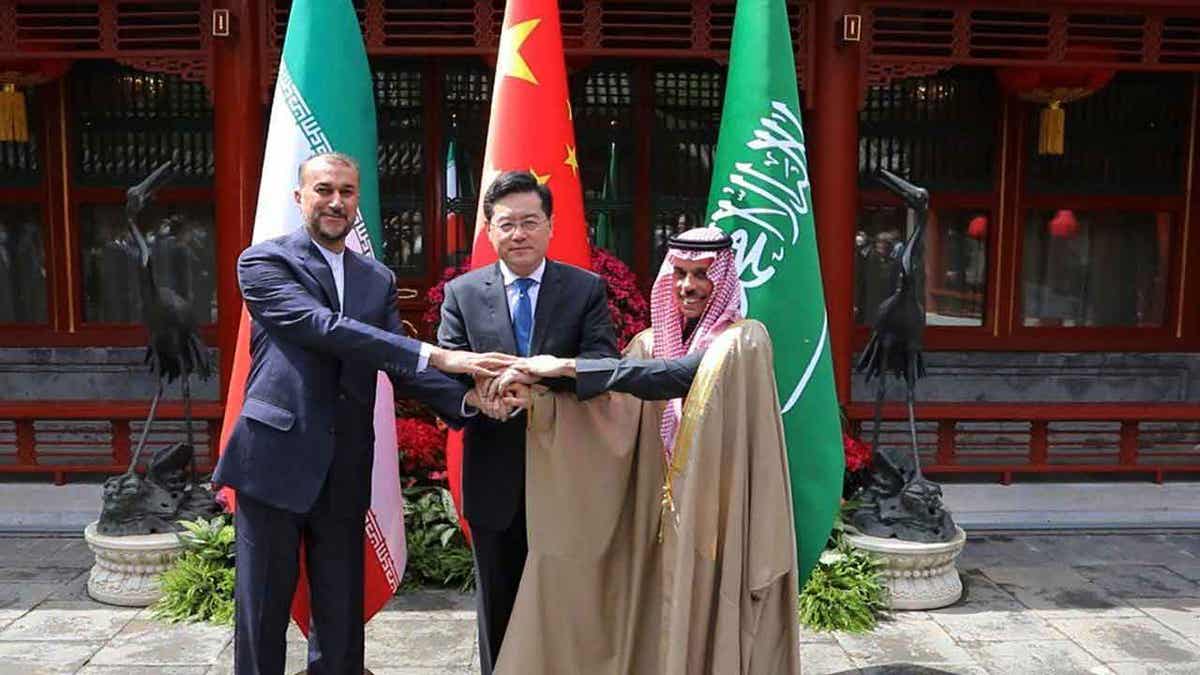
In a significant diplomatic maneuver, the United Arab Emirates (UAE) and Saudi Arabia have intensified their efforts to stabilize the Horn of Africa, focusing particularly on the crises in Somalia and Sudan. This diplomatic push is underscored by their recent involvement in mediating peace talks and providing humanitarian assistance, marking a notable shift in their regional engagement strategies.
In Somalia, the UAE has played a pivotal role in supporting the federal government's efforts to combat Al-Shabaab insurgents. In July 2023, the UAE pledged $10 million in aid to bolster Somalia's security forces and infrastructure, a move aimed at strengthening the government's capacity to maintain stability. This initiative aligns with the UAE's broader strategy to counter extremism and promote economic development in the region.
Meanwhile, Saudi Arabia has been actively involved in mediating the conflict in Sudan. Following the outbreak of violence in April 2023, Saudi Arabia hosted peace talks in Jeddah, bringing together representatives from the Sudanese Armed Forces and the Rapid Support Forces. These talks, supported by the United Nations and the African Union, aimed to negotiate a ceasefire and facilitate humanitarian access to affected regions. The Saudi-led mediation efforts reflect the kingdom's commitment to fostering peace and stability in its neighboring regions.
Both the UAE and Saudi Arabia have collaborated with international organizations, such as the United Nations and the African Union, to coordinate their diplomatic initiatives. Their involvement is not only a testament to their growing influence in the Horn of Africa but also highlights their strategic interests in ensuring the security of vital trade routes and access to resources. As these Gulf states continue to engage with local governments and international stakeholders, their diplomatic efforts are poised to play a crucial role in shaping the future stability of the region.
The historical context of instability in Somalia and Sudan is deeply rooted in both internal and external factors that have shaped the political landscapes of these nations. In Somalia, the collapse of the Siad Barre regime in 1991 led to decades of civil war and the emergence of militant groups like Al-Shabaab. The absence of a strong central government allowed these groups to gain significant influence, perpetuating violence and undermining efforts to establish lasting peace. The political dynamics in Somalia have been marked by clan rivalries and the struggle for power among various factions, complicating the path to stability.
In Sudan, the situation is similarly complex. The country has been plagued by internal conflicts, including the long-standing civil wars between the north and south, which culminated in the secession of South Sudan in 2011. The Darfur conflict, which began in 2003, further exacerbated the humanitarian crisis, drawing international condemnation and intervention. The political landscape in Sudan has been characterized by military coups and authoritarian rule, with the recent ousting of President Omar al-Bashir in 2019 marking a significant turning point. However, the transition to civilian rule has been fraught with challenges, including the power struggle between the Sudanese Armed Forces and the Rapid Support Forces.
The roles of the UAE and Saudi Arabia in these regions have evolved significantly over time. Historically, both countries have maintained a cautious approach, focusing primarily on economic investments and humanitarian aid. However, recent years have seen a shift towards more active diplomatic engagement, driven by strategic interests in regional security and economic stability. The UAE and Saudi Arabia have increasingly positioned themselves as key mediators in the Horn of Africa, leveraging their economic power and political influence to foster peace and stability. This evolving role underscores their commitment to addressing the root causes of instability and supporting sustainable development in the region.
The crises in the Horn of Africa involve a complex web of local governments, rebel groups, and international stakeholders, each with distinct positions regarding the involvement of the UAE and Saudi Arabia. In Somalia, the Federal Government, led by President Hassan Sheikh Mohamud, is engaged in ongoing efforts to combat the Al-Shabaab insurgency. Al-Shabaab, an extremist group with ties to Al-Qaeda, opposes foreign intervention and views the presence of external actors, including the UAE and Saudi Arabia, with suspicion. Nevertheless, the Somali government has welcomed the diplomatic and financial support from these Gulf states, recognizing their potential to contribute to national stability and development.
In Sudan, the political landscape is dominated by the transitional government formed after the ousting of President Omar al-Bashir. This government, a coalition of civilian and military leaders, has been navigating a delicate transition towards democracy. Key players include the Sudanese Armed Forces and the Rapid Support Forces, both of which have been involved in power struggles that threaten the country's stability. While some factions within Sudan view the UAE and Saudi Arabia as valuable allies capable of mediating conflicts and providing economic assistance, others remain wary of their influence, fearing potential interference in domestic affairs.
International stakeholders, such as the United Nations, the African Union, and Western governments, play a significant role in shaping the dynamics of the Horn of Africa. These entities generally support the involvement of the UAE and Saudi Arabia, acknowledging their capacity to leverage economic resources and political clout to facilitate peace processes. However, there is also a cautious approach to ensure that the interests of the local populations are prioritized and that any external intervention aligns with international legal frameworks and human rights standards.
The diplomatic actions of the UAE and Saudi Arabia in the Horn of Africa are governed by a complex array of international legal frameworks, including United Nations resolutions and customary international law. UN Security Council resolutions, such as Resolution 733 (1992) concerning Somalia, impose arms embargoes and call for peace and reconciliation efforts. Similarly, Resolution 1591 (2005) addresses the situation in Sudan, particularly focusing on the Darfur conflict, by implementing sanctions and urging all parties to engage in peace processes.
These legal frameworks shape the diplomatic strategies of the UAE and Saudi Arabia by delineating the boundaries within which they can operate. Both countries must navigate these resolutions to ensure their actions align with international expectations and legal obligations. This involves not only adhering to arms embargoes and sanctions but also actively participating in peacebuilding initiatives that are recognized and supported by the international community.
Challenges arise from the inherent complexities of international law in conflict zones. The enforcement of UN resolutions can be inconsistent, and the legal frameworks often require cooperation from local governments and other international actors, which is not always forthcoming. Additionally, the principle of state sovereignty can limit the extent of external intervention, requiring the UAE and Saudi Arabia to balance their diplomatic efforts with respect for the autonomy of Somalia and Sudan.
Moreover, the involvement of the UAE and Saudi Arabia must be carefully calibrated to avoid accusations of bias or interference, particularly in politically sensitive environments. This necessitates a nuanced approach that considers both the legal constraints and the geopolitical realities of the region, ensuring that their diplomatic engagements contribute positively to regional stability while adhering to international norms and standards.
The ongoing conflicts in Somalia and Sudan have severe human rights implications, with civilians bearing the brunt of the violence. In Somalia, decades of instability have resulted in widespread displacement and a humanitarian crisis that affects millions. According to the United Nations Office for the Coordination of Humanitarian Affairs (OCHA), as of 2023, over 3.8 million people are internally displaced, and nearly 8 million are in need of humanitarian assistance. The persistent threat of violence from militant groups like Al-Shabaab exacerbates the situation, making access to essential services and humanitarian aid precarious.
In Sudan, the power struggle between the Sudanese Armed Forces and the Rapid Support Forces has led to significant civilian casualties and displacement. The conflict in Darfur, in particular, remains a critical concern, with reports of ethnic violence and human rights abuses continuing to emerge. Human Rights Watch and Amnesty International have documented numerous violations, including unlawful killings, sexual violence, and the recruitment of child soldiers. The humanitarian situation is dire, with over 2.5 million people displaced and more than 14 million in need of urgent aid, according to the United Nations High Commissioner for Refugees (UNHCR).
Non-governmental organizations (NGOs) play a crucial role in highlighting these human rights violations and advocating for the protection of civilians. They provide vital humanitarian aid, including food, medical care, and shelter, often under challenging and dangerous conditions. However, access to affected populations is frequently hindered by ongoing hostilities and bureaucratic obstacles imposed by local authorities. The international community, including the UAE and Saudi Arabia, faces the challenge of ensuring that humanitarian aid reaches those in need while supporting efforts to address the root causes of these conflicts. Effective coordination with NGOs and adherence to humanitarian principles are essential to mitigate the human suffering in these regions.
The Horn of Africa holds significant economic and strategic importance for both the UAE and Saudi Arabia, driven by its critical location along major global trade routes. The Bab el-Mandeb Strait, which connects the Red Sea to the Gulf of Aden, is a vital maritime chokepoint through which a substantial portion of the world's oil shipments and commercial goods transit. Ensuring the security and stability of this passage is paramount for the economic interests of both Gulf nations, as disruptions could have far-reaching implications for global energy markets and trade flows.
Beyond safeguarding trade routes, the UAE and Saudi Arabia are also motivated by the potential for economic partnerships and investments in the Horn of Africa. The region is rich in natural resources, including oil, gas, and minerals, which present lucrative opportunities for investment and development. Both countries have demonstrated a keen interest in expanding their economic footprint, with the UAE, in particular, investing in port infrastructure and logistics to enhance trade connectivity. For instance, the UAE's DP World has been involved in port development projects in Somaliland, underscoring its strategic commitment to the region.
Long-term strategic goals for the UAE and Saudi Arabia include fostering political stability and economic development in the Horn of Africa, which would create a more conducive environment for trade and investment. By promoting stability, these Gulf states aim to mitigate the risks of conflict spillover and ensure a stable supply chain for their economic interests. Additionally, their involvement serves to counterbalance the influence of other regional powers, such as Iran and Turkey, thereby reinforcing their geopolitical standing. Ultimately, the UAE and Saudi Arabia's engagement in the Horn of Africa reflects a calculated effort to secure their economic and strategic interests while contributing to regional stability.
The diplomatic efforts of the UAE and Saudi Arabia in the Horn of Africa have elicited a range of responses from regional and international actors. Neighboring countries such as Ethiopia and Kenya have generally welcomed these initiatives, recognizing the potential for enhanced regional stability and economic cooperation. The Intergovernmental Authority on Development (IGAD), a regional organization, has expressed cautious optimism, emphasizing the need for inclusive dialogue that respects the sovereignty of local governments.
On the international stage, the actions of the UAE and Saudi Arabia have been met with a mix of support and skepticism. Western powers, including the United States and the European Union, have acknowledged the strategic importance of Gulf involvement in stabilizing the region but have also stressed the importance of adhering to international legal frameworks and human rights standards. The United Nations has called for coordinated efforts to ensure that humanitarian aid reaches those most in need, underscoring the importance of collaboration with NGOs and local actors.
The implications for future regional stability and cooperation are significant. If successful, the UAE and Saudi Arabia's diplomatic initiatives could pave the way for more robust economic ties and political alliances in the Horn of Africa, potentially reducing the influence of rival powers and fostering a more stable geopolitical environment. However, the success of these efforts hinges on their ability to navigate complex local dynamics and address the root causes of instability, including poverty, governance issues, and ethnic tensions.
Looking ahead, key developments to monitor include the progress of peace negotiations in Somalia and Sudan, the implementation of economic projects, and the response of other regional powers such as Iran and Turkey. The next few years will be critical in determining whether the UAE and Saudi Arabia can achieve their strategic objectives while contributing to lasting peace and prosperity in the Horn of Africa.