UAE and Saudi Arabia's Diplomatic Push: A New Era with Iran
Exploring the recent diplomatic initiatives by the UAE and Saudi Arabia to stabilize relations with Iran amidst historical tensions.
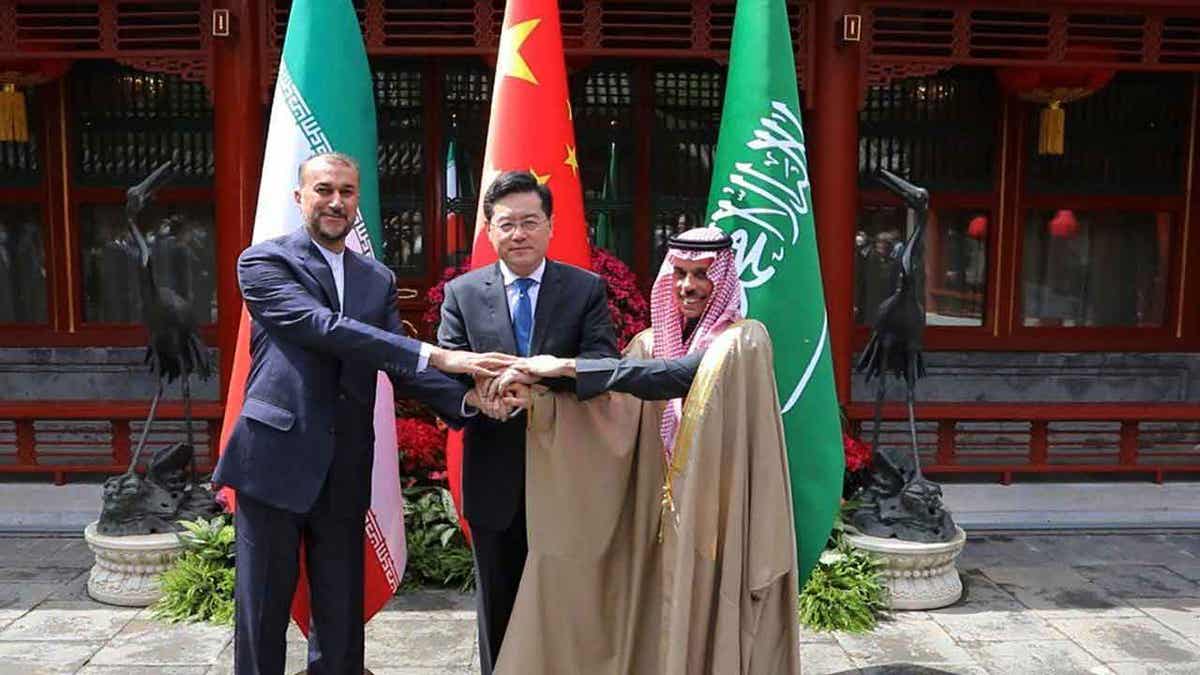
In a significant diplomatic shift, the United Arab Emirates (UAE) and Saudi Arabia have embarked on a series of high-level engagements with Iran, signaling a potential thaw in relations that have been fraught with tension for decades. A notable development occurred in March 2023, when Saudi Arabia and Iran agreed to restore diplomatic ties following a landmark agreement brokered by China. This agreement culminated in the reopening of embassies in both countries, marking a pivotal step towards regional rapprochement.
The UAE has also taken concrete steps to mend its ties with Iran. In August 2022, the UAE reinstated its ambassador to Tehran after a six-year hiatus, a move that underscored its commitment to diplomatic engagement. This was followed by a visit from UAE National Security Adviser Sheikh Tahnoon bin Zayed Al Nahyan to Tehran in December 2022, where he met with Iranian President Ebrahim Raisi to discuss bilateral relations and regional security issues.
These diplomatic initiatives are not just symbolic; they have tangible implications for regional stability. The Gulf region, long a theater of geopolitical rivalry, stands to benefit from reduced tensions between these key players. Improved relations could lead to enhanced cooperation in areas such as trade, energy, and security, potentially transforming the strategic landscape of the Middle East.
The international community has largely welcomed these efforts, viewing them as a positive step towards de-escalating regional conflicts. The United Nations has expressed support for dialogue and reconciliation, emphasizing the importance of peaceful coexistence in the region. As these diplomatic efforts continue, the Gulf states and Iran may find new avenues for collaboration, fostering a more stable and prosperous future for the region.
The historical context of UAE and Saudi-Iran relations is marked by a complex interplay of rivalry, conflict, and cautious diplomacy. The roots of these tensions can be traced back to the 1979 Iranian Revolution, which dramatically altered the geopolitical dynamics of the Gulf region. Iran's shift to an Islamic Republic under Ayatollah Khomeini introduced a new ideological dimension to its foreign policy, one that often clashed with the monarchies of the UAE and Saudi Arabia.
Throughout the 1980s, the Iran-Iraq War further strained relations, as Saudi Arabia and other Gulf states supported Iraq in an effort to counterbalance Iranian influence. The end of the war in 1988 did little to ease tensions, as disputes over territorial waters and the ideological export of the Iranian Revolution continued to cause friction. The 1990s saw intermittent attempts at rapprochement, particularly under Iranian President Mohammad Khatami, whose reformist agenda included outreach to Gulf neighbors. However, these efforts were often undermined by regional conflicts and mutual suspicions.
The 2000s and 2010s were characterized by heightened tensions, particularly following the 2011 Arab Spring and the subsequent rise of Iranian influence in countries like Syria, Iraq, and Yemen. Saudi Arabia viewed Iran's regional ambitions as a direct threat, leading to a severance of diplomatic ties in 2016 after the execution of Shia cleric Nimr al-Nimr and the storming of the Saudi embassy in Tehran.
Despite these challenges, there have been periodic efforts to engage diplomatically. The UAE, for instance, has maintained a more pragmatic approach, balancing its economic interests with security concerns. The current diplomatic overtures, including the recent restoration of ties, reflect a recognition by both the UAE and Saudi Arabia of the need for a more stable and cooperative regional environment, acknowledging the changing geopolitical landscape and the potential benefits of reduced hostilities.
The diplomatic efforts between the UAE, Saudi Arabia, and Iran are being shaped by a cadre of influential political figures and institutions committed to redefining regional dynamics. In Saudi Arabia, Crown Prince Mohammed bin Salman has been a pivotal figure in steering the kingdom towards a more pragmatic foreign policy. His Vision 2030 initiative, aimed at diversifying the Saudi economy and reducing its dependency on oil, necessitates a stable regional environment, which has influenced his approach to Iran.
In the UAE, Sheikh Mohammed bin Zayed Al Nahyan, the President, has played a crucial role in advancing diplomatic engagement with Iran. Known for his strategic acumen, Sheikh Mohammed has consistently advocated for dialogue and economic cooperation as tools for regional stability. The UAE's Ministry of Foreign Affairs and International Cooperation, under the leadership of Sheikh Abdullah bin Zayed Al Nahyan, has been instrumental in facilitating these diplomatic overtures, emphasizing the importance of economic ties and security collaboration.
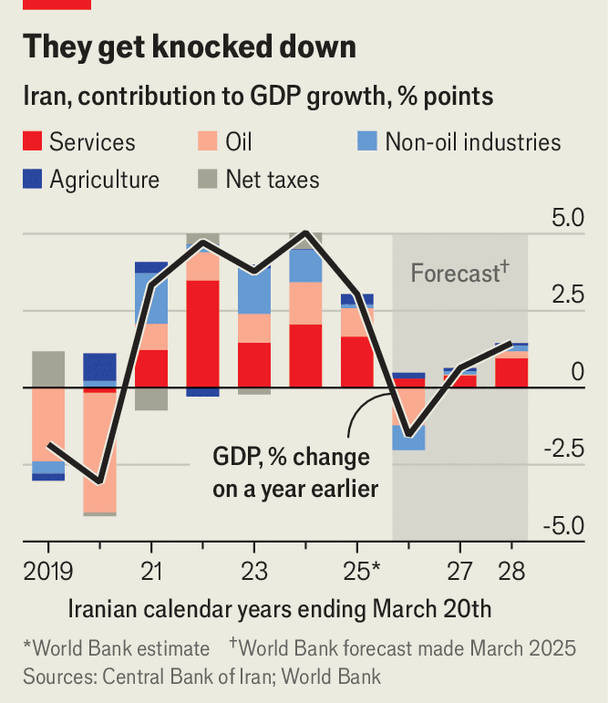
Iran's diplomatic engagement is spearheaded by President Ebrahim Raisi and Foreign Minister Hossein Amir-Abdollahian. Raisi's administration has shown a willingness to engage with Gulf neighbors, recognizing the economic and strategic benefits of improved relations. The Iranian Foreign Ministry has highlighted the potential for cooperation in areas such as energy and trade, aligning with Iran's broader strategy to alleviate economic pressures exacerbated by international sanctions.
These leaders and their respective institutions are navigating a complex geopolitical landscape, balancing national interests with the broader goal of regional stability. Their stated positions reflect a cautious optimism towards reconciliation, underpinned by a recognition of the mutual benefits that a thaw in relations could bring. As these diplomatic efforts unfold, the roles of these key figures and institutions will be critical in shaping the future trajectory of Gulf-Iran relations.
The diplomatic relations between the UAE, Saudi Arabia, and Iran are underpinned by a complex web of international agreements and legal frameworks that guide their interactions. One of the key legal instruments is the United Nations Charter, which emphasizes the principles of sovereign equality and the peaceful resolution of disputes. This foundational document provides a basis for diplomatic engagement and conflict resolution among member states, including the UAE, Saudi Arabia, and Iran.
Specific UN resolutions have also played a significant role in shaping the legal landscape of these relations. For instance, UN Security Council Resolution 2231, which endorsed the Joint Comprehensive Plan of Action (JCPOA) in 2015, has implications for Iran's nuclear program and its regional interactions. Although the JCPOA primarily addresses nuclear issues, its broader geopolitical impact influences how Gulf states, particularly Saudi Arabia and the UAE, approach their diplomatic strategies with Iran.
Legal challenges in these diplomatic negotiations often revolve around issues of sovereignty, territorial integrity, and non-interference in internal affairs. The Gulf Cooperation Council (GCC), of which both the UAE and Saudi Arabia are members, provides a regional framework for addressing such issues, promoting collective security and cooperation among Gulf states. The GCC's legal mechanisms facilitate dialogue and conflict resolution, although they are sometimes tested by the divergent interests of its member states.
Furthermore, bilateral agreements between these countries, often focusing on trade and security cooperation, are crucial in defining the parameters of their interactions. These agreements are designed to foster mutual benefits while navigating the legal complexities inherent in regional diplomacy. As the UAE and Saudi Arabia continue their diplomatic push with Iran, these legal frameworks will be instrumental in guiding negotiations and ensuring that any agreements reached are sustainable and in compliance with international law.
The diplomatic efforts between the UAE, Saudi Arabia, and Iran carry significant human rights implications, particularly for civilian populations affected by longstanding regional tensions. Historically, conflicts and proxy wars in the Middle East, such as those in Yemen and Syria, have resulted in severe humanitarian crises, with millions displaced and thousands of civilian casualties. The ongoing hostilities have exacerbated human rights violations, including restrictions on freedom of movement, access to essential services, and the right to life and security.
Non-governmental organizations (NGOs) and international bodies have consistently raised concerns about the human rights situations in these conflict zones. Reports from organizations like Human Rights Watch and Amnesty International highlight the dire conditions faced by civilians, including the use of indiscriminate weapons, blockades that limit access to humanitarian aid, and the targeting of civilian infrastructure. The diplomatic thaw between these Gulf states and Iran offers a potential pathway to alleviate some of these human rights challenges by reducing regional tensions and fostering dialogue aimed at conflict resolution.
Improved diplomatic relations could lead to enhanced cooperation in addressing humanitarian needs and ensuring the protection of civilians. By prioritizing diplomatic channels, there is potential for establishing ceasefires, facilitating humanitarian access, and promoting peacebuilding initiatives. These efforts could result in better human rights outcomes, as reduced hostilities would allow for the rebuilding of communities and the restoration of basic rights and services. As the UAE and Saudi Arabia continue their diplomatic engagement with Iran, the international community will be closely monitoring these efforts, hoping for tangible improvements in the human rights landscape across the region.
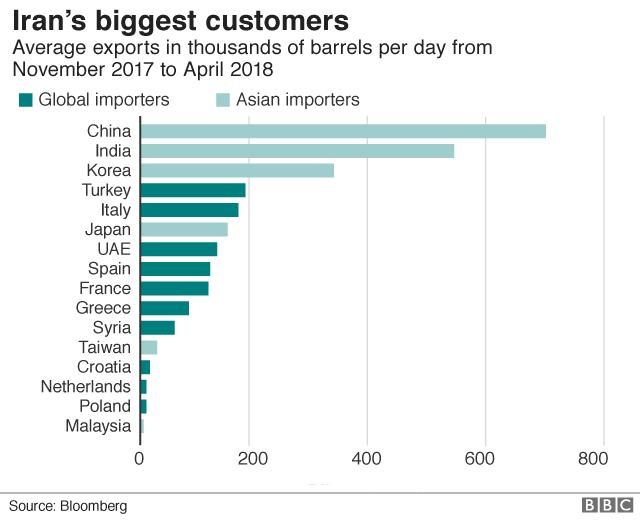
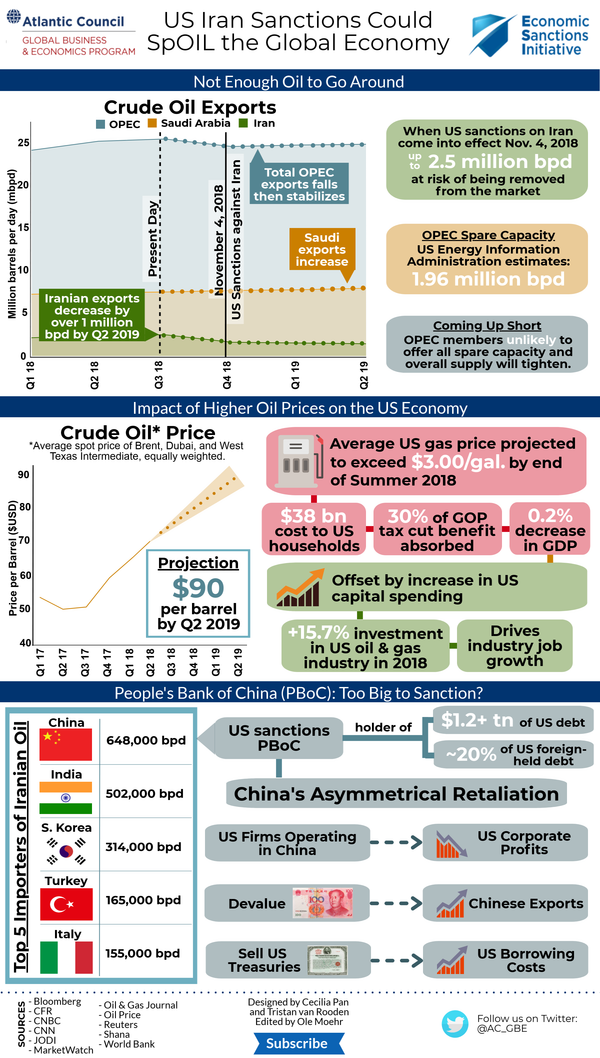
The evolving diplomatic relations between the UAE, Saudi Arabia, and Iran have the potential to significantly reshape the economic and strategic landscape of the Gulf region. Improved relations could lead to an increase in trade and economic cooperation, unlocking new opportunities for investment and collaborative projects. Historically, tensions between these nations have hindered economic integration, but a thaw in relations may pave the way for enhanced economic ties. The Gulf region, rich in oil and natural gas resources, stands to benefit from reduced geopolitical tensions, which could stabilize energy markets and attract foreign investment.
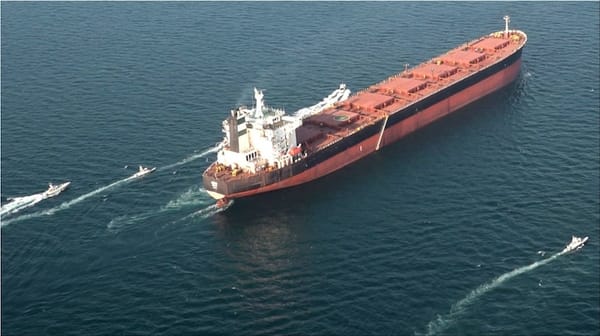
Strategically, the easing of hostilities could enhance regional security, which is crucial for the uninterrupted flow of energy supplies through critical chokepoints such as the Strait of Hormuz. This waterway is vital for global energy markets, with approximately 20% of the world's petroleum passing through it. Improved relations may also lead to collaborative security arrangements, reducing the risk of conflict and ensuring the safety of maritime routes. Such developments would not only benefit the Gulf states but also have positive implications for global energy security.
Furthermore, the potential for collaborative projects and investments is substantial. Joint ventures in sectors such as energy, infrastructure, and technology could emerge, fostering economic diversification and innovation. The UAE and Saudi Arabia, with their ambitious economic visions—Vision 2030 for Saudi Arabia and the UAE Centennial 2071—could find common ground with Iran in pursuing sustainable development goals. By leveraging their complementary strengths, these nations could drive regional growth and stability, creating a more interconnected and prosperous Gulf region.
The diplomatic overtures by the UAE and Saudi Arabia towards Iran have elicited a spectrum of reactions from regional and international actors. Neighboring countries, particularly those in the Gulf Cooperation Council (GCC), have generally welcomed these initiatives. Nations such as Oman and Kuwait, which have historically maintained more neutral stances in regional conflicts, view the thaw in relations as a positive development that could enhance regional stability and security. These countries have often acted as intermediaries in regional disputes and see the potential for reduced tensions as beneficial to their own national security and economic interests.
On the international stage, the diplomatic efforts have been met with cautious optimism. The United States, a key ally of both the UAE and Saudi Arabia, has expressed support for any initiatives that could lead to a de-escalation of tensions in the region. However, Washington remains vigilant about Iran's regional activities and nuclear ambitions, emphasizing the need for continued pressure and oversight. The European Union has also welcomed the rapprochement, seeing it as an opportunity to promote dialogue and cooperation on broader issues such as nuclear non-proliferation and regional security.
Geopolitically, these diplomatic moves could signal a shift in the balance of power within the Middle East. By engaging with Iran, the UAE and Saudi Arabia are potentially altering traditional alliances and rivalries, which could lead to new strategic alignments. This evolving landscape may influence the policies of other regional powers, such as Turkey and Israel, who have vested interests in the region's stability and security dynamics. As these diplomatic efforts progress, the international community will be closely monitoring the implications for regional power structures and the potential for broader cooperation on security and economic issues.
Non-state actors, including NGOs and think tanks, play a crucial role in shaping public perception and discourse surrounding the evolving relations between the UAE, Saudi Arabia, and Iran. These organizations often provide independent analysis and reports that influence both public opinion and policy decisions. For instance, think tanks such as the International Crisis Group and the Carnegie Middle East Center have published findings that highlight the potential benefits of diplomatic engagement, while also cautioning about the complexities involved. Their research often emphasizes the importance of addressing underlying issues such as sectarianism and regional power imbalances to ensure lasting peace.
NGOs, particularly those focused on human rights, have raised concerns about the implications of these diplomatic efforts on civilian populations. Reports from organizations like Human Rights Watch and Amnesty International often stress the need for these diplomatic engagements to include commitments to improving human rights conditions across the region. By bringing these issues to the forefront, civil society actors can influence the diplomatic discourse, ensuring that human rights considerations are not sidelined in the pursuit of geopolitical and economic objectives.
Looking ahead, the trajectory of UAE and Saudi Arabia's diplomatic relations with Iran will likely depend on several key factors. The implementation of any agreements reached, the response of other regional powers, and the internal political dynamics within each country will all play significant roles. Observers should watch for concrete developments such as high-level summits, joint economic projects, or changes in military postures. The next few years could see either a deepening of cooperation or a reversion to previous hostilities, depending on how these factors unfold. Ultimately, the success of these diplomatic efforts will hinge on the ability of all parties to address both strategic and humanitarian concerns, paving the way for a more stable and prosperous Gulf region.