Saudi-Iran Diplomatic Talks: A Path to Regional Stability?
Exploring the recent Saudi-Iran talks, their historical context, and implications for the Gulf region.
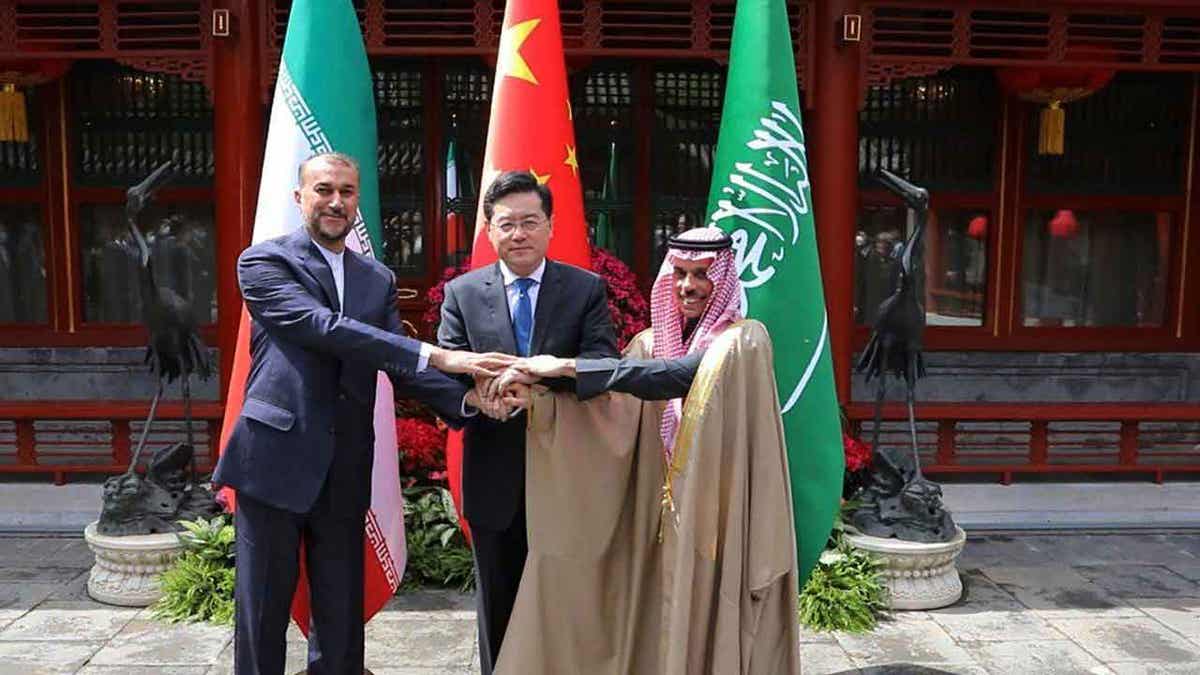
The recent diplomatic talks between Saudi Arabia and Iran mark a significant shift in Middle Eastern geopolitics, initiated by a series of strategic engagements beginning in early 2023. This dialogue was catalyzed by the re-establishment of diplomatic relations, formalized in March 2023, following years of severed ties since the 2016 execution of Shiite cleric Nimr al-Nimr by Saudi Arabia and the subsequent attack on the Saudi embassy in Tehran.
The thaw in relations was precipitated by a complex interplay of regional conflicts and shifting alliances. The ongoing war in Yemen, where Saudi Arabia and Iran have backed opposing sides, has been a critical factor. The conflict has resulted in a humanitarian crisis, with the United Nations estimating over 233,000 deaths by the end of 2020, including those from indirect causes such as lack of food and healthcare. The desire to de-escalate this proxy war has been a driving force behind the renewed diplomatic efforts.
External pressures have also played a crucial role in facilitating dialogue. The United States, under President Joe Biden's administration, has shifted its Middle East policy, emphasizing diplomacy and reducing direct military involvement. This change has encouraged regional powers to pursue their own diplomatic solutions. Additionally, China has emerged as a mediator, hosting talks in Beijing that led to the March 2023 agreement, highlighting its growing influence in the region.
These diplomatic engagements are further influenced by the broader context of regional alliances. The normalization of relations between Israel and several Arab states under the Abraham Accords has altered the strategic landscape, prompting both Saudi Arabia and Iran to reassess their positions. The talks reflect a pragmatic approach to addressing mutual concerns, including economic cooperation and security issues, amidst a backdrop of evolving geopolitical dynamics.
The historical tensions between Saudi Arabia and Iran are deeply rooted in both geopolitical and sectarian divides, which have significantly influenced their diplomatic relations. The rivalry between these two regional powers can be traced back to the 1979 Iranian Revolution, which saw the establishment of an Islamic Republic in Iran. This event marked a turning point, as Iran sought to export its revolutionary ideology across the region, challenging the traditional monarchies, including Saudi Arabia.
The Iran-Iraq War from 1980 to 1988 further strained relations, with Saudi Arabia supporting Iraq financially and politically. This conflict underscored the sectarian divide, as Saudi Arabia, a Sunni-majority nation, viewed the rise of Shia power in Iran with suspicion. The rivalry intensified in the post-2003 Iraq War era, where both nations vied for influence in the newly destabilized Iraq, leading to a proxy conflict that exacerbated sectarian tensions.
The Arab Spring in 2011 introduced another layer of complexity, as uprisings across the Middle East presented opportunities for both nations to expand their influence. In Bahrain, Saudi Arabia intervened militarily to support the Sunni monarchy against a Shia-led protest movement, which Iran backed, highlighting the sectarian undercurrents in their rivalry. The Syrian Civil War further entrenched these divisions, with Iran supporting the Assad regime and Saudi Arabia backing various opposition groups.
Past diplomatic efforts, such as the 1997 OIC Summit in Tehran, have shown that while temporary rapprochements are possible, they are often fragile and subject to collapse under geopolitical pressures. The lessons from these past negotiations emphasize the need for sustained dialogue and mutual concessions to achieve lasting peace. The current talks, therefore, represent not just a bilateral engagement but a broader attempt to address the historical grievances and sectarian divides that have long fueled instability in the region.
The diplomatic dialogue between Saudi Arabia and Iran involves several key figures and stakeholders who play crucial roles in shaping the discussions. From the Saudi side, Crown Prince Mohammed bin Salman has been a pivotal figure, advocating for a more assertive foreign policy while also recognizing the need for regional stability. His Vision 2030 plan underscores the importance of economic diversification and reducing regional tensions to attract foreign investment.
On the Iranian side, President Ebrahim Raisi has been instrumental in steering Iran's foreign policy towards engagement with regional neighbors. Raisi, who took office in August 2021, has emphasized Iran's willingness to improve relations with Saudi Arabia, viewing it as a step towards easing economic sanctions and enhancing Iran's regional influence.
Intermediaries have played a significant role in facilitating these talks. Notably, Iraq and Oman have acted as mediators, hosting several rounds of discussions since April 2021. These nations have a vested interest in regional stability, as they are directly affected by the geopolitical dynamics between Saudi Arabia and Iran. The involvement of China as a mediator, particularly in the March 2023 agreement, highlights Beijing's growing influence and interest in Middle Eastern affairs.
International actors such as the United States and the European Union have expressed cautious optimism regarding the talks. The U.S., while reducing its military footprint in the region, supports diplomatic efforts that could lead to a de-escalation of tensions. The EU, on the other hand, sees the dialogue as an opportunity to stabilize energy markets and promote human rights. These international stakeholders view the talks as a critical step towards a more stable and prosperous Gulf region, with potential benefits extending beyond the immediate parties involved.
The diplomatic relationship between Saudi Arabia and Iran is influenced by a complex legal framework that includes various UN resolutions and international laws. These frameworks are designed to address not only bilateral tensions but also broader regional conflicts. One of the key resolutions is UN Security Council Resolution 2231, which endorsed the Joint Comprehensive Plan of Action (JCPOA) on Iran's nuclear program. Although primarily focused on nuclear non-proliferation, the resolution indirectly impacts Saudi-Iranian relations by attempting to curb Iran's nuclear ambitions, a significant concern for Saudi Arabia.
International laws governing the use of force and the principle of non-intervention, as outlined in the UN Charter, are also pertinent. These laws aim to prevent external interference in the domestic affairs of states, a principle often cited in the context of Saudi and Iranian involvement in regional conflicts such as those in Yemen and Syria. The Geneva Conventions and their Additional Protocols, which set standards for humanitarian treatment in war, are relevant to the ongoing conflicts where both nations are involved, highlighting the need for compliance to protect civilian populations.
These legal frameworks impose obligations on both Saudi Arabia and Iran to engage in peaceful dispute resolution and to respect international humanitarian law. The diplomatic talks, therefore, are not only a political necessity but also a legal obligation to address grievances through dialogue rather than conflict. By adhering to these international norms, both nations can work towards de-escalating regional tensions, which is essential for achieving long-term stability and security in the Gulf region. The involvement of international mediators and observers further underscores the importance of these legal frameworks in guiding the diplomatic process.
The ongoing tensions between Saudi Arabia and Iran have significant human rights implications, particularly for civilians in conflict zones such as Yemen and Syria. These areas have become battlegrounds where both nations exert influence, often exacerbating humanitarian crises. In Yemen, where Saudi Arabia leads a coalition against the Iran-backed Houthi rebels, the conflict has resulted in what the United Nations describes as the world's worst humanitarian crisis. As of 2023, over 377,000 people have died, either directly from violence or indirectly due to famine and disease, according to UN estimates.
Human rights organizations, including Amnesty International and Human Rights Watch, have documented numerous violations in these conflict zones. These include indiscriminate airstrikes, the use of banned munitions, and the targeting of civilian infrastructure, all of which contravene the Geneva Conventions. In Syria, Iranian support for the Assad regime has been linked to widespread human rights abuses, including the use of chemical weapons and the targeting of civilian populations.
International human rights organizations have consistently called for accountability and the protection of civilians. They urge both Saudi Arabia and Iran to adhere to international humanitarian laws and to prioritize the safety and well-being of non-combatants. The diplomatic talks between the two nations provide a potential avenue to address these concerns, with the hope that reduced tensions could lead to decreased hostilities in these regions.
Moreover, the involvement of international mediators in the Saudi-Iranian talks offers an opportunity to emphasize human rights in the dialogue. By incorporating these issues into the diplomatic agenda, there is potential to not only ease geopolitical tensions but also to improve the dire humanitarian situations in affected areas. This approach aligns with broader international efforts to promote peace and stability in the Middle East, underscoring the critical need for a resolution that prioritizes human rights.
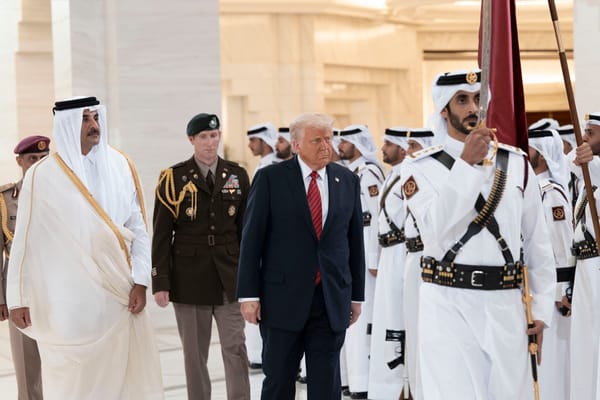
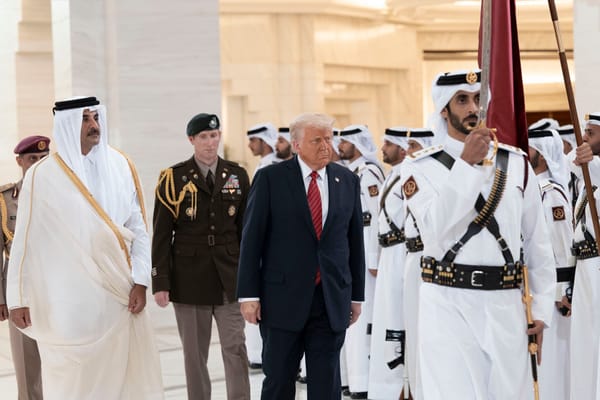
The diplomatic talks between Saudi Arabia and Iran hold significant potential for reshaping the economic and strategic landscape of the Gulf region. Improved relations between these two regional powers could lead to enhanced stability, which is crucial for fostering economic growth and attracting foreign investment. The Gulf Cooperation Council (GCC) states, including Qatar, stand to benefit from a reduction in regional tensions, as it would create a more predictable and secure environment for trade and commerce.
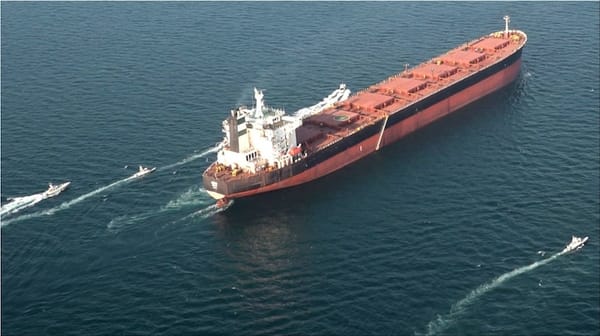
For Qatar, which has positioned itself as a key player in the global energy market, the de-escalation of hostilities could facilitate smoother energy trade routes and reduce the risk of disruptions in the Strait of Hormuz, a critical chokepoint for global oil shipments. A stable Gulf region would likely encourage greater cooperation in energy projects and infrastructure development, potentially leading to increased economic integration among GCC countries and Iran.
Furthermore, the easing of Saudi-Iranian tensions could lead to strategic shifts in energy markets. With both nations being major oil producers, their cooperation could influence global oil prices and production levels. This cooperation might also extend to joint ventures in energy exploration and technology, enhancing the region's competitiveness in the global market.
Beyond energy, improved relations could open new trade routes and opportunities for economic collaboration. The potential for increased bilateral trade and investment between Saudi Arabia and Iran could stimulate economic diversification efforts in the Gulf states, reducing their reliance on oil revenues. This economic interdependence could serve as a foundation for long-term peace and stability, aligning with the broader strategic interests of the region, including those of Qatar and its neighbors.
The diplomatic talks between Saudi Arabia and Iran have elicited varied responses from regional and international actors. The Gulf Cooperation Council (GCC), which includes key players like the United Arab Emirates and Bahrain, has cautiously welcomed the dialogue, recognizing the potential for reduced regional tensions. However, there remains skepticism about the talks' ability to resolve long-standing issues, such as Iran's influence in Yemen and Syria, which directly affect GCC security interests.
Among other Middle Eastern countries, Iraq has played a pivotal role as a mediator, hosting several rounds of talks since April 2021. This involvement underscores Iraq's strategic interest in stabilizing its own borders and reducing sectarian tensions within its territory. Meanwhile, Lebanon and Syria, both influenced by Iranian and Saudi interests, observe the talks with the hope that improved relations might lead to greater regional stability and economic support.
On the international stage, the United States and the European Union have expressed cautious optimism. The Biden administration has indicated support for any initiative that could lead to de-escalation in the Gulf, aligning with its broader Middle Eastern policy of reducing direct military involvement. The EU, facing its own energy challenges, views the talks as a potential pathway to stabilizing global oil markets, which could mitigate economic pressures exacerbated by the war in Ukraine.
Looking ahead, the outcome of these talks could significantly influence regional dynamics. If successful, they may pave the way for a formal agreement by mid-2024, potentially leading to a new era of cooperation. However, continued distrust and unresolved issues could stall progress. Observers should watch for concrete measures, such as mutual security assurances or economic partnerships, as indicators of genuine progress. Ultimately, the success of these talks will depend on the willingness of both nations to compromise and prioritize regional stability over historical grievances.