Saudi-Iran Diplomatic Talks: A Path to Regional Stability?
Exploring the renewed diplomatic engagement between Saudi Arabia and Iran and its implications for regional tensions.
The resumption of diplomatic talks between Saudi Arabia and Iran marks a significant shift in Middle Eastern geopolitics, with both nations engaging in dialogue after years of severed relations. The breakthrough was largely facilitated by China, which hosted a landmark meeting in March 2023, culminating in an agreement to restore diplomatic ties and reopen embassies within two months.
Several factors have catalyzed this renewed dialogue. The geopolitical landscape has been reshaped by the Abraham Accords and the evolving dynamics in the region, which have pressured both countries to reconsider their longstanding rivalry. The economic strain from prolonged conflicts in Yemen and Syria, alongside the impact of international sanctions, has also incentivized both nations to seek de-escalation. The United States' pivot away from the Middle East under the Biden administration has further encouraged regional powers to engage directly with each other to ensure stability.
As of October 2023, the negotiations have achieved several key milestones, including the exchange of ambassadors and the reopening of embassies in Riyadh and Tehran. Both countries have expressed a commitment to non-interference in each other's internal affairs, a significant step given their history of proxy conflicts. The talks have also addressed regional security concerns, with both nations pledging to work towards a political resolution in Yemen, where their support for opposing factions has fueled a devastating conflict.
Third-party nations, notably China and Iraq, have played crucial roles in facilitating these discussions. Iraq hosted several rounds of preliminary talks in Baghdad, laying the groundwork for the eventual agreement. The involvement of these nations underscores the international community's vested interest in stabilizing a region that has long been a flashpoint for broader geopolitical tensions.
The historical tensions between Saudi Arabia and Iran are deeply rooted in sectarian divides and geopolitical rivalries that have shaped their relations for decades. The schism between Sunni-majority Saudi Arabia and Shia-majority Iran is a fundamental aspect of their discord, influencing their respective regional policies and alliances. This sectarian divide has often been exacerbated by political and ideological differences, with both nations vying for leadership in the Islamic world.
Key events in the late 20th century significantly impacted their relations. The 1979 Iranian Revolution was a pivotal moment, as the establishment of an Islamic Republic in Iran posed a direct ideological challenge to the Saudi monarchy. The subsequent Iran-Iraq War (1980-1988) saw Saudi Arabia supporting Iraq, further entrenching hostilities. The rivalry intensified in the post-9/11 era, with both nations backing opposing sides in regional conflicts, notably in Lebanon, Syria, and Yemen. These proxy conflicts have perpetuated instability and deepened mistrust.
The 2016 execution of Shia cleric Nimr al-Nimr by Saudi Arabia and the subsequent attack on the Saudi embassy in Tehran marked a severe diplomatic rupture, leading to the severance of formal diplomatic ties. This incident underscored the volatility of their relationship and the ease with which tensions could escalate. Despite these challenges, recent diplomatic engagements suggest a cautious willingness to address their differences. The ongoing negotiations represent a critical juncture, with both nations recognizing the unsustainable nature of their rivalry amid shifting regional dynamics.
These historical tensions have not only shaped bilateral relations but also influenced broader regional alignments and conflicts. The current diplomatic efforts, therefore, are not merely about bilateral reconciliation but also about redefining the geopolitical landscape of the Middle East, with potential implications for regional stability and cooperation.
In the ongoing diplomatic talks between Saudi Arabia and Iran, several key political figures and stakeholders have emerged as influential players. From Saudi Arabia, Crown Prince Mohammed bin Salman has been a central figure, advocating for a more assertive foreign policy while also expressing a willingness to explore diplomatic avenues to reduce regional tensions. His vision for regional stability aligns with his broader economic and social reform agenda under the Vision 2030 framework, which seeks to diversify the Saudi economy and reduce its dependence on oil.
On the Iranian side, President Ebrahim Raisi has taken a pragmatic approach to foreign policy, emphasizing the importance of regional cooperation and dialogue. Raisi's administration has been keen to alleviate economic pressures exacerbated by international sanctions, and improving relations with Saudi Arabia could open new avenues for economic and political collaboration. Both leaders have publicly stated their commitment to addressing security concerns and fostering stability in the Gulf region, recognizing the mutual benefits of reducing hostilities.
Beyond the primary stakeholders, third-party nations and organizations have played significant roles in facilitating the talks. China, with its growing economic interests in the Middle East, has acted as a mediator, leveraging its diplomatic influence to encourage dialogue. Meanwhile, Iraq has hosted several rounds of discussions, underscoring its strategic interest in regional stability, given its geopolitical position between the two nations.
International organizations, including the United Nations, have also expressed support for the negotiations, highlighting the potential for these talks to contribute to broader peace efforts in conflict zones like Yemen. The involvement of these external actors reflects a collective recognition of the importance of Saudi-Iranian relations in shaping the future of the Middle East. As these diplomatic efforts continue, the roles of these leaders and stakeholders will be crucial in determining the trajectory of regional stability and cooperation.
The diplomatic negotiations between Saudi Arabia and Iran are influenced by a complex web of international agreements and legal frameworks. One of the key agreements relevant to these talks is the United Nations Charter, which emphasizes the importance of peaceful resolution of disputes and the maintenance of international peace and security. Both nations, as UN member states, are bound by these principles, which provide a legal foundation for their diplomatic engagements.
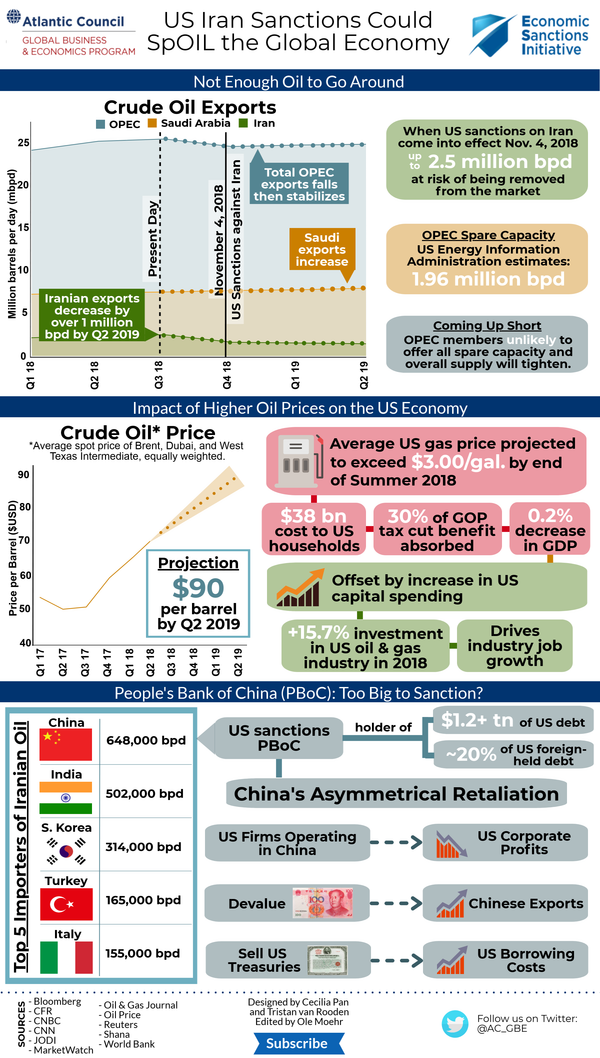
Past treaties and agreements also play a significant role in shaping the current negotiations. The Joint Comprehensive Plan of Action (JCPOA), although primarily focused on Iran's nuclear program, has broader implications for regional security dynamics. The JCPOA's framework of dialogue and verification could serve as a model for building trust and ensuring compliance in any future agreements between Saudi Arabia and Iran. However, the U.S. withdrawal from the JCPOA in 2018 and subsequent re-imposition of sanctions on Iran have complicated the diplomatic landscape, highlighting the challenges posed by shifting international commitments.
Another pertinent legal framework is the Gulf Cooperation Council (GCC) Charter, which underscores the importance of economic and political cooperation among Gulf states. While Iran is not a member of the GCC, the charter's principles of regional stability and cooperation are relevant to the ongoing talks, particularly as Saudi Arabia seeks to align its diplomatic efforts with broader GCC objectives.
These existing legal frameworks present both opportunities and challenges. On one hand, they provide a basis for dialogue and potential reconciliation. On the other hand, the differing interpretations and commitments to these agreements by involved parties could pose obstacles to reaching a comprehensive and lasting resolution. As negotiations progress, navigating these legal complexities will be crucial for achieving meaningful outcomes that contribute to regional stability.
The ongoing tensions between Saudi Arabia and Iran have profound implications for human rights, particularly affecting civilian populations in conflict zones such as Yemen and Syria. The proxy conflicts fueled by these tensions have resulted in significant humanitarian crises. According to the United Nations, the war in Yemen, which is often seen as a battleground for Saudi-Iranian rivalry, has led to over 233,000 deaths by the end of 2020, with millions more displaced and in dire need of humanitarian aid.
Non-governmental organizations (NGOs) have been actively monitoring the situation, providing critical reports on the human rights violations occurring as a result of these conflicts. For instance, Human Rights Watch and Amnesty International have documented numerous instances of civilian casualties and the destruction of infrastructure in Yemen, attributing these to the military actions supported by both Saudi Arabia and Iran. These NGOs have called for accountability and the protection of civilians, urging both nations to adhere to international humanitarian law.
The long-term implications of these tensions on regional human rights practices are concerning. The protracted nature of the conflicts exacerbates the suffering of civilians and undermines efforts to establish a stable and peaceful environment. The continuation of hostilities poses a significant barrier to the development of robust human rights frameworks in the region. Moreover, the geopolitical focus on military and strategic interests often overshadows the urgent need for addressing human rights abuses and providing humanitarian relief.
As diplomatic talks between Saudi Arabia and Iran progress, there is a critical opportunity to prioritize human rights in the negotiations. A successful resolution could pave the way for improved human rights conditions, not only in the immediate conflict zones but across the broader Middle East region. However, achieving this will require a concerted effort by all parties involved to place the welfare of civilian populations at the forefront of their diplomatic agendas.
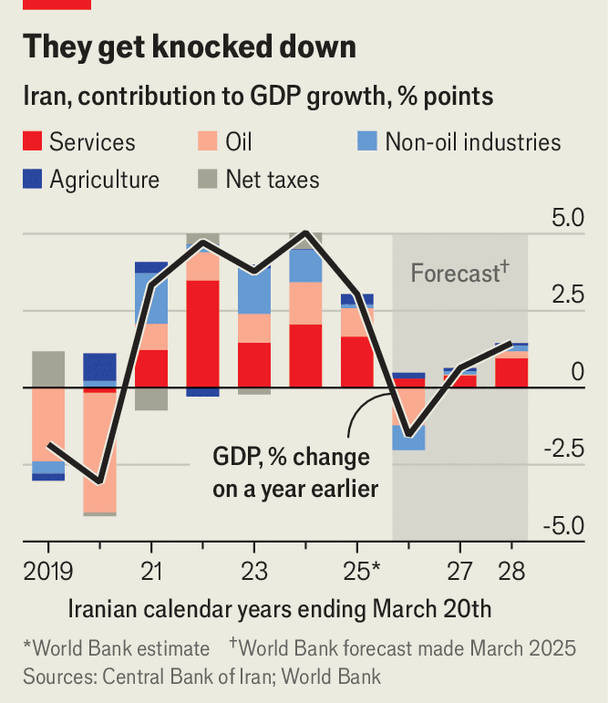
The potential stabilization of relations between Saudi Arabia and Iran could yield significant economic benefits for the Gulf region. A reduction in tensions may lead to increased investor confidence and economic cooperation, fostering an environment conducive to trade and investment. The easing of hostilities could open new avenues for bilateral trade agreements and joint ventures, enhancing economic growth and diversification efforts across the region.
For Qatar, a key player in the Gulf, the normalization of Saudi-Iran relations could lead to strategic shifts. Qatar's diplomatic and economic policies have often been influenced by the broader regional dynamics, including its relations with both Saudi Arabia and Iran. Improved relations between these two nations could provide Qatar with greater flexibility in its foreign policy and economic strategies, potentially allowing it to act as a mediator or facilitator in regional affairs.
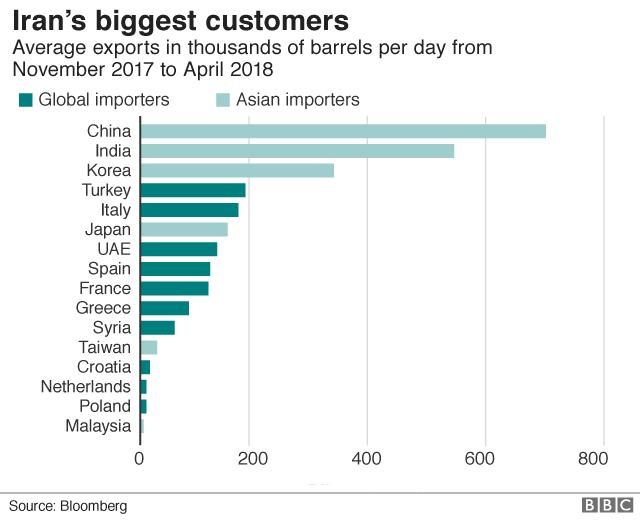
The stabilization of Saudi-Iran relations could also have a profound impact on the energy markets. Both countries are major oil producers, and a cooperative relationship could lead to more stable oil prices and coordinated production strategies within OPEC. This stability would benefit not only the Gulf economies but also global markets, reducing volatility and ensuring a steady supply of energy resources.
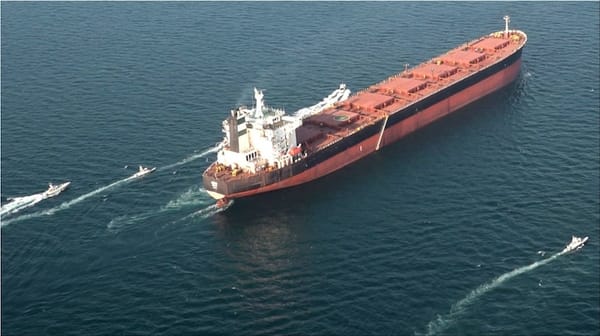
Moreover, the improvement in relations could enhance the security of key trade routes in the region, such as the Strait of Hormuz, through which a significant portion of the world's oil supply is transported. Ensuring the security of these routes is vital for the uninterrupted flow of goods and energy, which is crucial for the economic prosperity of the Gulf states.
Overall, the potential economic and strategic benefits of improved Saudi-Iran relations underscore the importance of successful diplomatic negotiations. A stable and cooperative Gulf region could lead to enhanced economic growth, energy security, and regional integration, benefiting all countries involved.
The renewed diplomatic talks between Saudi Arabia and Iran have elicited varied responses from regional and international actors. Neighboring countries, particularly those in the Gulf Cooperation Council (GCC), have generally welcomed the dialogue, viewing it as a potential avenue for regional stability. The United Arab Emirates and Kuwait, for instance, have expressed cautious optimism, hoping that improved relations could lead to reduced tensions and enhanced economic cooperation within the Gulf.
Internationally, major powers such as the United States and the European Union have shown support for the talks, emphasizing the importance of dialogue in resolving longstanding conflicts. The U.S., which has strategic alliances with Saudi Arabia, sees the potential for a diplomatic breakthrough as beneficial for its interests in the region, particularly in terms of countering Iranian influence. Meanwhile, China and Russia, both of which maintain strong ties with Iran, have also endorsed the negotiations, recognizing the potential for increased stability to facilitate their economic and strategic interests in the Middle East.
However, the talks also carry the potential for new geopolitical alignments. Should the negotiations lead to a rapprochement, countries like Iraq and Syria, which have been battlegrounds for Saudi-Iranian proxy conflicts, may experience shifts in their internal dynamics. Conversely, a breakdown in talks could exacerbate existing tensions, potentially leading to increased regional instability.
Looking ahead, the coming months will be critical in determining the trajectory of Saudi-Iran relations. Key indicators to watch include any formal agreements reached, shifts in military postures, and changes in rhetoric from both nations. The outcome of these talks could redefine the geopolitical landscape of the Gulf, influencing not only regional alliances but also the broader strategic calculations of global powers. The success or failure of these negotiations will likely have far-reaching implications for regional security, economic development, and international relations.