Saudi Arabia and Iran: A New Era of Diplomatic Engagement
Exploring the recent diplomatic talks between Saudi Arabia and Iran to ease regional tensions and their implications.
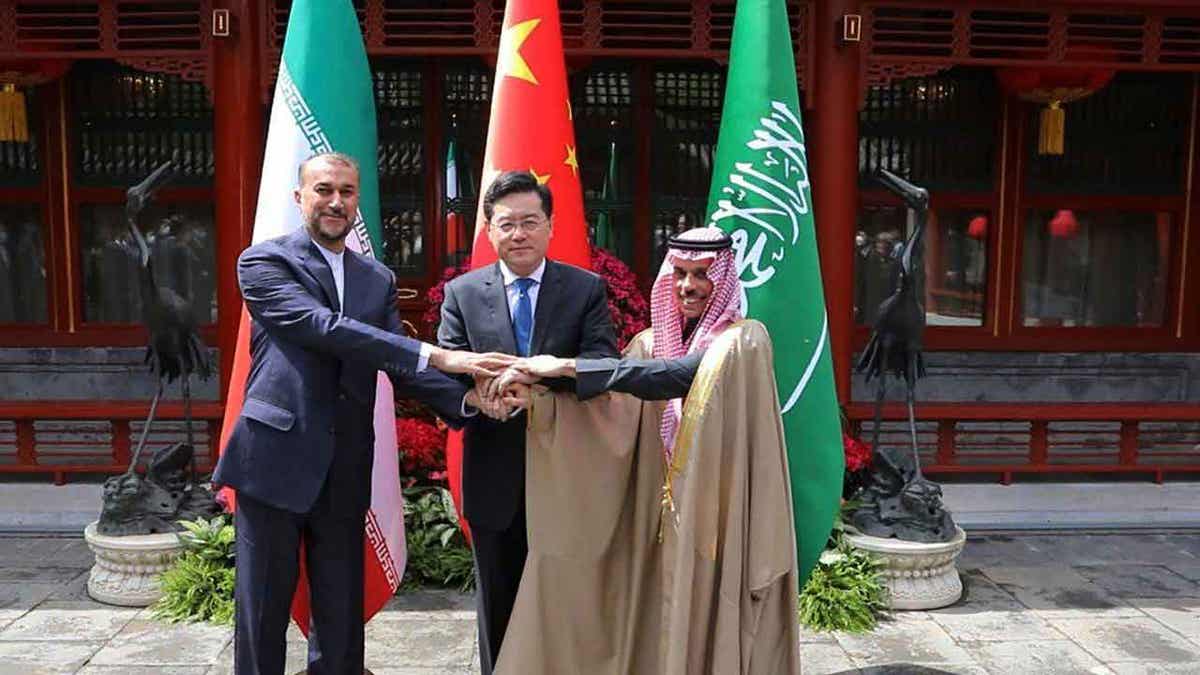
The diplomatic thaw between Saudi Arabia and Iran marks a significant shift in Middle Eastern geopolitics, with the two regional powers engaging in talks facilitated by third-party mediators. These discussions, which commenced in April 2021, were primarily brokered by Iraq and Oman, aiming to de-escalate long-standing tensions that have destabilized the region.
The catalyst for these talks can be traced back to several key events that exacerbated hostilities. The most notable incident was the September 2019 drone and missile attack on Saudi oil facilities in Abqaiq and Khurais, which Riyadh attributed to Tehran, despite Iranian denials. This attack highlighted the vulnerability of critical infrastructure and underscored the need for dialogue to prevent further escalation. Additionally, the conflict in Yemen, where Saudi Arabia leads a coalition against the Iran-backed Houthi rebels, has been a persistent source of tension. The humanitarian crisis resulting from this conflict has drawn international condemnation and increased pressure on both nations to seek a resolution.
In this context, Iraq and Oman have played pivotal roles as mediators. Iraq, with its strategic position and historical ties to both countries, hosted several rounds of talks in Baghdad. Oman's longstanding policy of neutrality and diplomacy in the Gulf has also been instrumental in bringing the parties to the negotiating table. The involvement of these mediators reflects a broader regional desire for stability and a recognition of the potential benefits of improved Saudi-Iranian relations.
The diplomatic engagement between Saudi Arabia and Iran is not only a response to direct incidents but also a strategic recalibration influenced by changing regional dynamics and international pressures. As these talks progress, they hold the potential to reshape alliances and influence the geopolitical landscape of the Middle East.
The historical relationship between Saudi Arabia and Iran has been marked by a series of conflicts and rivalries, deeply rooted in both political and sectarian divides. The 1979 Iranian Revolution was a pivotal moment that transformed Iran from a monarchy into an Islamic Republic, altering the regional balance of power and intensifying sectarian tensions. This shift alarmed the Sunni-dominated Saudi Arabia, which viewed the rise of a Shia-led Iran as a direct challenge to its influence in the Muslim world.
Throughout the 1980s, the Iran-Iraq War further strained relations, with Saudi Arabia supporting Iraq financially and politically. The end of the war did little to ease tensions, as both nations continued to vie for regional dominance. The 1990s saw a brief thaw in relations, with diplomatic efforts leading to the restoration of ties in 1991. However, this period of rapprochement was short-lived, as the 2003 US-led invasion of Iraq created a power vacuum that both Saudi Arabia and Iran sought to fill, reigniting hostilities.
Sectarian divides have consistently influenced diplomatic efforts, with Saudi Arabia championing Sunni interests and Iran supporting Shia factions across the region. This sectarian rivalry has manifested in proxy conflicts, most notably in Syria, Lebanon, and Yemen, where both countries have backed opposing sides, exacerbating regional instability.
Past negotiations have often been hampered by mutual distrust and competing geopolitical interests. However, lessons from these efforts highlight the importance of sustained dialogue and third-party mediation. The current talks, facilitated by Iraq and Oman, draw on these lessons, emphasizing the need for incremental confidence-building measures and addressing core issues such as security and economic cooperation. While the path to reconciliation remains fraught with challenges, the ongoing diplomatic engagement offers a cautious optimism for a more stable and cooperative future in the Middle East.
The recent diplomatic talks between Saudi Arabia and Iran have seen the involvement of key representatives from both nations, signaling a serious commitment to addressing longstanding tensions. On the Saudi side, the talks have been led by Prince Faisal bin Farhan Al Saud, the Minister of Foreign Affairs, who has emphasized the kingdom's desire for regional stability and security. Iran's delegation has been headed by Hossein Amir-Abdollahian, the Iranian Foreign Minister, who has articulated Iran's position on fostering cooperative relations and reducing regional tensions.
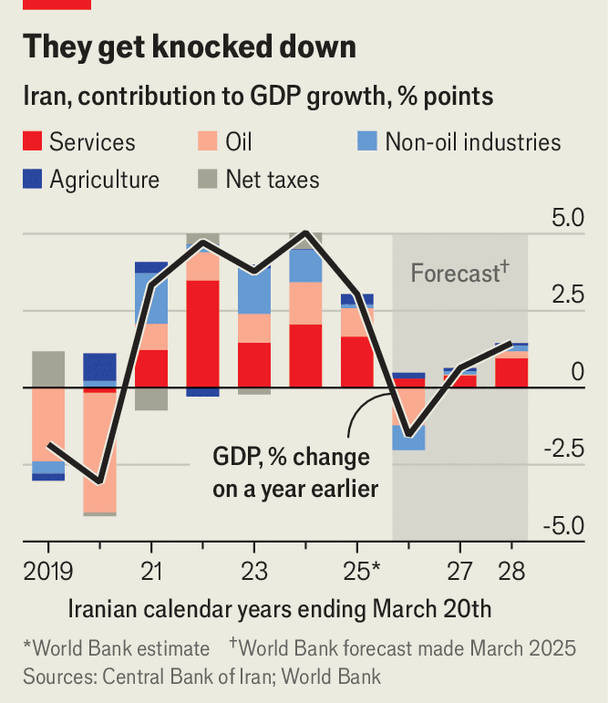
Both countries have expressed a willingness to engage in dialogue, albeit with differing priorities. Saudi Arabia has consistently highlighted the need to curb Iran's influence in regional conflicts, particularly in Yemen, where the Saudi-led coalition has been fighting the Iran-aligned Houthi rebels since 2015. Iran, on the other hand, seeks assurances against external aggression and advocates for the lifting of economic sanctions that have severely impacted its economy.
Influential regional players have also played significant roles in facilitating these talks. Iraq and Oman, as mediators, have provided neutral grounds for dialogue, leveraging their unique positions to bridge the gap between the two nations. Iraq's Prime Minister, Mohammed Shia' Al Sudani, has been actively involved, recognizing the potential benefits of reduced tensions for Iraq's own stability. Similarly, Oman's Sultan Haitham bin Tariq has utilized his country's diplomatic channels to encourage constructive engagement.
These diplomatic efforts have garnered attention from other regional actors and international powers, with countries like the United Arab Emirates and Qatar expressing support for the talks. The involvement of these actors underscores the broader regional interest in achieving a sustainable peace, which could lead to enhanced cooperation and economic integration in the Gulf region. The success of these talks could potentially set a precedent for resolving other conflicts in the Middle East, marking a significant shift in the geopolitical landscape.
The diplomatic engagement between Saudi Arabia and Iran is occurring within a complex international legal framework that includes several United Nations resolutions and international laws. Notably, UN Security Council Resolution 2231, which endorsed the Joint Comprehensive Plan of Action (JCPOA) on Iran's nuclear program in 2015, remains a pivotal document influencing regional dynamics. Although the United States withdrew from the JCPOA in 2018, the resolution still holds significant weight in international diplomacy, affecting Iran's economic sanctions and its nuclear activities.
Additionally, UN Security Council Resolution 2216, adopted in 2015, imposes an arms embargo on the Houthi rebels in Yemen, indirectly impacting Saudi-Iranian relations. Saudi Arabia has cited this resolution in its efforts to limit Iranian influence in Yemen, where Iran is accused of supplying arms to the Houthis. The enforcement and interpretation of these resolutions are critical to the ongoing negotiations, as they shape the legal boundaries within which both nations operate.
International laws concerning state sovereignty and non-interference, as enshrined in the UN Charter, also play a crucial role. These principles are often invoked by Iran to argue against foreign intervention in its affairs, while Saudi Arabia emphasizes the need for collective security measures to counter perceived threats from Iranian actions in the region. The balance between respecting sovereignty and ensuring regional security is a delicate one, influencing the diplomatic discourse.
The potential legal ramifications of the talks are significant. A successful diplomatic resolution could lead to a reevaluation of existing sanctions and arms embargoes, potentially easing economic pressures on Iran and altering the strategic calculus in the Gulf. Moreover, any agreement reached could set a legal precedent for conflict resolution in the Middle East, promoting a framework for peaceful negotiation over military confrontation. Such outcomes would not only enhance regional stability but also reinforce the role of international law in mediating complex geopolitical disputes.
The ongoing tensions between Saudi Arabia and Iran have profound implications for human rights, particularly affecting civilian populations in conflict zones such as Yemen and Syria. The protracted conflict in Yemen, where Saudi Arabia leads a coalition against the Iran-backed Houthi rebels, has resulted in one of the world's worst humanitarian crises. According to the United Nations, as of 2023, over 377,000 people have died as a result of the conflict, with millions more displaced and in need of humanitarian assistance. The blockade and airstrikes have severely restricted access to food, medicine, and other essential supplies, exacerbating the suffering of civilians.
Human rights organizations, including Amnesty International and Human Rights Watch, have documented numerous violations in these regions, highlighting the indiscriminate attacks on civilian infrastructure and the use of starvation as a weapon of war. These reports underscore the urgent need for a diplomatic resolution to alleviate the humanitarian toll and ensure the protection of civilians. The international community, through the United Nations and other bodies, has called for increased humanitarian access and adherence to international humanitarian law by all parties involved.
International organizations play a critical role in advocating for the rights of affected populations. The United Nations Office for the Coordination of Humanitarian Affairs (OCHA) continues to coordinate relief efforts, while the International Committee of the Red Cross (ICRC) provides essential medical and logistical support. These organizations emphasize the importance of maintaining neutrality and impartiality in their operations, urging all parties to respect humanitarian principles and facilitate the delivery of aid.
The resolution of Saudi-Iranian tensions could significantly improve the human rights situation in the region. A diplomatic breakthrough may lead to a reduction in hostilities, allowing for greater humanitarian access and the rebuilding of war-torn communities. Such progress would not only address immediate human rights concerns but also lay the groundwork for long-term peace and stability in the Middle East.
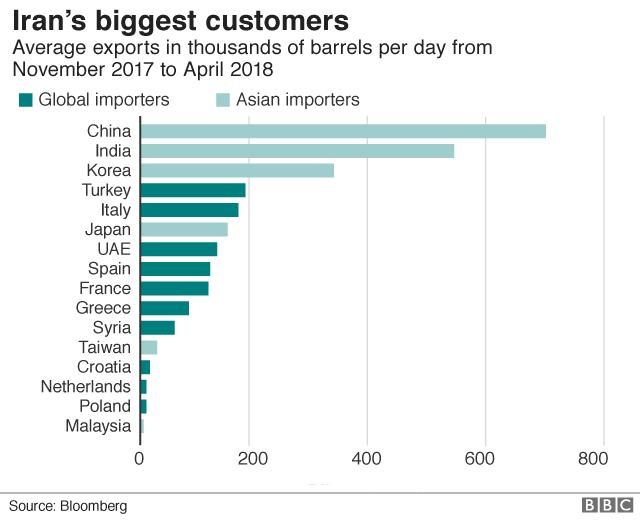
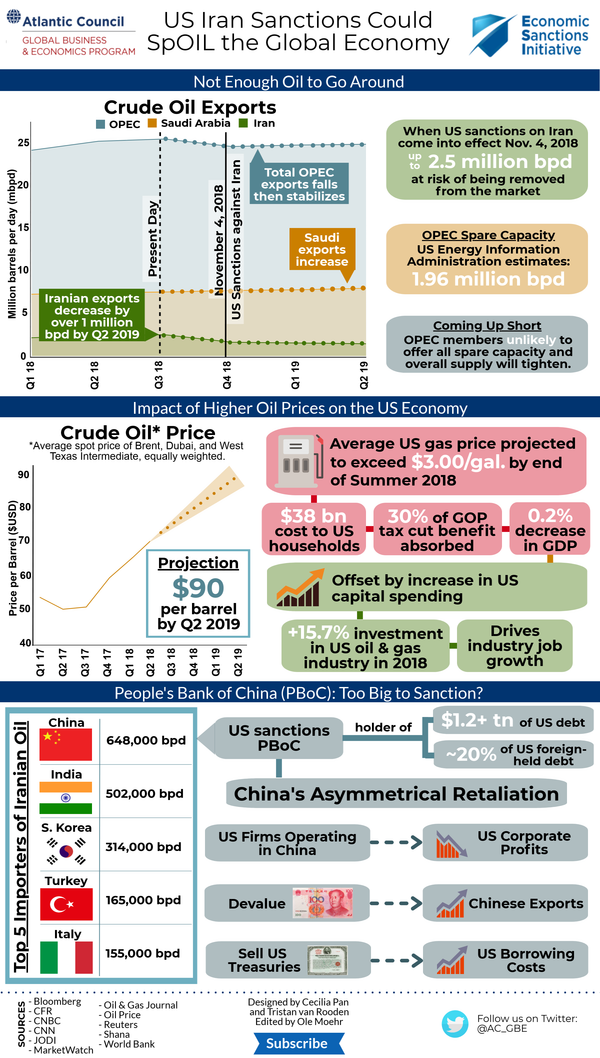
The economic and strategic interests driving Saudi Arabia and Iran towards resolving their differences are multifaceted, reflecting both nations' aspirations for regional influence and economic prosperity. Saudi Arabia, with its Vision 2030 initiative, aims to diversify its economy away from oil dependency, necessitating a stable regional environment conducive to foreign investment and economic growth. Iran, on the other hand, seeks relief from crippling international sanctions that have severely impacted its economy, with a particular interest in re-entering global markets and boosting its oil exports.
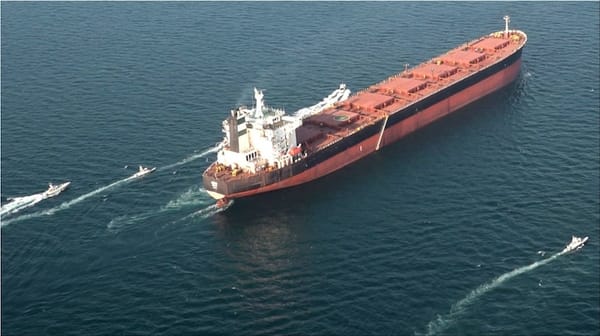
The Gulf region, including Qatar, is a strategic focal point for both nations, given its significant energy resources and pivotal maritime routes. The Strait of Hormuz, through which a substantial portion of the world's oil supply is transported, remains a critical area of interest. Ensuring the security and free passage of oil tankers in this region is paramount for global energy markets and the economic stability of Gulf states. Cooperation between Saudi Arabia and Iran could mitigate risks of conflict in these waters, thereby enhancing regional security and economic stability.
Moreover, the potential for increased economic collaboration between the two countries could lead to joint ventures in sectors such as energy, infrastructure, and technology, fostering economic interdependence that could further stabilize the region. Such cooperation could also pave the way for broader regional economic integration, benefiting not only Saudi Arabia and Iran but also neighboring countries, including Qatar. By resolving their differences, Saudi Arabia and Iran could unlock significant economic potential, promoting prosperity and stability across the Gulf.
The diplomatic talks between Saudi Arabia and Iran have elicited varied reactions from regional and global powers, reflecting the complex geopolitical landscape of the Middle East. Neighboring countries, particularly those in the Gulf Cooperation Council (GCC), have generally welcomed the dialogue, viewing it as a potential stabilizing force in a region long fraught with sectarian and political tensions. Qatar, which has historically maintained a balanced relationship with both Riyadh and Tehran, has expressed support for the talks, recognizing the potential for enhanced regional cooperation and security. The United Arab Emirates and Oman have similarly shown cautious optimism, hoping that improved Saudi-Iranian relations could lead to reduced tensions in hotspots such as Yemen and Syria.
International powers have also weighed in on the negotiations. The United States, a key ally of Saudi Arabia, has cautiously endorsed the dialogue, seeing it as a means to de-escalate regional conflicts and potentially curtail Iran's influence in the Middle East. However, Washington remains wary of Tehran's intentions, particularly regarding its nuclear program and support for proxy groups. The European Union has similarly expressed support, emphasizing the importance of diplomatic engagement in resolving longstanding disputes and promoting regional stability.
China and Russia, both of which have strategic interests in the region, have encouraged the talks, viewing them as an opportunity to enhance their diplomatic and economic ties with both nations. China, in particular, has played a mediating role, hosting several rounds of discussions and advocating for peaceful resolution of conflicts. Russia, while supportive, remains focused on maintaining its influence in Syria and leveraging its relationships with both Saudi Arabia and Iran to bolster its regional standing.
The reactions from these regional and global powers are crucial in shaping the success of the Saudi-Iranian talks. Supportive stances from influential countries can provide the necessary diplomatic backing and incentives for both parties to reach a sustainable agreement. However, any perceived bias or interference could complicate negotiations, underscoring the delicate balance required to achieve lasting peace and stability in the region.
Non-governmental organizations (NGOs) have played a critical role in monitoring the Saudi-Iranian tensions, providing independent assessments of the situation on the ground. Organizations such as Human Rights Watch and Amnesty International have been active in the region, focusing on human rights violations and the humanitarian impact of the ongoing conflicts. These NGOs have documented numerous instances of civilian casualties and displacement, particularly in conflict zones like Yemen, where the Saudi-Iranian rivalry has exacerbated the humanitarian crisis. Their reports highlight the dire conditions faced by civilians, including limited access to essential services and widespread food insecurity.
The findings reported by these NGOs are instrumental in shaping both public opinion and political responses. By bringing attention to the human cost of the conflict, NGOs pressure governments and international bodies to take action. Their reports often serve as critical evidence in discussions at the United Nations and other international forums, influencing resolutions and aid allocations. The transparency and accountability provided by these organizations are essential in ensuring that the voices of affected populations are heard and that their needs are addressed in diplomatic negotiations.
As Saudi Arabia and Iran continue their diplomatic engagement, the role of NGOs remains vital. Observers should watch for any shifts in the humanitarian landscape as talks progress. The potential for a reduction in hostilities could lead to improved conditions for civilians, but this will depend on the commitment of both nations to de-escalate tensions and prioritize human rights. Key scenarios to monitor include the implementation of ceasefires in conflict areas and the opening of humanitarian corridors. The success of these diplomatic efforts will hinge on the willingness of both parties to engage constructively and the continued advocacy of NGOs to hold them accountable. The coming months will be crucial in determining whether these talks can translate into tangible improvements for the region's stability and prosperity.