Qatar's Crucial Role in Mediating Humanitarian Aid to Gaza Amidst Conflict
Exploring Qatar's efforts in facilitating aid to Gaza, its historical context, and regional implications.
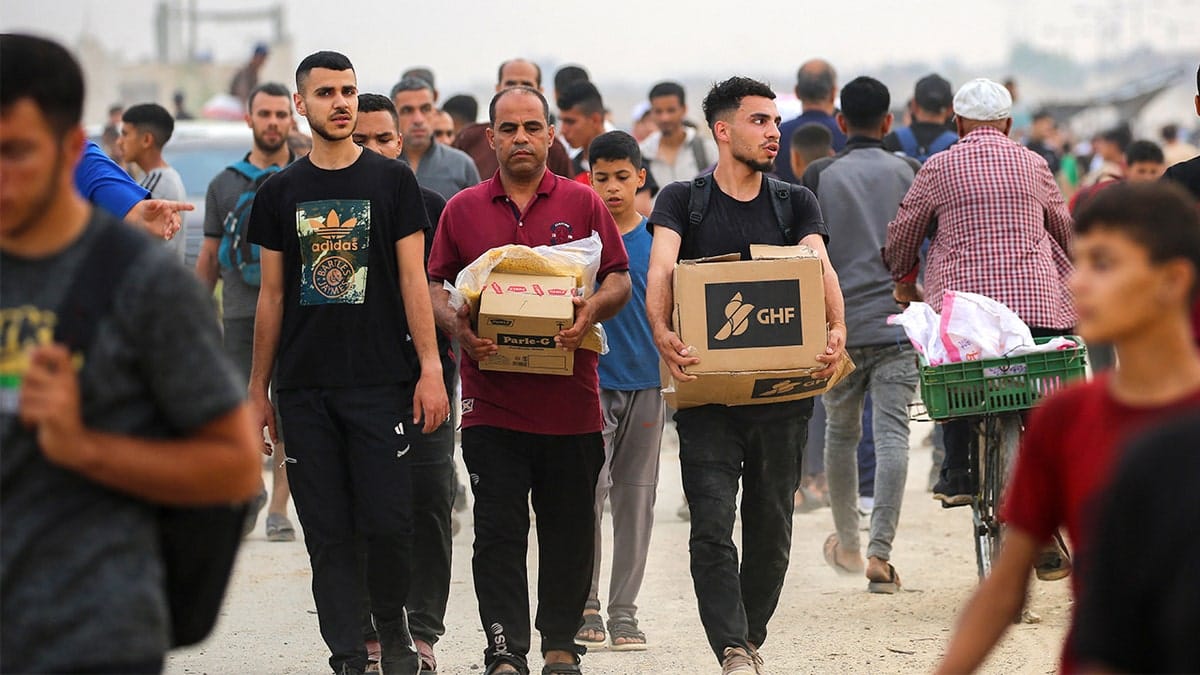
Qatar has emerged as a pivotal player in the delivery of humanitarian aid to Gaza amidst the ongoing conflict, spearheading efforts to alleviate the dire conditions faced by civilians. In recent weeks, Qatar has intensified its diplomatic and logistical initiatives, coordinating closely with international organizations and regional partners to ensure the flow of essential supplies into the besieged territory.
On October 15, 2023, Qatar announced a significant increase in its humanitarian assistance to Gaza, pledging an additional $50 million to support relief efforts. This commitment builds on Qatar's longstanding involvement in Gaza, where it has been a major donor and mediator in previous conflicts. The recent escalation in hostilities has prompted Qatar to expedite its aid delivery mechanisms, working through the Qatar Red Crescent Society and other humanitarian agencies to distribute food, medical supplies, and shelter materials to affected populations.
Qatar's involvement in Gaza is not new; it has been a key player in the region for over a decade. During the 2014 conflict, Qatar provided substantial financial aid and played a crucial role in reconstruction efforts. The current conflict has seen Qatar once again stepping up its efforts, forming strategic partnerships with entities such as the United Nations Relief and Works Agency for Palestine Refugees in the Near East (UNRWA) to facilitate the efficient delivery of aid.
As the humanitarian situation in Gaza continues to deteriorate, with reports from NGOs highlighting severe shortages of basic necessities, Qatar's proactive stance has been welcomed by many international actors. However, it has also drawn scrutiny from some quarters, reflecting the complex geopolitical dynamics at play. Despite these challenges, Qatar remains committed to its humanitarian mission, leveraging its diplomatic channels to negotiate safe passage for aid convoys and advocating for sustained international attention to the crisis.
Qatar's diplomatic engagement with Gaza has been characterized by a consistent policy of support and mediation, particularly in relation to the governing authority, Hamas. Since Hamas took control of Gaza in 2007, Qatar has maintained open channels of communication, positioning itself as a key mediator in the region. This relationship was notably evident during the 2012 and 2014 conflicts, where Qatar played a significant role in brokering ceasefires and facilitating dialogue between Hamas and other regional actors.
In 2012, Qatar's then-Emir, Sheikh Hamad bin Khalifa Al Thani, made a historic visit to Gaza, marking the first such visit by a head of state since Hamas assumed power. This visit underscored Qatar's commitment to supporting the Palestinian cause and its willingness to engage directly with Hamas. During this period, Qatar pledged hundreds of millions of dollars for reconstruction projects, including housing and infrastructure development, which were crucial in the aftermath of Israeli military operations.
Over the years, Qatar has continued to refine its humanitarian policies towards Gaza, emphasizing the importance of sustainable development alongside immediate relief efforts. This approach has involved substantial financial contributions to various sectors, including education, healthcare, and energy. Qatar's strategic partnerships with international organizations, such as UNRWA, have been pivotal in implementing these initiatives, ensuring that aid reaches those most in need.
The evolution of Qatar's policies reflects its broader foreign policy objectives, which prioritize humanitarian diplomacy and conflict resolution. By maintaining a balanced stance that allows dialogue with all parties involved, Qatar has positioned itself as an indispensable actor in the ongoing efforts to address the humanitarian crisis in Gaza. This role not only enhances Qatar's diplomatic standing but also reinforces its influence in regional geopolitics, particularly in relation to the Israeli-Palestinian conflict.
In the complex landscape of humanitarian aid to Gaza, several key actors play pivotal roles. Among the most prominent are international organizations such as the United Nations Relief and Works Agency for Palestine Refugees in the Near East (UNRWA) and the International Committee of the Red Cross (ICRC). These organizations have long been involved in providing essential services and relief to the Palestinian population, often working in collaboration with countries like Qatar to ensure aid reaches those in need.
Qatar's involvement has been largely supported by these international bodies, which recognize the country's financial contributions and diplomatic efforts as crucial to sustaining aid operations in a region fraught with logistical and political challenges. The UNRWA, in particular, has lauded Qatar's consistent financial support, which has been instrumental in maintaining educational and health services for Palestinian refugees.
Local actors, including the governing authority in Gaza, Hamas, have also played a significant role in the distribution and management of aid. While Qatar's relationship with Hamas has drawn criticism from some Western and regional actors, it has enabled Qatar to facilitate the delivery of aid more effectively within Gaza. This pragmatic approach has been acknowledged by the Gazan population, many of whom view Qatar as a vital ally in their struggle for survival amidst ongoing conflict.
However, reactions to Qatar's role are not universally positive. Some regional actors, particularly those aligned with the blockade against Qatar, have expressed skepticism about its intentions, questioning whether its aid efforts are politically motivated. Despite these criticisms, Qatar's commitment to humanitarian aid remains steadfast, underscoring its strategic aim to act as a mediator and supporter in the region. This nuanced position allows Qatar to navigate the complex geopolitical environment while continuing to provide much-needed assistance to the people of Gaza.
International humanitarian law, particularly the Geneva Conventions of 1949 and their Additional Protocols, provides the primary legal framework governing the provision of humanitarian aid in conflict zones. These laws mandate the protection of civilians and ensure the delivery of necessary aid without obstruction. The United Nations Security Council has also passed several resolutions emphasizing the need for unimpeded humanitarian access, such as Resolution 1860, which specifically addresses the situation in Gaza, calling for the sustained and regular flow of goods and people through the crossings.
Qatar's involvement in providing humanitarian aid to Gaza aligns with these international legal frameworks. By working closely with organizations like UNRWA and the ICRC, Qatar ensures that its aid efforts comply with established international standards. These partnerships facilitate the delivery of assistance in a manner consistent with the principles of neutrality, impartiality, and independence, which are central to humanitarian operations in conflict zones.
Despite these efforts, Qatar faces significant challenges in adhering to international resolutions. The ongoing blockade of Gaza, imposed by Israel and Egypt, complicates the logistics of aid delivery, often resulting in delays and shortages of essential supplies. Additionally, the political dynamics within the region, including Qatar's complex relationship with Hamas, further complicate compliance with international mandates. These challenges require Qatar to navigate a delicate balance between diplomatic engagement and adherence to international law, ensuring that its humanitarian initiatives remain effective and legally sound.
In this intricate geopolitical landscape, Qatar's commitment to upholding international legal standards while providing critical aid underscores its role as a key actor in the region. By aligning its actions with international humanitarian law, Qatar not only enhances its diplomatic credibility but also reinforces its strategic position as a mediator and supporter of peace and stability in the Middle East.
The humanitarian situation in Gaza remains dire, exacerbated by the ongoing conflict and the blockade that has been in place since 2007. According to recent reports from the United Nations Office for the Coordination of Humanitarian Affairs (OCHA), the civilian population in Gaza faces severe shortages of essential supplies, including food, water, and medical care. The blockade has severely restricted the flow of goods and services, leading to a humanitarian crisis that affects every aspect of daily life.
Casualty figures continue to rise, with the Palestinian Ministry of Health reporting hundreds of deaths and thousands of injuries in recent escalations. The destruction of infrastructure, including homes, schools, and hospitals, has further compounded the challenges faced by civilians. The World Health Organization (WHO) has highlighted the critical condition of Gaza's healthcare system, which struggles to cope with the influx of casualties amid shortages of medical supplies and personnel.
Non-governmental organizations (NGOs) operating in the region, such as Médecins Sans Frontières (MSF) and the Norwegian Refugee Council (NRC), have documented the deteriorating living conditions. They report that over 70% of the population is food insecure, and access to clean water is limited, with many relying on unsafe sources. The lack of electricity, which often amounts to only a few hours per day, further exacerbates the humanitarian situation, affecting everything from healthcare to education.
The psychosocial impact of the conflict on Gaza's civilian population is profound. NGOs have reported high levels of trauma and psychological distress, particularly among children, who make up nearly half of Gaza's population. The constant threat of violence, coupled with the loss of loved ones and the destruction of homes, has led to widespread mental health issues. Organizations like UNICEF have emphasized the urgent need for psychosocial support services to address the long-term effects of trauma on the population.
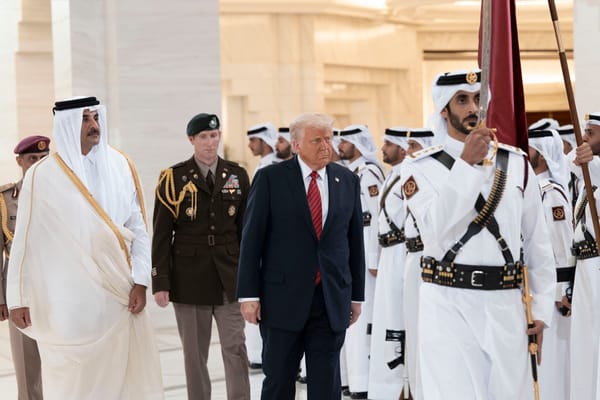
Qatar's mediation efforts in providing humanitarian aid to Gaza carry significant economic and strategic implications for the Gulf region. As a nation with a history of diplomatic engagement in the Middle East, Qatar's involvement in Gaza underscores its ambition to position itself as a key mediator and peace broker. This role enhances Qatar's diplomatic leverage, allowing it to influence regional dynamics and assert its presence on the international stage.
Relations with other Gulf states, particularly Saudi Arabia and the United Arab Emirates, are complex and have been marked by periods of tension, notably during the 2017 Gulf crisis when Qatar faced a blockade by its neighbors. Despite the resolution of the blockade in January 2021, underlying rivalries persist. Qatar's independent foreign policy, characterized by its support for groups like Hamas, often contrasts with the positions of other Gulf Cooperation Council (GCC) members, potentially leading to diplomatic friction. However, Qatar's humanitarian initiatives in Gaza could also serve as a platform for dialogue and cooperation, offering a common ground for addressing regional security concerns.
Economically, Qatar's active role in Gaza could yield long-term strategic benefits. By fostering stability in the region, Qatar can enhance its economic ties with other Middle Eastern countries, facilitating trade and investment opportunities. Moreover, its humanitarian efforts align with its broader strategy of soft power diplomacy, which seeks to build alliances and foster goodwill through aid and development projects. This approach not only strengthens Qatar's regional influence but also reinforces its image as a responsible and proactive member of the international community.
International reactions to Qatar's mediation role in providing humanitarian aid to Gaza have been mixed, reflecting the complex geopolitical landscape of the Middle East. The United States and European Union have generally welcomed Qatar's efforts, recognizing its potential to facilitate dialogue and provide much-needed relief to the beleaguered region. These global powers view Qatar's involvement as a stabilizing force, particularly in light of its ability to engage with both Palestinian authorities and Israel.
However, Qatar's role has also drawn skepticism from some regional actors. Israel, while acknowledging the necessity of humanitarian aid, remains wary of Qatar's ties with Hamas, which it considers a terrorist organization. This relationship complicates Qatar's position, as it attempts to balance its diplomatic engagements with maintaining its support for Palestinian causes. Meanwhile, Saudi Arabia and the United Arab Emirates, despite the resolution of the 2017 Gulf crisis, continue to monitor Qatar's actions closely, wary of its growing influence and independent foreign policy.
The implications for Qatar's foreign policy are significant. By positioning itself as a mediator, Qatar enhances its diplomatic standing and reinforces its image as a key player in regional politics. This role may lead to shifts in alliances, particularly if Qatar can leverage its mediation efforts to foster dialogue between conflicting parties. Such developments could pave the way for new partnerships and collaborations within the Middle East, potentially altering the balance of power in the region.
Looking ahead, Qatar's continued involvement in Gaza will be crucial. Observers should watch for any changes in the dynamics of Qatar's relationships with other Gulf states and its interactions with international powers. The success of its humanitarian initiatives could serve as a model for future conflict resolution efforts, solidifying Qatar's reputation as a mediator. As the situation in Gaza evolves, Qatar's ability to navigate these complex relationships will be a key determinant of its future diplomatic influence and regional stability.