Qatar's Crucial Role in Mediating Humanitarian Aid for Gaza Amidst Ongoing Conflict
Exploring Qatar's humanitarian efforts in Gaza, its historical ties with Hamas, and the implications for the region.
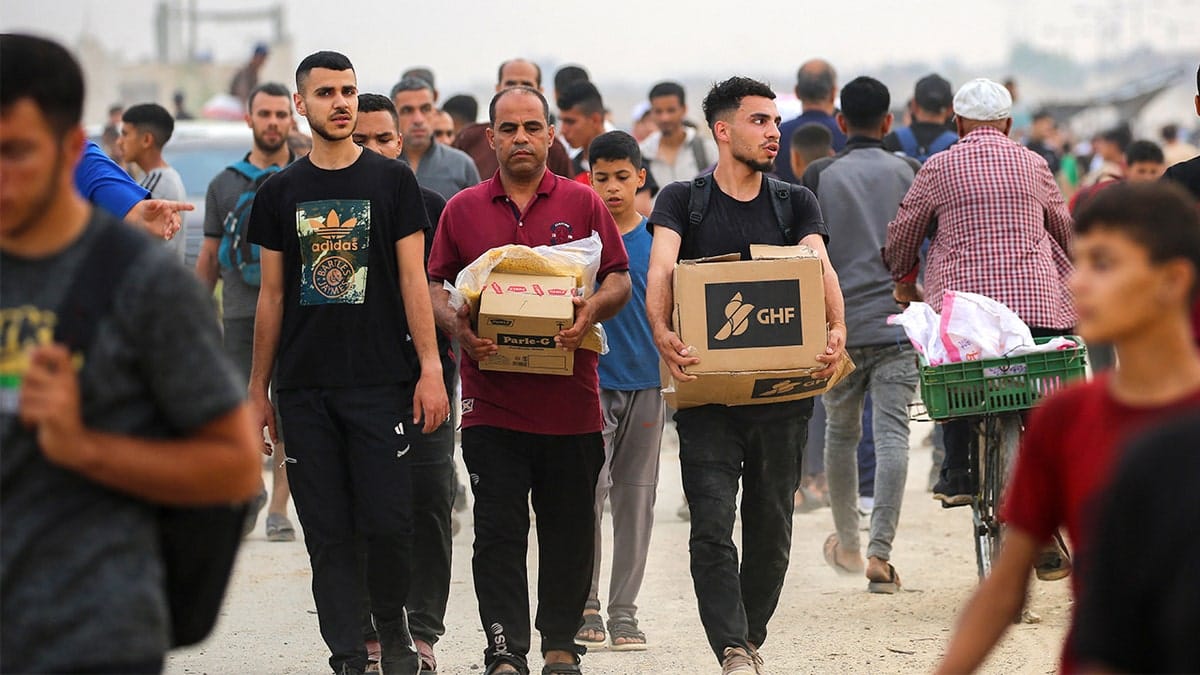
Qatar has emerged as a pivotal player in the provision of humanitarian aid to Gaza, committing substantial resources to alleviate the suffering of its population amidst ongoing conflict. Since 2012, Qatar has pledged over $1.5 billion in aid to Gaza, focusing on infrastructure, healthcare, and education. This commitment was notably reinforced in May 2021 when Qatar announced a $500 million aid package to support reconstruction efforts following the 11-day conflict between Israel and Hamas.
Qatar's humanitarian initiatives in Gaza have been marked by several key events. In 2014, following the 50-day war, Qatar played a crucial role in funding the reconstruction of homes and infrastructure, including the construction of a new residential city named after Sheikh Hamad bin Khalifa Al Thani. More recently, in 2021, Qatar facilitated a ceasefire agreement between Israel and Hamas, which was instrumental in allowing humanitarian aid to flow into the besieged enclave.
Delivering aid to Gaza, however, is fraught with challenges. The ongoing blockade imposed by Israel and Egypt since 2007 severely restricts the movement of goods and people, complicating the logistics of aid delivery. Additionally, the persistent threat of violence and military escalation poses significant risks to aid workers and the timely distribution of resources. Despite these obstacles, Qatar has maintained its commitment to providing essential support, often coordinating with international organizations and local authorities to ensure aid reaches those in need.
Qatar's efforts in Gaza underscore its strategic role in the region, leveraging its diplomatic relations with both Hamas and the Palestinian Authority to mediate and facilitate humanitarian assistance. This unique position enables Qatar to navigate the complex political landscape, providing much-needed relief to the people of Gaza while reinforcing its influence in Middle Eastern geopolitics.
Qatar's involvement in Gaza is deeply rooted in its historical ties with both Hamas and the Palestinian Authority (PA). Since the early 2000s, Qatar has cultivated a relationship with Hamas, providing financial support and political backing. This relationship was solidified when Qatar hosted Hamas leaders in Doha, offering them a platform to engage with international actors. The financial aid from Qatar has been crucial for Hamas, particularly as it faces economic isolation due to its designation as a terrorist organization by the United States and the European Union.
In parallel, Qatar has maintained diplomatic relations with the Palestinian Authority, seeking to balance its support across the Palestinian political spectrum. This dual engagement strategy allows Qatar to act as a mediator between the two factions, which have been at odds since Hamas took control of Gaza in 2007. Qatar's ability to engage with both Hamas and the PA is instrumental in its efforts to facilitate humanitarian aid, as it can negotiate access and coordinate aid distribution within the politically fragmented Palestinian territories.
The historical ties between Qatar, Hamas, and the PA significantly influence Qatar's current role in Gaza. By leveraging its established relationships, Qatar can navigate the political complexities that often hinder international aid efforts. This diplomatic flexibility not only enhances Qatar's capacity to deliver humanitarian assistance but also strengthens its geopolitical standing in the region. As a result, Qatar's historical relationships with Palestinian factions are a cornerstone of its ongoing mediation efforts, enabling it to provide critical support to Gaza amidst enduring conflict and humanitarian challenges.
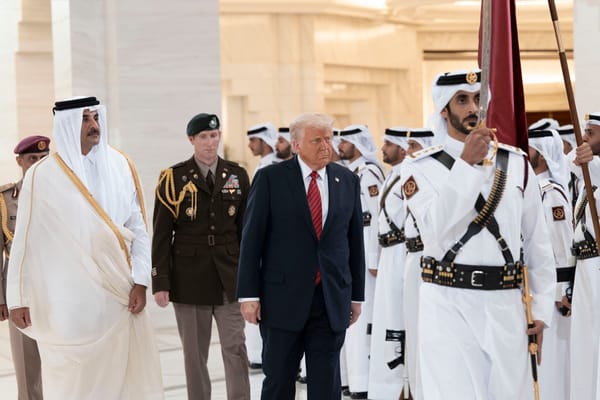
Qatar's mediation efforts in Gaza involve a complex network of regional and international stakeholders, each with distinct positions and interests. At the forefront are the Qatari government officials, who actively engage with both Hamas and the Palestinian Authority to facilitate the delivery of humanitarian aid. The Emir of Qatar, Sheikh Tamim bin Hamad Al Thani, plays a pivotal role in these diplomatic engagements, leveraging Qatar's unique position as a mediator.
Internationally, the United Nations and its agencies, such as the United Nations Relief and Works Agency for Palestine Refugees in the Near East (UNRWA), are critical partners in Qatar's aid initiatives. These organizations provide logistical support and coordinate on-the-ground operations to ensure aid reaches Gaza's most vulnerable populations. The UN's involvement is guided by resolutions such as UN Security Council Resolution 1860, which calls for the unimpeded provision and distribution of humanitarian assistance throughout Gaza.
Regional actors, including Egypt and Israel, are also key to the mediation process. Egypt's control of the Rafah border crossing is crucial for the movement of goods and personnel into Gaza, while Israel's security concerns necessitate ongoing negotiations to maintain ceasefires and facilitate aid delivery. Both countries have expressed conditional support for humanitarian efforts, contingent upon security guarantees and political considerations.
Non-governmental organizations (NGOs) and humanitarian groups, such as the International Committee of the Red Cross (ICRC) and Médecins Sans Frontières (MSF), play an essential role in supporting Qatar's initiatives. These organizations provide medical care, food, and essential services, often working in tandem with Qatari-funded projects. Their assessments highlight the dire humanitarian needs in Gaza and underscore the importance of sustained aid efforts.
The involvement of these diverse actors underscores the complexity of Qatar's mediation efforts. Each stakeholder brings unique capabilities and constraints, shaping the dynamics of humanitarian aid delivery in Gaza and influencing the broader geopolitical landscape of the region.
Qatar's humanitarian assistance to Gaza operates within a complex legal framework shaped by international laws and United Nations resolutions. One of the primary legal instruments is UN Security Council Resolution 1860, adopted in January 2009, which emphasizes the need for the unimpeded provision and distribution of humanitarian aid throughout Gaza. This resolution serves as a cornerstone for international efforts to ensure that aid reaches those in need, despite the ongoing conflict.
However, Qatar faces several legal challenges in its role as a mediator and provider of humanitarian aid. The blockade imposed on Gaza by Israel and Egypt complicates the logistics of aid delivery, often requiring Qatar to engage in intricate negotiations to secure passage for goods and personnel. Additionally, the designation of Hamas as a terrorist organization by several countries, including the United States and the European Union, presents legal hurdles. These designations can restrict the flow of funds and resources, necessitating careful navigation of international banking regulations and sanctions to ensure that aid is not inadvertently supporting militant activities.
Despite these challenges, Qatar's mediation efforts are bolstered by its adherence to international humanitarian law, which mandates the protection and assistance of civilians in conflict zones. By aligning its aid initiatives with these legal principles, Qatar not only enhances its legitimacy as a neutral mediator but also reinforces its commitment to humanitarian values. The legal frameworks governing humanitarian aid thus play a dual role: they provide a basis for Qatar's involvement in Gaza while also imposing constraints that require diplomatic agility and strategic planning.
The human rights conditions in Gaza remain dire amidst the ongoing conflict, with the civilian population bearing the brunt of hostilities. According to reports from organizations such as Human Rights Watch and Amnesty International, the blockade and frequent military escalations have severely restricted access to essential services, including healthcare, clean water, and electricity. These conditions have exacerbated the humanitarian crisis, leaving many Gazans in a precarious situation.
Non-governmental organizations (NGOs) have been instrumental in evaluating the effectiveness of humanitarian aid efforts facilitated by Qatar. Their assessments indicate that while Qatari aid has provided critical relief, including infrastructure rebuilding and financial assistance to families, the scale of need far exceeds the available resources. The International Committee of the Red Cross (ICRC) and Médecins Sans Frontières (MSF) have highlighted the importance of sustained and coordinated international aid to address the chronic shortages in medical supplies and services.
Qatar's involvement in humanitarian aid to Gaza carries significant long-term human rights implications. By acting as a mediator and aid provider, Qatar has positioned itself as a key player in the region's humanitarian landscape. This role not only helps alleviate immediate suffering but also contributes to the broader discourse on human rights in conflict zones. Qatar's efforts underscore the necessity of international cooperation and adherence to humanitarian principles in mitigating the impact of prolonged conflicts on civilian populations.
However, the effectiveness of these initiatives is contingent upon continued diplomatic engagement and the resolution of underlying political tensions. The ongoing blockade and security concerns pose persistent challenges to the delivery of aid, necessitating a comprehensive approach that addresses both immediate humanitarian needs and the structural factors contributing to the crisis. The human rights implications of Qatar's involvement thus extend beyond immediate relief, influencing the prospects for long-term stability and peace in the region.
Qatar's active involvement in providing humanitarian aid to Gaza has significant economic and strategic implications for its relationships within the Gulf region. As a small but wealthy nation, Qatar has leveraged its financial resources to assert a unique diplomatic position, often acting independently of the broader Gulf Cooperation Council (GCC) consensus. This independent stance has occasionally led to tensions with neighboring countries, particularly Saudi Arabia and the United Arab Emirates, which have historically taken a more hardline approach towards Hamas and its governance in Gaza.
Economically, Qatar's aid initiatives in Gaza can be seen as a double-edged sword. On one hand, they enhance Qatar's international reputation as a humanitarian leader, potentially attracting foreign investment and strengthening trade relationships with countries that value humanitarian diplomacy. On the other hand, these efforts carry risks, such as the potential for strained relations with GCC members who may view Qatar's actions as undermining regional unity or inadvertently supporting groups they consider adversarial. The 2017 blockade imposed by Saudi Arabia, the UAE, Bahrain, and Egypt highlighted these tensions, although it was resolved in January 2021 with the Al-Ula agreement.
Strategically, Qatar's involvement in Gaza allows it to maintain a pivotal role in Middle Eastern geopolitics, positioning itself as a mediator capable of engaging with diverse actors, including the Palestinian Authority and Hamas. This engagement not only bolsters Qatar's diplomatic clout but also provides it with leverage in broader regional negotiations. By facilitating humanitarian aid, Qatar underscores its commitment to regional stability and peace, aligning itself with international efforts to address the humanitarian crisis in Gaza. However, this strategic positioning requires a delicate balance, as Qatar must navigate complex regional dynamics and international expectations while pursuing its foreign policy objectives.
Regional and international reactions to Qatar's mediation efforts in Gaza have been mixed, reflecting the complex geopolitical landscape of the Middle East. The United States and European Union have generally welcomed Qatar's humanitarian initiatives, viewing them as essential to alleviating the dire conditions faced by civilians in Gaza. These Western actors appreciate Qatar's ability to engage with Hamas, a group they are unable to directly negotiate with, thus facilitating essential aid delivery.
Conversely, some Gulf countries, notably Saudi Arabia and the United Arab Emirates, have expressed reservations about Qatar's role. These nations are wary of any actions perceived as bolstering Hamas, which they regard with suspicion due to its ties to the Muslim Brotherhood. This skepticism underscores the enduring geopolitical rifts within the Gulf Cooperation Council, despite the formal resolution of the 2017 blockade with the Al-Ula agreement in January 2021.
Turkey and Iran have supported Qatar's efforts, seeing them as a counterbalance to Saudi and Emirati influence in the region. This alignment with Qatar could lead to a realignment of alliances, potentially altering the strategic calculus in the Middle East. Meanwhile, Israel remains cautious, concerned about the potential for aid to be diverted to military purposes, though it recognizes the necessity of humanitarian relief to maintain stability.
Looking ahead, Qatar's continued involvement in Gaza will likely depend on its ability to navigate these complex diplomatic waters. Future humanitarian initiatives may hinge on Qatar's success in maintaining a neutral stance that satisfies both Western and regional actors. Key developments to monitor include any shifts in GCC dynamics, changes in U.S. policy towards the Middle East, and the evolving humanitarian situation in Gaza. Qatar's ability to balance these factors will determine its effectiveness and influence in future regional humanitarian efforts.