Qatar's Crucial Role in Mediating Humanitarian Aid for Gaza Amidst Conflict
Explore Qatar's pivotal involvement in Gaza's humanitarian efforts, shaped by historical context and regional dynamics.
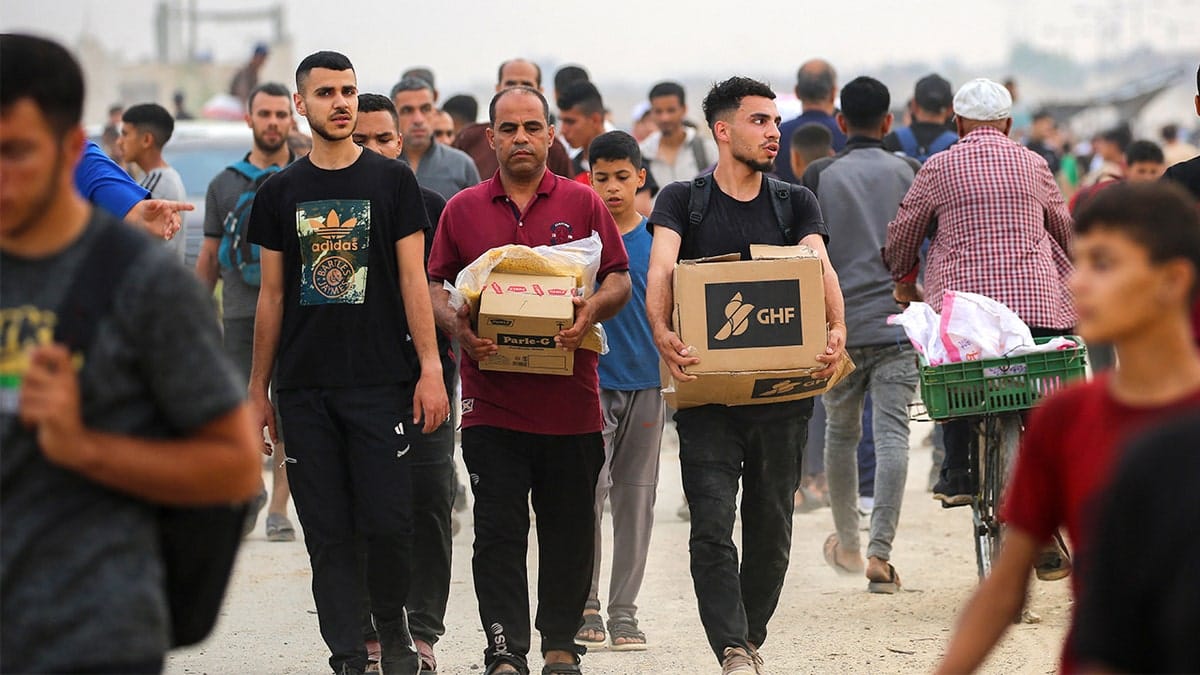
Qatar's pivotal role in mediating humanitarian aid for Gaza has been underscored by its consistent diplomatic engagement and financial support, especially during periods of heightened conflict. The most significant development in this regard was Qatar's intervention during the 2014 Gaza conflict, when it pledged $1 billion for reconstruction efforts at the Cairo Conference on Palestine, marking a substantial increase in its involvement.
Qatar's engagement with Gaza dates back to the early 2000s, but it gained prominence in 2008 during the Israeli military operation "Cast Lead," when Qatar began to position itself as a mediator. The 2012 conflict further solidified this role, as Qatar's Emir at the time, Sheikh Hamad bin Khalifa Al Thani, became the first head of state to visit Gaza since Hamas took control in 2007. This visit was not only symbolic but also accompanied by a pledge of $400 million for infrastructure projects, significantly boosting Qatar's influence in the region.
The timeline of Qatar's increased involvement is marked by its response to successive conflicts, including the 2014 and 2021 escalations. In each instance, Qatar has worked closely with international organizations and key regional players to facilitate the flow of humanitarian aid. The blockade imposed on Qatar by Saudi Arabia, the UAE, Bahrain, and Egypt in 2017 initially strained its regional relationships but also highlighted its independent foreign policy, allowing it to act as a neutral mediator in the Israeli-Palestinian conflict.
Qatar's efforts have been recognized by various international actors, including the United Nations, which has often coordinated with Doha to ensure the delivery of aid. This alignment with international legal frameworks, such as UN Resolution 1860, which calls for the unimpeded provision and distribution of humanitarian assistance, underscores Qatar's commitment to alleviating the humanitarian crisis in Gaza amidst ongoing regional tensions.
Qatar's foreign policy towards Gaza is characterized by a strategic blend of diplomacy, financial aid, and humanitarian efforts, positioning itself as a key mediator in the Israeli-Palestinian conflict. Historically, Qatar has maintained a pragmatic approach, engaging with various Palestinian factions, including Hamas, which has controlled Gaza since 2007. This engagement is rooted in Qatar's broader foreign policy objectives that emphasize dialogue and conflict resolution, often placing it at odds with other Gulf states that have taken a more hardline stance against Hamas.
Qatar's ties with Palestinian factions have evolved over the decades, with notable developments occurring in the early 2000s as Qatar began to assert its influence through financial aid and diplomatic initiatives. This approach was evident during the 2008-2009 Gaza conflict and subsequent escalations, where Qatar's financial contributions and diplomatic outreach were aimed at stabilizing the region and supporting reconstruction efforts. The visit of Sheikh Hamad bin Khalifa Al Thani to Gaza in 2012 marked a significant diplomatic gesture, reinforcing Qatar's commitment to the Palestinian cause and its willingness to engage directly with Hamas, despite international controversies surrounding the group.
In the broader Israeli-Palestinian conflict, Qatar has consistently advocated for a two-state solution, aligning itself with international consensus while also leveraging its unique position to facilitate dialogue between conflicting parties. This stance has allowed Qatar to act as an intermediary, often working alongside international organizations to broker ceasefires and ensure the delivery of humanitarian aid. Qatar's diplomatic efforts are further complemented by its media influence, particularly through Al Jazeera, which has played a crucial role in shaping international perceptions of the conflict. By maintaining open channels with all parties involved, Qatar continues to assert its role as a pivotal player in the quest for peace and stability in the region.
In the complex landscape of humanitarian aid for Gaza, several key actors play crucial roles. Among the major organizations involved are the United Nations Relief and Works Agency for Palestine Refugees in the Near East (UNRWA), the International Committee of the Red Cross (ICRC), and various non-governmental organizations (NGOs) that work tirelessly to provide essential services and support to the affected population. These organizations often collaborate with Qatar, recognizing its strategic position and capability to facilitate aid delivery amidst challenging circumstances.
Palestinian factions, particularly Hamas, which governs Gaza, have expressed support for Qatar's involvement, acknowledging its efforts in providing financial aid and facilitating reconstruction projects. Hamas views Qatar as a vital ally capable of circumventing the blockade that has severely restricted the flow of goods and services into the region. The Palestinian Authority, while sometimes critical of Hamas's governance, also appreciates Qatar's humanitarian contributions, albeit with occasional political reservations.
International responses to Qatar's mediation efforts have been varied. The United States and European Union have generally welcomed Qatar's role, especially when it aligns with broader international efforts to stabilize the region and address humanitarian needs. However, some Gulf states, particularly those involved in the 2017 blockade, have been more circumspect, wary of Qatar's engagement with Hamas, which they view with suspicion due to its ties to the Muslim Brotherhood.
Despite these differing perspectives, Qatar's mediation has been instrumental in opening channels for dialogue and aid, often acting as a bridge between conflicting parties. This role has not only enhanced Qatar's diplomatic standing but also underscored the importance of multilateral cooperation in addressing the humanitarian crisis in Gaza. As the situation evolves, Qatar's continued involvement is likely to remain a focal point of both regional and international diplomatic efforts.
The provision of humanitarian aid to Gaza is governed by a complex array of international laws and United Nations resolutions. Key among these is UN Security Council Resolution 1860, adopted in January 2009, which calls for the unimpeded provision and distribution of humanitarian assistance throughout Gaza. This resolution underscores the international community's commitment to ensuring that aid reaches those in need, despite ongoing conflicts. Additionally, the Fourth Geneva Convention, particularly Article 59, mandates that occupying powers must allow and facilitate rapid and unimpeded passage of humanitarian relief for civilians in need.
Qatar's involvement in mediating humanitarian aid aligns with these legal frameworks, as it seeks to facilitate the delivery of essential supplies and services to Gaza's population. By working closely with international organizations and adhering to established legal standards, Qatar ensures that its aid efforts are both effective and compliant with international law. This compliance is crucial, given the legal and logistical challenges that often accompany aid delivery in conflict zones. The blockade imposed on Gaza by Israel and Egypt presents significant obstacles, as it restricts the movement of goods and complicates the logistics of aid distribution.
Despite these challenges, Qatar has managed to navigate the legal landscape effectively, leveraging its diplomatic relations and strategic position to advocate for and facilitate humanitarian access. This has involved extensive coordination with various stakeholders, including the United Nations and other international bodies, to ensure that aid reaches its intended recipients. The ongoing conflict and the political complexities of the region continue to pose hurdles, but Qatar's adherence to international legal standards remains a cornerstone of its humanitarian strategy in Gaza.
The ongoing conflict in Gaza has had devastating consequences for civilian populations, with numerous reports highlighting severe human rights violations. According to data from the United Nations Office for the Coordination of Humanitarian Affairs (OCHA), the conflict has resulted in significant civilian casualties and widespread destruction of infrastructure. As of mid-2023, the UN reported that over 2,000 civilians had been killed, with thousands more injured, exacerbating the humanitarian crisis in the region.
Non-governmental organizations (NGOs) have been vocal in documenting and condemning these violations. Human Rights Watch and Amnesty International have published reports detailing indiscriminate attacks on civilian areas, the use of excessive force, and the destruction of homes and essential services, which they argue may constitute war crimes under international law. These organizations have called for independent investigations into these incidents and for accountability for those responsible.
The international community has responded with a mix of condemnation and calls for action. The United Nations Human Rights Council has passed resolutions urging all parties to the conflict to adhere to international humanitarian law and protect civilian lives. However, the political complexities surrounding the Israeli-Palestinian conflict often result in a lack of consensus on how to effectively address these human rights issues.
Qatar's role in mediating humanitarian aid is particularly significant in this context, as it seeks to alleviate the suffering of Gaza's civilian population amidst these human rights challenges. By facilitating aid and advocating for the protection of civilians, Qatar contributes to international efforts aimed at addressing the humanitarian crisis. The continued focus on human rights and humanitarian needs is essential for any long-term resolution to the conflict, underscoring the need for sustained international engagement and cooperation.
Qatar's mediation role in the humanitarian aid efforts for Gaza carries significant economic and strategic implications for the Gulf region. Economically, Qatar's involvement enhances its position as a key player in regional diplomacy, potentially attracting foreign investment and strengthening economic ties with global powers. By positioning itself as a mediator, Qatar not only underscores its commitment to humanitarian causes but also leverages its resources to gain influence in international forums. This strategy aligns with Qatar's broader foreign policy objectives, which emphasize diplomacy and international cooperation.
In terms of relations with other Gulf states, Qatar's actions in Gaza have been met with mixed reactions. While some Gulf Cooperation Council (GCC) members, such as Saudi Arabia and the United Arab Emirates, have historically had strained relations with Qatar due to differing political stances, Qatar's humanitarian efforts may serve as a bridge for dialogue and cooperation on shared regional concerns. However, the geopolitical dynamics remain complex, as these nations balance their own foreign policy agendas with regional stability and humanitarian considerations.
Globally, Qatar's proactive role in mediating aid for Gaza enhances its standing with international powers, including the United States and European Union, who view Qatar as a stabilizing force in a volatile region. This diplomatic engagement is crucial for Qatar, as it seeks to maintain its security and economic interests amidst shifting alliances and regional tensions. By demonstrating its ability to act as a reliable partner in humanitarian efforts, Qatar strengthens its diplomatic ties and reinforces its image as a nation committed to peace and stability.
Overall, Qatar's mediation efforts in Gaza not only address immediate humanitarian needs but also contribute to its long-term strategic goals, enhancing its influence both regionally and internationally. This dual focus on humanitarianism and strategic diplomacy underscores Qatar's nuanced approach to foreign policy in the Gulf region.
Qatar's mediation efforts in Gaza have elicited a range of responses from regional actors and the international community. Countries like Turkey and Iran have expressed support for Qatar's humanitarian initiatives, viewing them as essential contributions to alleviating the suffering in Gaza. Meanwhile, Western powers, including the United States and the European Union, have recognized Qatar's role as a stabilizing influence, which aligns with their interests in promoting regional peace and security.
However, Qatar's actions have also faced scrutiny and skepticism from some quarters. Israel, for instance, remains cautious about Qatar's involvement, given its support for Hamas in the past. This skepticism could pose challenges for Qatar as it navigates its diplomatic relations with Israel and other stakeholders in the conflict. Additionally, some Gulf Cooperation Council (GCC) members, such as Saudi Arabia and the United Arab Emirates, may view Qatar's growing influence with apprehension, given the historical tensions within the GCC.
Looking ahead, Qatar's continued engagement in Gaza presents both challenges and opportunities. The success of its mediation efforts could pave the way for broader diplomatic initiatives, potentially enhancing Qatar's role as a key mediator in the Middle East. However, Qatar must carefully balance its humanitarian objectives with the complex geopolitical realities of the region. This includes navigating its relationships with other Gulf states and maintaining its credibility as a neutral actor.
For Qatar, the next steps involve sustaining its humanitarian commitments while leveraging its diplomatic channels to foster dialogue and cooperation among conflicting parties. The international community will closely watch Qatar's actions, as its ability to mediate effectively in Gaza could set a precedent for future diplomatic efforts in other conflict zones. Ultimately, Qatar's strategic diplomacy and humanitarian focus will be critical in shaping its role in the evolving geopolitical landscape of the Middle East.