Qatar's Crucial Role in Mediating Humanitarian Aid for Gaza Amidst Conflict Escalation
Exploring Qatar's increased mediation efforts for Gaza amid conflict and its implications.
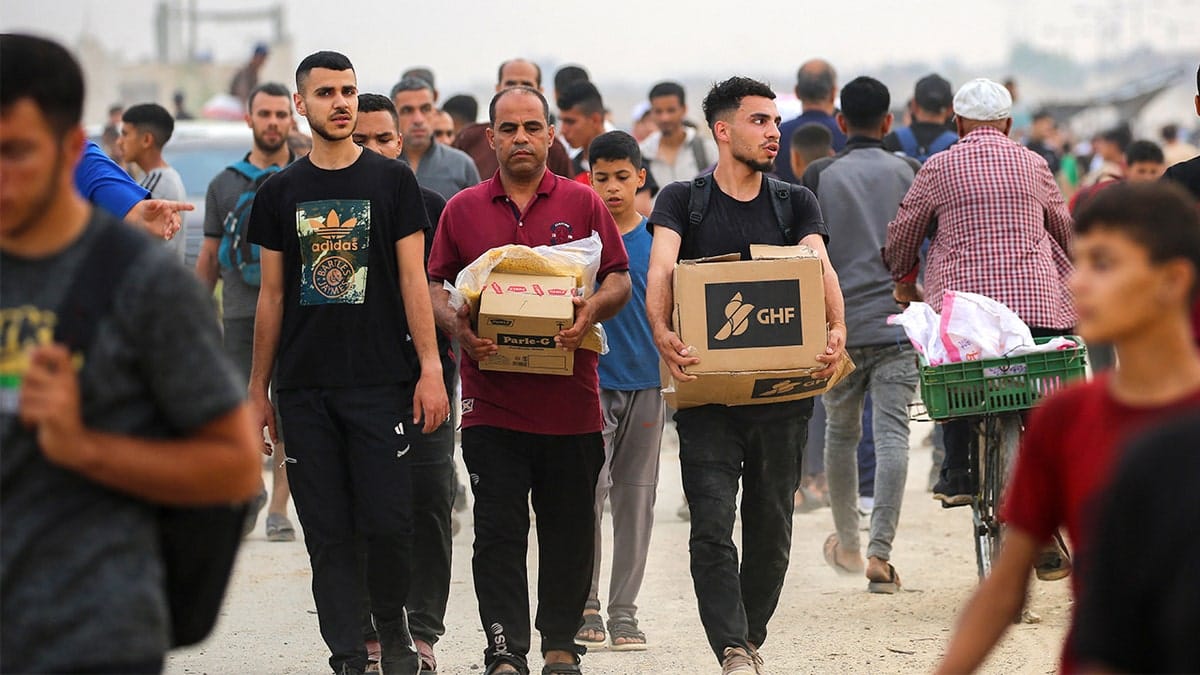
In the wake of the recent escalation of violence in Gaza, Qatar has emerged as a pivotal mediator, channeling humanitarian aid to the beleaguered region. The conflict, which intensified in October 2023, has seen a significant increase in casualties and destruction, prompting urgent international calls for assistance. Qatar's response has been swift and multifaceted, underscoring its commitment to alleviating the humanitarian crisis.
Qatar has taken decisive steps to facilitate the delivery of aid, working closely with international organizations and non-governmental organizations (NGOs). The Qatari government has coordinated with the United Nations Relief and Works Agency for Palestine Refugees in the Near East (UNRWA) to ensure the timely distribution of essential supplies, including food, medical aid, and shelter materials. This collaboration is part of Qatar's broader strategy to support Gaza, which also includes financial contributions aimed at rebuilding critical infrastructure devastated by the ongoing conflict.
Furthermore, Qatar has engaged in diplomatic efforts to secure safe passage for aid convoys, negotiating with various stakeholders to mitigate the impact of blockades and restrictions. These efforts have been instrumental in maintaining a flow of humanitarian assistance into Gaza, despite the challenging security environment. Qatar's partnerships with NGOs such as the Qatar Red Crescent Society have been crucial in executing on-the-ground operations, providing direct relief to affected populations.
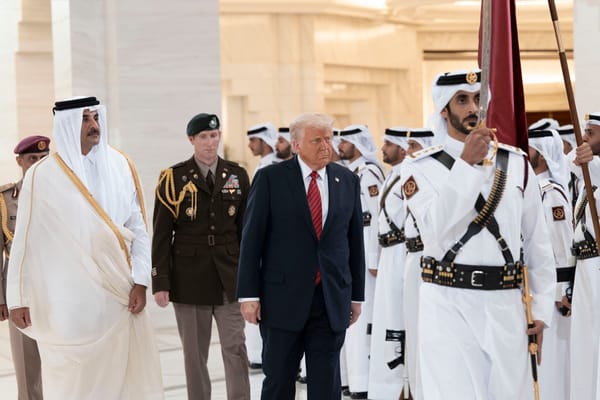
Qatar's proactive approach in addressing the humanitarian needs of Gaza reflects its long-standing role as a mediator in the Israeli-Palestinian conflict. By leveraging its diplomatic channels and resources, Qatar continues to play a critical role in the region, advocating for peace and stability while addressing the immediate needs of those affected by the conflict.
Qatar's involvement in Gaza and the broader Palestinian cause is deeply rooted in its historical foreign policy, characterized by a commitment to regional diplomacy and humanitarian support. Since the early 2000s, Qatar has positioned itself as a key player in Middle East diplomacy, often acting as a mediator in conflicts where other nations have faltered. This approach is partly driven by Qatar's desire to assert its influence on the regional stage, balancing relationships with both Western powers and regional actors.
Historically, Qatar has maintained strong ties with Palestinian factions, including Hamas, which governs Gaza. This relationship has allowed Qatar to act as an intermediary in negotiations and aid distribution, particularly during periods of heightened conflict. The Qatari government has consistently advocated for Palestinian rights and has been a vocal supporter of a two-state solution, aligning with international calls for peace and justice in the region.
Regional politics have also shaped Qatar's mediation efforts. The Gulf state's foreign policy is influenced by its strategic need to navigate complex relations with neighboring countries, including Saudi Arabia and the United Arab Emirates, which have at times been critical of Qatar's independent diplomatic initiatives. Despite these challenges, Qatar has leveraged its vast natural gas wealth to fund humanitarian projects and infrastructure development in Gaza, reinforcing its role as a humanitarian leader.
Qatar's strategic interests in maintaining a diplomatic role are multifaceted. By engaging in mediation and aid efforts, Qatar not only enhances its international standing but also ensures its security and economic interests are safeguarded. This diplomatic engagement allows Qatar to foster alliances and partnerships that are crucial for its long-term geopolitical strategy, positioning itself as a pivotal actor in the Middle East peace process.
The humanitarian aid efforts in Gaza involve a complex network of key actors, each playing a distinct role in addressing the needs of the population amidst ongoing conflict. Among these, the United Nations Relief and Works Agency for Palestine Refugees in the Near East (UNRWA) is a prominent figure, providing essential services such as education, health care, and emergency relief to Palestinian refugees. UNRWA has recognized Qatar's contributions, particularly its financial support, as vital in sustaining its operations in the region.
Non-governmental organizations (NGOs) like the Qatar Red Crescent Society and international bodies such as the International Committee of the Red Cross (ICRC) are also deeply involved in the humanitarian landscape. These organizations often collaborate with Qatar to facilitate aid delivery, leveraging Qatar's diplomatic channels to navigate the complex political terrain. The Qatar Red Crescent Society, in particular, has been instrumental in implementing aid projects on the ground, working closely with local partners to ensure the effective distribution of resources.
Qatar's mediation role is generally viewed positively by these actors, who appreciate its ability to negotiate access and secure funding. However, some regional powers, notably Israel and certain Gulf Cooperation Council (GCC) members, have expressed reservations about Qatar's ties with Hamas. Despite this, Qatar's diplomatic efforts have been crucial in maintaining dialogue and ensuring aid reaches those in need.
The dynamics of collaboration among these stakeholders are characterized by a shared goal of alleviating human suffering, though differing political agendas can sometimes complicate coordination. Nonetheless, Qatar's strategic positioning and financial commitments have made it an indispensable partner in the humanitarian aid framework for Gaza, facilitating cooperation and enhancing the overall effectiveness of aid efforts in the region.
The legal framework governing humanitarian aid in conflict zones is primarily shaped by international laws and United Nations resolutions, which establish the guidelines for the provision and protection of aid. Key among these is the Fourth Geneva Convention of 1949, which outlines the responsibilities of occupying powers to ensure the welfare of civilian populations, including the facilitation of relief efforts. This convention underscores the necessity for all parties in a conflict to allow and facilitate rapid and unimpeded passage of humanitarian aid.
In the context of Gaza, UN Security Council Resolution 1860, adopted in January 2009, calls for the unimpeded provision and distribution of humanitarian assistance throughout the region. This resolution is particularly pertinent to Qatar's actions, as it provides a legal basis for its mediation efforts and underscores the international community's expectation for aid to reach those in need without obstruction.
International humanitarian law, as codified in various treaties and customary international law, mandates that all parties to a conflict must distinguish between combatants and civilians, ensuring that humanitarian aid is not only delivered but also protected from interference. This legal framework supports Qatar's diplomatic initiatives in negotiating access for aid convoys and securing safe passage for humanitarian workers.
Qatar's adherence to these international legal standards enhances its legitimacy as a mediator and facilitator of aid in Gaza. By aligning its actions with established legal norms, Qatar not only fulfills its humanitarian obligations but also strengthens its diplomatic standing, allowing it to effectively navigate the geopolitical complexities of the region. This legal compliance is crucial in garnering international support and cooperation, ensuring that aid efforts are both lawful and effective in alleviating the humanitarian crisis in Gaza.
The humanitarian situation in Gaza has reached a critical point, with the ongoing conflict exacerbating the already dire conditions faced by its civilian population. According to recent reports from organizations such as the United Nations Office for the Coordination of Humanitarian Affairs (OCHA) and the International Committee of the Red Cross (ICRC), the escalation of hostilities has resulted in significant casualties and widespread destruction of infrastructure. As of October 2023, thousands of civilians have been displaced, with many seeking refuge in overcrowded shelters lacking basic necessities.
Non-governmental organizations (NGOs) operating in the region have documented severe shortages of essential supplies, including food, clean water, and medical resources. The World Health Organization (WHO) has highlighted the strain on Gaza's healthcare system, which is struggling to cope with the influx of wounded individuals amidst a backdrop of limited medical supplies and damaged facilities. The lack of electricity further complicates the situation, hindering the operation of hospitals and the storage of perishable goods.
The delivery of humanitarian aid faces numerous obstacles, primarily due to the ongoing security concerns and restrictions imposed on access points. Despite international calls for the protection and facilitation of aid, the volatile security environment poses significant risks to aid convoys and humanitarian workers. The blockade and periodic closures of border crossings have further impeded the timely delivery of assistance, leaving many in urgent need.
Efforts by Qatar and other mediators to negotiate safe passage for aid are critical in addressing these challenges. However, the complex political landscape and differing priorities among regional actors continue to complicate coordination efforts. The resilience of Gaza's civilian population is being severely tested, and the international community's commitment to ensuring the delivery of humanitarian aid remains a crucial factor in mitigating the human suffering witnessed in the region.
Qatar's mediation role in the humanitarian aid efforts for Gaza carries significant economic and strategic implications for the Gulf region. As a key player in facilitating aid, Qatar enhances its regional influence and solidifies its position as a diplomatic intermediary in Middle Eastern affairs. This role not only underscores Qatar's commitment to humanitarian principles but also strategically positions it as a pivotal actor in the Israeli-Palestinian conflict, a stance that may yield long-term geopolitical benefits.
Economically, Qatar's involvement in Gaza aid efforts could strengthen its trade and investment ties with countries that support its mediation initiatives. By aligning itself with international humanitarian goals, Qatar potentially attracts foreign investments and partnerships, particularly from Western nations keen on supporting peaceful resolutions in the region. Furthermore, Qatar's proactive engagement in Gaza could bolster its soft power, enhancing its global image as a nation committed to peace and humanitarianism.
Regionally, Qatar's mediation efforts have nuanced implications for its relationships with neighboring Gulf countries. While some states, such as Saudi Arabia and the United Arab Emirates, have historically had tense relations with Qatar due to differing foreign policy approaches, Qatar's role in Gaza may serve as a platform for dialogue and cooperation on shared humanitarian objectives. However, it also risks exacerbating existing tensions if perceived as an attempt to outmaneuver regional rivals in influence and diplomatic clout.
Strategically, Qatar's involvement in Gaza positions it as a key interlocutor between conflicting parties, potentially allowing it to leverage its role for broader regional influence. This could facilitate Qatar's ambitions to mediate other regional disputes, thereby enhancing its standing as a central diplomatic hub in the Gulf. Ultimately, Qatar's mediation in Gaza not only addresses immediate humanitarian needs but also shapes its long-term strategic and economic landscape in the region.
The regional and international reactions to Qatar's mediation efforts in Gaza have been mixed, reflecting the complex geopolitical landscape of the Middle East. Key regional actors such as Egypt and Jordan have expressed cautious support for Qatar's role, recognizing the potential for Qatar to facilitate humanitarian aid and dialogue. However, some Gulf Cooperation Council (GCC) members, notably Saudi Arabia and the United Arab Emirates, remain wary of Qatar's intentions, viewing its actions as a bid to expand influence at their expense. This skepticism is rooted in the historical tensions that have characterized intra-GCC relations, particularly since the 2017 blockade against Qatar.
Internationally, Qatar's mediation has been met with approval from Western nations, including the United States and European Union members, who view Qatar's involvement as a constructive step towards alleviating the humanitarian crisis in Gaza. The United Nations has also acknowledged Qatar's efforts, aligning with its resolutions such as UN Resolution 1860, which calls for unimpeded humanitarian assistance in conflict zones. These endorsements enhance Qatar's diplomatic standing but also place it under scrutiny to deliver tangible outcomes.
The implications for regional diplomacy are significant. Qatar's mediation could lead to a recalibration of alliances, potentially fostering new partnerships with countries that prioritize humanitarian objectives. Conversely, it could exacerbate existing rivalries if perceived as undermining the influence of other regional powers. The evolving dynamics will be crucial to monitor, particularly in the context of upcoming diplomatic summits and negotiations.
Looking ahead, the success of Qatar's mediation efforts will depend on its ability to navigate the intricate web of regional politics while maintaining its commitment to humanitarian principles. The next few months will be critical, as Qatar seeks to solidify its role and influence in the region. Observers should watch for shifts in regional alliances, the response of key international actors, and the impact of Qatar's actions on the ground in Gaza. Ultimately, Qatar's engagement in Gaza presents both opportunities and challenges, with the potential to reshape the geopolitical landscape of the Gulf and beyond.