Qatar's Crucial Role in Mediating Humanitarian Aid Efforts in Gaza
Exploring Qatar's mediation in Gaza's humanitarian crisis amidst ongoing conflict.
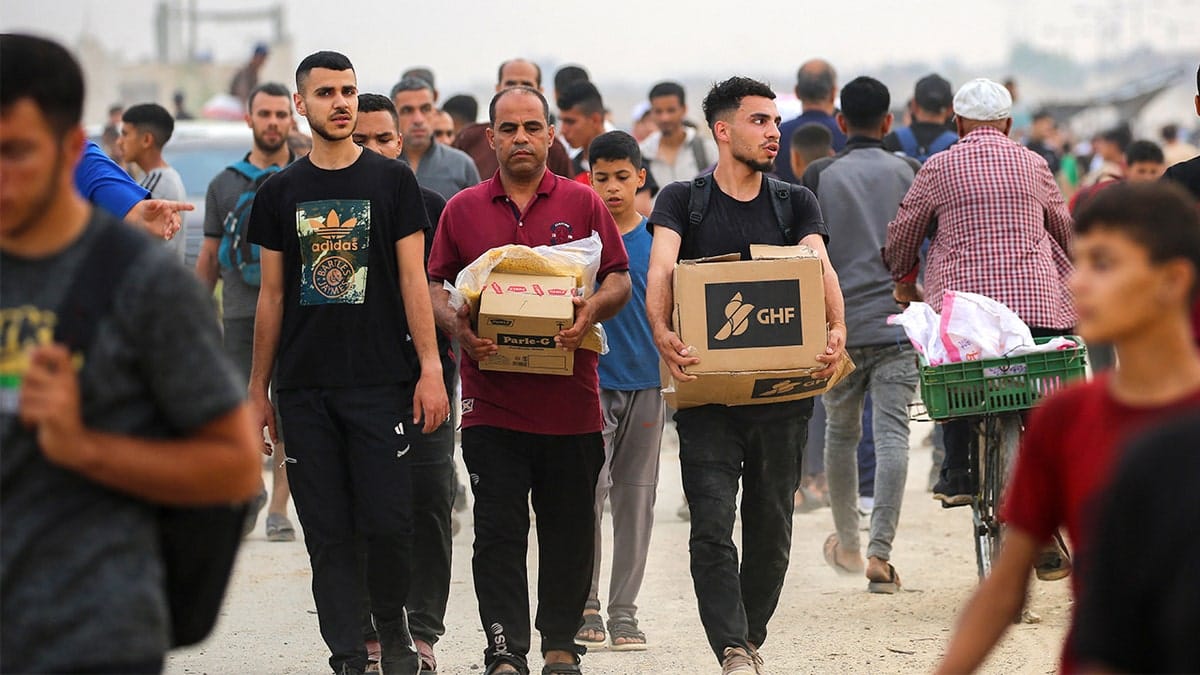
Since the escalation of hostilities in Gaza in May 2023, humanitarian aid efforts have faced significant obstacles, with Qatar emerging as a crucial mediator and provider of aid. The ongoing conflict has resulted in over 1,500 casualties, according to reports from the United Nations Office for the Coordination of Humanitarian Affairs (OCHA), exacerbating the already dire humanitarian situation in the region.
Qatar has played a pivotal role in facilitating humanitarian assistance to Gaza, leveraging its diplomatic channels to negotiate temporary ceasefires that allow for the delivery of essential supplies. In June 2023, Qatar brokered an agreement that enabled the entry of 150 truckloads of food, medical supplies, and fuel into the besieged enclave, a significant relief effort coordinated with international organizations such as the World Food Programme and the International Committee of the Red Cross.
Despite these efforts, the delivery of aid has been fraught with challenges. The ongoing military operations have repeatedly disrupted supply chains, and the closure of border crossings has further complicated logistics. The Rafah crossing, a critical entry point for aid, has been intermittently closed due to security concerns, delaying the entry of much-needed supplies. Additionally, the destruction of infrastructure has impeded the distribution of aid within Gaza, leaving many areas inaccessible.
Qatar's initiatives are part of a broader strategy to alleviate the humanitarian crisis while navigating the complex political landscape. Its efforts have been met with varying reactions from regional and international actors, reflecting the intricate dynamics at play. Nonetheless, Qatar's commitment to providing humanitarian aid underscores its strategic role in the region, as it continues to advocate for peaceful resolutions and support for the Palestinian population amidst ongoing hostilities.
Qatar's involvement in Gaza dates back to the early 2000s, marking a significant chapter in its foreign policy. Initially, Qatar's engagement was primarily humanitarian, focusing on reconstruction efforts following conflicts. However, its role evolved as it began to mediate between various Palestinian factions, most notably Hamas, which has governed Gaza since 2007. Qatar's relationship with Hamas has been multifaceted, characterized by both diplomatic support and financial assistance. In 2012, Qatar's then-Emir, Sheikh Hamad bin Khalifa Al Thani, made a historic visit to Gaza, pledging $400 million for reconstruction projects, a move that underscored Qatar's commitment to the region.
Over the years, Qatar's political stance towards Gaza has been shaped by its broader regional strategy, which seeks to balance relations with both Western allies and regional powers. This strategy has often placed Qatar at odds with other Gulf Cooperation Council (GCC) members, particularly Saudi Arabia and the United Arab Emirates, who view Hamas with suspicion due to its ties to the Muslim Brotherhood. Despite these tensions, Qatar has maintained its support for Gaza, emphasizing the humanitarian imperative and the need for dialogue.
Historically, Qatar's ties with Gaza have facilitated its current humanitarian efforts, providing it with the necessary leverage to act as a mediator. The country's established channels with Hamas have enabled it to negotiate ceasefires and aid deliveries effectively. This historical engagement has also allowed Qatar to position itself as a key player in the region, advocating for peace and stability while addressing the immediate needs of the Palestinian population. As a result, Qatar's longstanding involvement in Gaza continues to influence its role in the ongoing humanitarian crisis, reflecting its commitment to both political and humanitarian objectives.
The humanitarian aid landscape in Gaza is shaped by a complex web of actors, each playing a crucial role in the delivery and coordination of assistance. Among the primary entities are international organizations such as the United Nations Relief and Works Agency for Palestine Refugees in the Near East (UNRWA), which has been pivotal in providing education, health care, and emergency relief to Palestinian refugees. The International Committee of the Red Cross (ICRC) also plays a significant role, focusing on medical aid and the protection of civilians.
Qatar's mediation efforts have been acknowledged by several key players. The UN has often highlighted Qatar's contributions, noting its financial support and diplomatic engagement as essential in facilitating aid flows. Qatar's ability to negotiate with Hamas has been particularly significant, allowing for the smoother delivery of humanitarian supplies. This role has been supported by Turkey, which shares Qatar's stance on engaging with Hamas as a legitimate political entity. However, this approach has faced criticism from other regional powers, such as Egypt and Saudi Arabia, who remain wary of Hamas due to its ideological affiliations.
Non-governmental organizations (NGOs) like Médecins Sans Frontières (Doctors Without Borders) and Oxfam are also active in the region, often collaborating with local partners to maximize their impact. These organizations generally view Qatar's involvement positively, recognizing its efforts to ensure aid reaches those in need despite political and logistical challenges. However, tensions occasionally arise when differing priorities or political considerations come into play, particularly concerning the distribution of resources and the management of cross-border aid operations.
Overall, Qatar's role as a mediator and donor in Gaza's humanitarian aid efforts is a testament to its strategic engagement in the region. While its actions have garnered both support and skepticism, Qatar's involvement remains a critical component of the broader humanitarian response, navigating the intricate balance between political alliances and humanitarian imperatives.
The delivery of humanitarian aid in conflict zones such as Gaza is governed by a series of international laws and United Nations resolutions designed to ensure the protection of civilians and the unobstructed flow of essential assistance. Key among these is the Fourth Geneva Convention of 1949, which outlines the obligations of occupying powers to provide for the needs of the civilian population and facilitate relief efforts. Additionally, UN Security Council Resolution 242, passed in 1967, calls for the withdrawal of armed forces from territories occupied in conflict and emphasizes the need for a just and lasting peace, indirectly supporting humanitarian efforts by advocating for stability.
Qatar's actions in Gaza must navigate these legal frameworks while addressing the complex realities on the ground. The country's mediation efforts and financial contributions are aligned with international calls for humanitarian access, as seen in UN General Assembly Resolution 46/182, which emphasizes the need for impartial and non-discriminatory aid delivery. However, Qatar faces legal challenges in ensuring that aid reaches those in need without being diverted for military purposes. This is particularly pertinent given the ongoing blockade and restrictions imposed by Israel and Egypt, which complicate the logistics of aid distribution and require careful negotiation to comply with international law.
Moreover, Qatar's engagement with Hamas, considered a terrorist organization by some countries, adds another layer of complexity. While Qatar's diplomatic channels facilitate aid delivery, they also attract scrutiny and necessitate adherence to international counter-terrorism laws. Despite these challenges, Qatar continues to work within the legal frameworks to advocate for humanitarian access, demonstrating a commitment to both international law and the humanitarian needs of the Palestinian people. This delicate balance underscores the intricate legal landscape that Qatar and other actors must navigate in their efforts to provide aid to Gaza.
The ongoing conflict in Gaza has severely impacted civilian access to humanitarian aid, exacerbating an already dire human rights situation. The blockade imposed by Israel and Egypt has significantly restricted the movement of goods and people, leading to shortages of essential supplies, including food, medicine, and fuel. This has resulted in a humanitarian crisis, with reports from organizations like Human Rights Watch and Amnesty International highlighting the severe deprivation faced by the civilian population.
NGOs operating in the region have documented numerous human rights violations, including the targeting of civilian infrastructure and the use of excessive force. The United Nations Office for the Coordination of Humanitarian Affairs (OCHA) has reported that over 2 million people in Gaza are in need of humanitarian assistance, with many lacking access to clean water and adequate healthcare. The destruction of homes and displacement of families further compound the challenges, making the delivery of aid both urgent and complex.
In response to these human rights concerns, Qatar has intensified its mediation efforts to facilitate the flow of humanitarian aid into Gaza. By leveraging its diplomatic relationships, Qatar has worked to negotiate temporary ceasefires and secure entry points for aid convoys. The Qatari government has also pledged substantial financial support to rebuild infrastructure and provide immediate relief to affected communities. Despite facing criticism for its engagement with Hamas, Qatar maintains that its primary focus is on alleviating the humanitarian suffering of the Palestinian people.
Qatar's commitment to addressing human rights issues in Gaza is evident in its active participation in international forums and its advocacy for the protection of civilians. By aligning its actions with international humanitarian principles, Qatar seeks to ensure that aid reaches those most in need, while also navigating the complex geopolitical landscape that influences the region's stability and security.
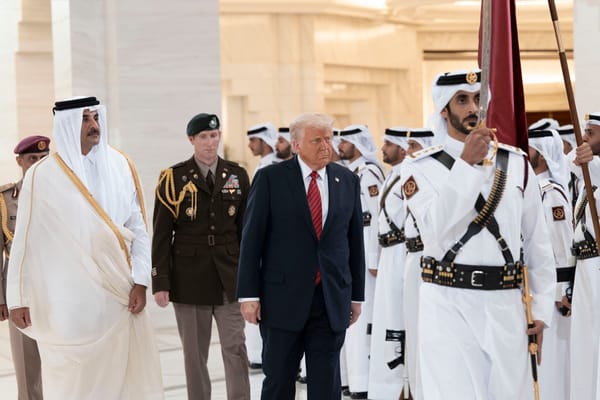
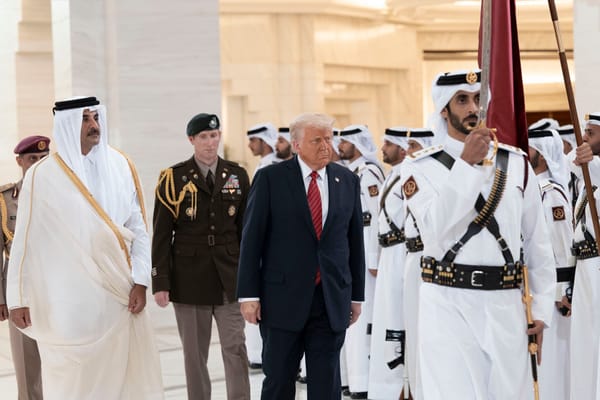
Qatar's mediation efforts in Gaza carry significant economic and strategic implications for the Gulf region. As a small but influential state, Qatar's proactive role in humanitarian aid underscores its broader geopolitical strategy to position itself as a key mediator in Middle Eastern conflicts. This strategy enhances Qatar's diplomatic leverage and elevates its standing among international partners, including the United States and European Union, who view Qatar as a crucial interlocutor in the complex dynamics of the Israeli-Palestinian conflict.
Economically, Qatar's involvement in Gaza presents both opportunities and risks. By investing in humanitarian aid and infrastructure projects, Qatar not only aids the Palestinian population but also strengthens its economic ties with international organizations and donor countries. These investments can yield long-term benefits by fostering economic stability in Gaza, which could lead to reduced regional tensions and open new avenues for trade and cooperation. However, Qatar's engagement with Hamas, despite its humanitarian focus, poses potential risks. It could strain relations with other Gulf Cooperation Council (GCC) members, such as Saudi Arabia and the United Arab Emirates, who may view Qatar's actions as aligning too closely with groups they consider adversarial.
Strategically, Qatar's actions in Gaza are part of a broader effort to assert its influence in the Gulf region. By differentiating itself from its neighbors through active diplomacy and humanitarian initiatives, Qatar seeks to maintain its autonomy and protect its interests amidst regional rivalries. This approach has been evident since the 2017 GCC crisis, when Qatar faced a blockade by Saudi Arabia, the UAE, Bahrain, and Egypt. The resolution of the crisis in January 2021 has allowed Qatar to re-engage with its neighbors, but its independent foreign policy continues to shape its regional interactions. Through its mediation efforts, Qatar not only addresses immediate humanitarian needs but also reinforces its role as a pivotal player in the Gulf's geopolitical landscape.
International reactions to Qatar's mediation role in Gaza have been mixed, reflecting the complex web of alliances and rivalries in the region. The United States and European Union have generally welcomed Qatar's involvement, viewing it as a stabilizing force capable of facilitating dialogue and delivering essential aid. This support enhances Qatar's diplomatic capital, allowing it to act as a bridge between Western powers and regional actors. Conversely, some Gulf Cooperation Council (GCC) members, particularly Saudi Arabia and the United Arab Emirates, remain cautious. They perceive Qatar's engagement with Hamas as a potential threat to regional security, given their own adversarial stance towards the group.
These varied responses have significant implications for Qatar's diplomatic relations. While its role in Gaza strengthens ties with Western allies, it also necessitates careful navigation of intra-GCC dynamics. Qatar's ability to maintain its independent foreign policy while fostering cooperation with its neighbors will be crucial in determining its future influence in Middle Eastern diplomacy. The regional landscape is further complicated by Iran's support for Hamas, which adds another layer of complexity to Qatar's mediation efforts.
Looking ahead, Qatar's continued involvement in Gaza will likely focus on sustaining humanitarian aid and infrastructure development. However, the evolving political situation, including potential shifts in Israeli-Palestinian relations and changes in U.S. foreign policy, could alter the parameters of Qatar's engagement. Observers should watch for Qatar's diplomatic maneuvers within the GCC and its interactions with key international stakeholders. Ultimately, Qatar's strategic positioning as a mediator in Gaza not only addresses immediate humanitarian needs but also reinforces its long-term role as a significant diplomatic actor in the region. This dual focus on humanitarian and geopolitical objectives will shape Qatar's influence and relationships in the years to come.