Qatar's Crucial Role in Gaza: Mediating Humanitarian Aid Amidst Conflict
Exploring Qatar's involvement in Gaza's humanitarian crisis and its regional implications.
Qatar's involvement in humanitarian aid efforts in Gaza has been necessitated by a series of escalating conflicts, most notably the intense military confrontations that began in May 2021. This period marked one of the deadliest escalations since the 2014 Gaza War, resulting in significant humanitarian needs.
The conflict in May 2021 erupted following rising tensions in East Jerusalem, particularly around the Sheikh Jarrah neighborhood and the Al-Aqsa Mosque. On May 10, 2021, Hamas launched rockets into Israel, prompting a severe military response. Over the course of 11 days, Israeli airstrikes targeted Gaza, leading to widespread destruction. According to the United Nations Office for the Coordination of Humanitarian Affairs (OCHA), the violence resulted in the deaths of 256 Palestinians, including 66 children, and injured over 1,900 individuals. The infrastructure damage was extensive, with over 1,000 housing units destroyed and another 14,000 units suffering damage, displacing tens of thousands of residents.
Qatar's response to these events was swift, as it pledged $500 million in aid for reconstruction efforts in Gaza. This commitment was part of Qatar's ongoing role as a mediator and supporter of humanitarian initiatives in the region, a role it has played since the 2008-2009 Gaza conflict. The situation in Gaza has been further exacerbated by the blockade imposed by Israel and Egypt since 2007, which has severely restricted the movement of goods and people, contributing to the humanitarian crisis.
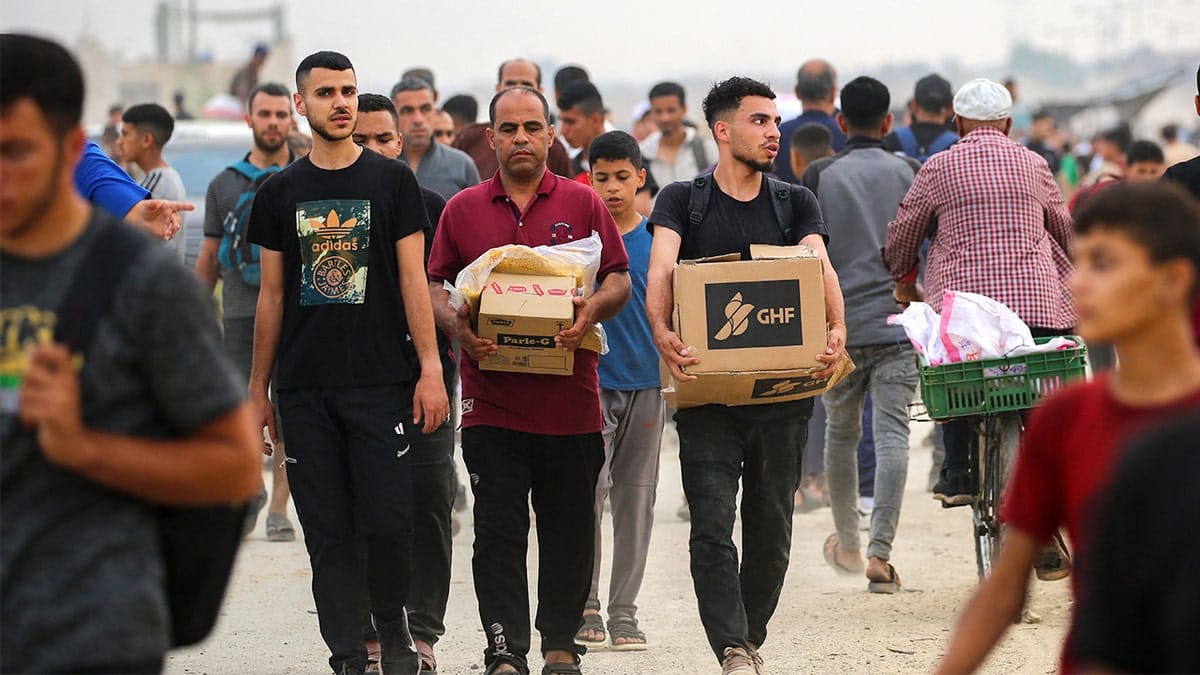
The impact on civilian populations has been profound, with the United Nations Relief and Works Agency for Palestine Refugees in the Near East (UNRWA) reporting that over 80% of Gaza's population relies on international aid. The destruction of infrastructure has led to critical shortages of electricity, clean water, and medical supplies, further highlighting the urgent need for humanitarian assistance. Qatar's involvement in providing aid and facilitating dialogue underscores its strategic role in addressing the humanitarian needs arising from these conflicts.
Qatar's diplomatic relations with Gaza have been shaped by a history of active engagement and mediation in the region's conflicts. Since the early 2000s, Qatar has positioned itself as a key player in Middle Eastern diplomacy, often stepping in to mediate and provide humanitarian aid during periods of heightened tension. The blockade of Gaza, imposed by Israel and Egypt in 2007, marked a significant turning point, as Qatar began to increase its involvement in the territory, both politically and economically.
Qatar's role in mediating conflicts in Gaza became particularly prominent during the 2008-2009 Gaza conflict, also known as Operation Cast Lead. During this period, Qatar facilitated dialogue between conflicting parties and provided substantial humanitarian aid to alleviate the suffering of civilians. This involvement was part of a broader strategy to assert its influence in regional politics and to support Palestinian self-determination.
Over the years, Qatar has continued to play a crucial role in mediating ceasefires and supporting reconstruction efforts in Gaza. Its foreign policy towards Gaza has evolved to focus not only on immediate humanitarian needs but also on long-term development projects. This includes investments in infrastructure, education, and healthcare, aimed at improving the living conditions of Gazans and reducing the impact of the ongoing blockade.
Qatar's engagement in Gaza is also reflective of its broader foreign policy strategy, which emphasizes dialogue and diplomacy over military intervention. By maintaining open channels of communication with various Palestinian factions, including Hamas, Qatar has positioned itself as a neutral mediator capable of facilitating negotiations and easing tensions. This approach has allowed Qatar to maintain its influence in Gaza, while also navigating the complex geopolitical landscape of the Middle East.
In the complex landscape of humanitarian aid efforts in Gaza, several key actors play pivotal roles. Among these, the United Nations Relief and Works Agency for Palestine Refugees in the Near East (UNRWA) stands out as a primary provider of essential services, including education, health care, and emergency relief. UNRWA's operations are crucial in a region where over 80% of the population relies on international aid, and its collaboration with Qatar has been instrumental in delivering much-needed assistance.
Qatar itself is a significant actor, not only as a donor but also as a mediator. Its commitment of $500 million for reconstruction efforts underscores its strategic involvement in addressing both immediate and long-term needs in Gaza. Qatar's ability to maintain open lines of communication with various Palestinian factions, including Hamas, has positioned it as a unique player capable of facilitating dialogue and easing tensions.
The State of Israel and Egypt are also critical stakeholders due to their control over Gaza's borders. Their blockade, in place since 2007, has been a major factor in the humanitarian crisis, affecting the movement of goods and people. While both countries have expressed concerns over Qatar's engagement with Hamas, they have also recognized Qatar's role in mediating ceasefires and reducing hostilities.
Internationally, the United States and the European Union have shown support for Qatar's humanitarian initiatives, viewing them as stabilizing efforts in a volatile region. However, these actors also emphasize the importance of ensuring that aid does not inadvertently support militant activities.
The dynamics among these stakeholders are complex, characterized by both collaboration and competition. While there is a shared interest in alleviating the humanitarian crisis, differing political agendas and security concerns often complicate coordination efforts. Nevertheless, Qatar's diplomatic agility allows it to navigate these challenges, reinforcing its role as a key mediator in Gaza's humanitarian aid landscape.
Humanitarian aid in conflict zones like Gaza is governed by a complex web of international legal frameworks and United Nations resolutions. Central to these is the Fourth Geneva Convention, which outlines the obligations of occupying powers to ensure the welfare of civilians in occupied territories. This convention mandates the provision of food, medical care, and other essentials, forming the legal backbone for humanitarian efforts in Gaza.
UN Security Council Resolution 242, adopted in 1967, calls for the withdrawal of Israeli armed forces from territories occupied in the recent conflict and emphasizes the necessity for achieving a just settlement of the refugee problem. This resolution, while primarily political, indirectly influences humanitarian operations by framing the broader context of occupation and conflict resolution.
Qatar's humanitarian actions in Gaza are further supported by UN General Assembly resolutions, which regularly call for increased international aid and support for Palestinian civilians. These resolutions, although non-binding, provide a moral and political impetus for countries like Qatar to engage in aid efforts, highlighting the international community's recognition of the dire humanitarian situation.
Despite these frameworks, Qatar faces significant challenges in delivering aid due to the legal constraints imposed by the ongoing blockade and the complex security environment. The blockade, enforced by Israel and Egypt, complicates the logistics of aid delivery, often requiring negotiations to ensure the passage of goods and personnel. Additionally, the need to comply with international laws that prevent aid from inadvertently supporting militant activities adds another layer of complexity.
Qatar's ability to navigate these legal and logistical hurdles is crucial for the success of its humanitarian initiatives. By adhering to international legal standards and maintaining diplomatic channels, Qatar continues to play a vital role in mitigating the humanitarian crisis in Gaza, despite the formidable challenges posed by the conflict's legal and political landscape.
The humanitarian situation in Gaza remains dire, exacerbated by ongoing conflict and the blockade. Reports from NGOs such as Human Rights Watch and Amnesty International have documented extensive human rights violations affecting the civilian population. These include restrictions on movement, inadequate access to essential services, and the destruction of infrastructure, all of which have severe repercussions on daily life.
One of the most pressing issues is the lack of access to clean water and electricity, which affects health services and sanitation. According to the United Nations Office for the Coordination of Humanitarian Affairs (OCHA), over 90% of Gaza's water is unfit for human consumption, leading to widespread health problems. The health sector is further strained by shortages of medical supplies and equipment, with hospitals often operating at overcapacity due to frequent casualties from hostilities.
Human rights organizations have also highlighted the psychological impact of the conflict on Gaza's civilians, particularly children. The constant threat of violence and the experience of loss have led to high levels of trauma and stress-related disorders. Educational disruptions are another significant concern, with schools damaged or destroyed and many children unable to attend classes regularly.
The long-term implications of these human rights violations are profound. The persistent humanitarian crisis hampers economic development and undermines efforts for recovery and reconstruction. The blockade and recurrent conflicts have led to high unemployment rates, particularly among the youth, which in turn fuels cycles of poverty and instability. Without significant international intervention and a sustainable peace process, the prospects for improving civilian life in Gaza remain bleak.
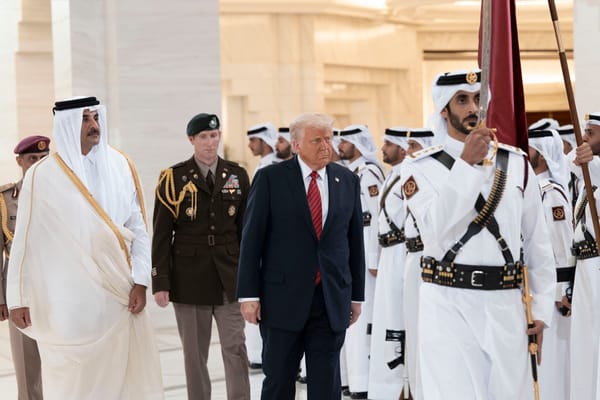
Qatar's involvement in Gaza's humanitarian crisis is not only a reflection of its commitment to international aid but also a strategic maneuver within the complex landscape of Gulf politics. As a small but influential state, Qatar has historically positioned itself as a mediator in regional conflicts, leveraging its substantial financial resources and diplomatic networks. This role in Gaza enhances Qatar's soft power, allowing it to assert influence in a region dominated by larger powers such as Saudi Arabia and the United Arab Emirates.
Qatar's humanitarian efforts in Gaza have nuanced implications for its relationships with neighboring countries. While its support for Gaza aligns with its broader foreign policy of backing Islamist movements, it has also led to tensions with countries like Egypt and Saudi Arabia, which view Hamas with suspicion. Nonetheless, Qatar's ability to maintain open channels with various actors, including Israel and the Palestinian Authority, underscores its unique diplomatic position. This balancing act is crucial for Qatar to sustain its role as a mediator while managing regional rivalries.
Strategically, Qatar's involvement in Gaza offers both advantages and risks. On one hand, it bolsters Qatar's image as a humanitarian leader and a key player in Middle Eastern politics. On the other hand, it risks exacerbating tensions with countries that perceive its actions as undermining their interests. The blockade imposed on Qatar by Saudi Arabia, the UAE, Bahrain, and Egypt in 2017, which lasted until January 2021, highlights the potential repercussions of its independent foreign policy.
In conclusion, Qatar's mediation and aid efforts in Gaza are a testament to its strategic acumen in navigating Gulf politics. By maintaining its humanitarian commitments, Qatar not only contributes to alleviating the crisis in Gaza but also reinforces its standing as a pivotal actor in regional diplomacy.
Regional reactions to Qatar's mediation and humanitarian efforts in Gaza have been mixed, reflecting the complex geopolitical dynamics of the Middle East. While Qatar's support for Gaza has been welcomed by some factions within the Palestinian territories, it has also drawn criticism from countries like Egypt and Saudi Arabia. These nations are wary of Qatar's ties with Hamas, which they view as a destabilizing force in the region. Egypt, in particular, has expressed concerns over Qatar's influence in Gaza, fearing it could undermine Cairo's own mediation efforts and security interests along its border with the Palestinian enclave.
Internationally, Qatar's humanitarian role in Gaza has generally been viewed positively, with various global actors recognizing its contributions to alleviating the humanitarian crisis. The United Nations has acknowledged Qatar's financial aid and infrastructure projects, which have been vital in sustaining basic services in Gaza. However, some Western countries remain cautious, mindful of the broader implications of Qatar's engagement with Hamas, which is designated as a terrorist organization by the United States and the European Union.
The implications of Qatar's involvement for regional stability are significant. By positioning itself as a mediator, Qatar has the potential to facilitate dialogue and de-escalate tensions, contributing to a more stable regional environment. However, its actions also risk exacerbating existing rivalries, particularly with nations that perceive its policies as challenging their influence. The balancing act that Qatar must perform is delicate, as any misstep could lead to increased friction within the Gulf Cooperation Council and beyond. Ultimately, Qatar's role in Gaza underscores its ambition to be a key diplomatic player in the Middle East, navigating the intricate web of alliances and enmities that define the region.
Qatar's role as a mediator in Gaza is fraught with challenges that could significantly impact its future humanitarian initiatives. One of the primary obstacles is the complex political landscape of the region, where Qatar's relationships with key players such as Hamas, Israel, and the Palestinian Authority are under constant scrutiny. The delicate nature of these relationships requires Qatar to maintain a fine balance, ensuring that its actions do not alienate any party involved. Additionally, the perception of Qatar's ties with Hamas as a destabilizing factor by countries like Egypt and Saudi Arabia poses a diplomatic challenge that could hinder its mediation efforts.
Another significant challenge is the ongoing humanitarian crisis in Gaza, exacerbated by periodic escalations of conflict. The blockade imposed by Israel and Egypt has severely restricted the flow of goods and services, making it difficult for Qatar to deliver aid effectively. Furthermore, the political divisions within the Palestinian territories themselves complicate the distribution of aid, as different factions vie for control and influence.
To overcome these hurdles, Qatar might employ a strategy of increased diplomatic engagement, leveraging its open channels with various regional and international actors. By fostering dialogue and building trust, Qatar can enhance its credibility as a neutral mediator. Additionally, Qatar could work closely with international organizations such as the United Nations to ensure that its humanitarian efforts align with global standards and are perceived as impartial.
Looking ahead, Qatar's ability to navigate these challenges will be crucial in determining the success of its humanitarian initiatives in Gaza. The international community will closely watch how Qatar manages its relationships with key regional actors and its approach to delivering aid amidst ongoing conflict. Should Qatar succeed in maintaining its role as a mediator, it could set a precedent for future diplomatic engagements in the region, reinforcing its position as a pivotal actor in Middle Eastern politics.