Missile Shortages in Saudi Arabia and UAE: Rising Tensions with Iran
Saudi Arabia and the UAE face missile shortages amid escalating tensions with Iran, impacting regional security.
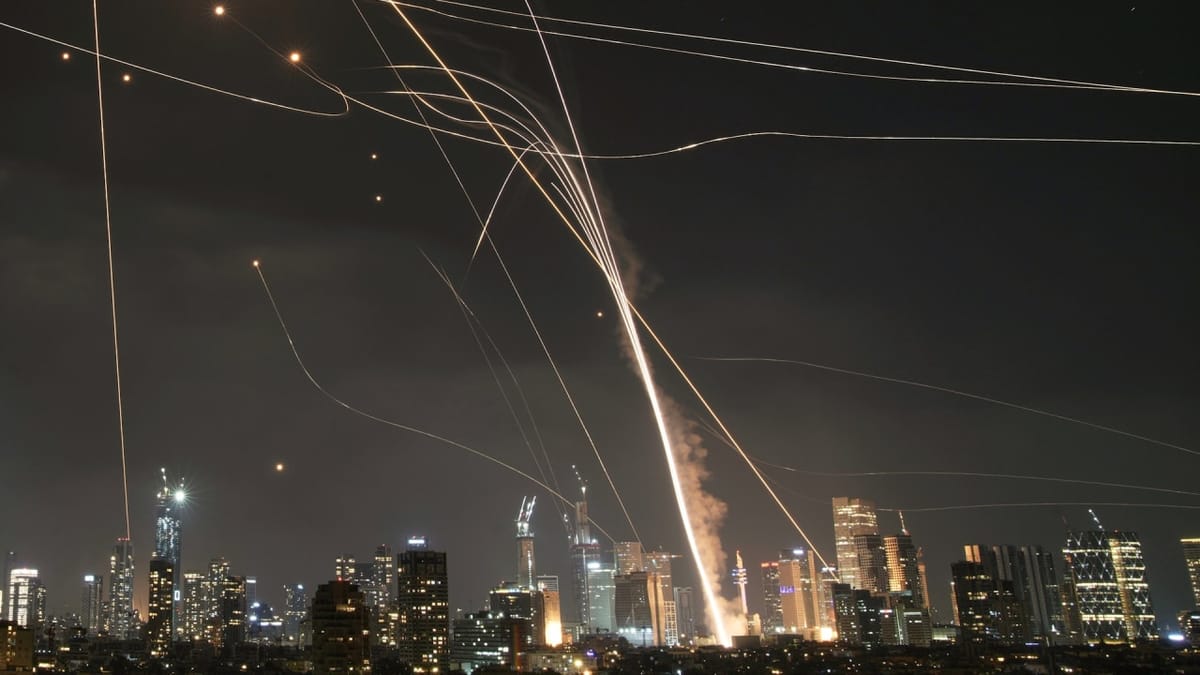
In recent months, the Gulf region has witnessed an alarming escalation in military tensions, primarily driven by missile shortages in Saudi Arabia and the United Arab Emirates (UAE), exacerbated by rising hostilities with Iran. The shortages have become particularly acute following a series of attacks attributed to Iran-backed Houthi rebels in Yemen, who have targeted critical infrastructure in Saudi Arabia, including the Abqaiq oil processing facility in September 2019 and more recently in January 2022.
The geopolitical climate in the Gulf has been further strained by Iran's continued development of its missile capabilities. In March 2022, Iran launched a ballistic missile attack on Erbil, Iraq, claiming it targeted Israeli "strategic centers," but the incident was widely interpreted as a message to Gulf states about Iran's regional reach and military prowess. This aggressive posture has heightened fears in Riyadh and Abu Dhabi, leading to increased demand for missile defense systems, which are now in short supply.
The impact of these events on missile supply chains has been significant. Saudi Arabia and the UAE have both been heavily reliant on Western arms suppliers, particularly the United States, for their defense needs. However, global supply chain disruptions, compounded by the ongoing conflict in Ukraine and increased demand for military hardware in Europe, have delayed the delivery of critical defense systems to the Gulf states. This has left Saudi Arabia and the UAE in a precarious position, struggling to maintain their defensive capabilities amid escalating threats.
The situation has also drawn the attention of international actors, with the United States reiterating its commitment to the security of its Gulf allies. However, the logistical challenges of replenishing missile stocks in a timely manner remain a pressing concern, as both Saudi Arabia and the UAE seek to bolster their defenses against potential Iranian aggression.
The historical context of Saudi-Iranian relations is marked by a series of conflicts and ideological rivalries that have significantly influenced the current military dynamics in the Gulf region. The roots of this rivalry can be traced back to the Iranian Revolution of 1979, which transformed Iran into an Islamic Republic and positioned it as a leader of Shia Islam. This shift alarmed the Sunni-majority Saudi Arabia, which viewed Iran's revolutionary zeal and its calls for Islamic governance as a direct threat to the stability of monarchies across the Gulf.
The Iran-Iraq War (1980-1988) further entrenched the divide, with Saudi Arabia providing substantial financial support to Iraq in an effort to counter Iranian influence. The end of the war did little to ease tensions, as both nations continued to vie for regional dominance. The 1991 Gulf War and subsequent U.S. military presence in the region added another layer of complexity, with Iran perceiving the American-Saudi alliance as a strategic encirclement.
Sectarianism has played a pivotal role in shaping bilateral relations, with both countries leveraging religious affiliations to expand their influence. Saudi Arabia has traditionally positioned itself as the protector of Sunni Islam, while Iran has sought to champion Shia causes, often supporting Shia groups in Lebanon, Iraq, and Yemen. This sectarian dimension has fueled proxy conflicts, most notably in Yemen, where Iran-backed Houthi rebels have been engaged in a prolonged conflict with a Saudi-led coalition since 2015.
These historical conflicts and ideological divides have informed the current military strategies of both nations. Saudi Arabia and the UAE have invested heavily in advanced military hardware to counter perceived Iranian aggression, while Iran has focused on asymmetric warfare and missile development to project power across the region. This ongoing rivalry continues to shape the geopolitical landscape of the Gulf, with each nation seeking to assert its influence and secure its interests amid a backdrop of deep-seated mistrust and competition.
In the complex geopolitical landscape of the Gulf region, the roles of key military and political leaders in Saudi Arabia, the UAE, and Iran are crucial in shaping the response to missile shortages and regional security tensions. In Saudi Arabia, Crown Prince Mohammed bin Salman has been a pivotal figure, driving the Kingdom's military modernization efforts as part of his Vision 2030 initiative. His leadership style, marked by assertiveness and a focus on rapid transformation, has emphasized the need for a robust defense posture against perceived threats from Iran. The Crown Prince has publicly stated the importance of maintaining a strong military capability to deter aggression and protect Saudi interests.
In the UAE, Crown Prince Mohammed bin Zayed Al Nahyan plays a significant role in defense and security matters. Known for his strategic foresight and pragmatic approach, he has been instrumental in forging strong defense ties with Western allies, particularly the United States, to ensure the UAE's military readiness. His leadership has focused on enhancing the UAE's defensive capabilities while advocating for a balanced approach to regional security, emphasizing diplomacy alongside military preparedness.
Iran's Supreme Leader Ayatollah Ali Khamenei and President Ebrahim Raisi are central figures in shaping Iran's military strategy. Khamenei's influence is paramount, as he sets the ideological and strategic direction for Iran's defense policies. Under his leadership, Iran has prioritized the development of missile capabilities as a means of projecting power and countering regional adversaries. President Raisi, known for his hardline stance, has reinforced Iran's commitment to self-reliance in defense, viewing the missile program as a critical component of national security.
The leadership styles of these key figures significantly impact military decisions and regional dynamics. While Saudi Arabia and the UAE seek to address missile shortages through international partnerships, Iran's focus on indigenous missile development highlights the divergent strategies at play. These leaders' positions and actions continue to influence the security landscape of the Gulf, as each nation navigates the challenges of maintaining stability in a volatile region.
The legal frameworks governing missile capabilities in the Gulf region are primarily shaped by international treaties and United Nations resolutions. The most pertinent international law is the Missile Technology Control Regime (MTCR), a voluntary partnership among 35 nations that aims to prevent the proliferation of missile technology capable of carrying a 500 kg payload for at least 300 km. While neither Saudi Arabia nor the UAE is a member of the MTCR, the regime influences global norms and expectations regarding missile proliferation.
United Nations Security Council resolutions also play a crucial role in regulating arms supplies in the region. Resolution 2231, which endorsed the Joint Comprehensive Plan of Action (JCPOA) with Iran in 2015, included provisions related to the supply of arms and missile technology to Iran. Although the arms embargo on Iran expired in 2020, the resolution still restricts the transfer of missile-related technology to Iran without Security Council approval. This has implications for regional dynamics, as Iran's missile program remains a central concern for Saudi Arabia and the UAE.
The legal frameworks impact military procurement strategies for Saudi Arabia and the UAE, as they seek to bolster their defenses amid missile shortages. Both nations rely heavily on international partnerships to secure advanced military hardware, navigating the complexities of international arms control agreements. The United States, a key ally, plays a significant role in this context, as its arms sales are subject to domestic laws such as the Arms Export Control Act, which governs the transfer of military technology to foreign nations.
These legal frameworks underscore the challenges faced by Saudi Arabia and the UAE in maintaining military readiness. As they navigate the intricacies of international law, these nations must balance their defense needs with compliance obligations, shaping their procurement strategies and regional security policies in response to evolving threats and diplomatic considerations.
Human rights organizations have raised significant concerns regarding the humanitarian impact of missile shortages in Saudi Arabia and the UAE, particularly as tensions with Iran continue to escalate. The shortages have implications for civilian safety, as both nations face challenges in maintaining adequate defense systems to protect against potential missile attacks, a situation exacerbated by the ongoing conflict in Yemen.
Non-governmental organizations (NGOs) such as Human Rights Watch and Amnesty International have reported on the increased vulnerability of civilian populations in these regions. The lack of sufficient missile defense capabilities heightens the risk of civilian casualties in the event of an attack. This is particularly concerning given the history of missile strikes targeting civilian infrastructure in Saudi Arabia, including the 2019 attack on oil facilities in Abqaiq and Khurais, which disrupted global oil supplies and underscored the potential for significant civilian harm.
The humanitarian implications extend beyond immediate physical threats. The psychological impact on civilians living under the constant threat of missile attacks cannot be overstated. Anxiety and fear are pervasive, affecting daily life and contributing to a broader sense of insecurity. Additionally, the allocation of resources towards military procurement to address these shortages often diverts funds away from essential services, impacting healthcare, education, and social welfare systems.
International human rights organizations have called for increased diplomatic efforts to de-escalate tensions and address the root causes of the conflict. They emphasize the need for comprehensive strategies that prioritize civilian protection and adhere to international humanitarian law. The ongoing situation highlights the critical importance of safeguarding human rights and ensuring that civilian populations are not unduly harmed by geopolitical conflicts and military deficiencies.
The missile shortages in Saudi Arabia and the UAE have profound economic and strategic implications, particularly in terms of military readiness and regional security dynamics. Both nations have historically relied on robust missile defense systems to deter threats, especially from Iran, whose missile capabilities have been a longstanding concern. The current shortages compromise their ability to effectively respond to potential attacks, thereby weakening their deterrence posture and increasing vulnerability.
Strategically, these shortages could alter the balance of power in the Gulf region. Saudi Arabia and the UAE are key players in the Gulf Cooperation Council (GCC), and their diminished military capabilities may prompt a recalibration of regional security alliances. Other Gulf states, wary of Iran's influence, might seek to strengthen their own defenses or explore new alliances, potentially shifting the geopolitical landscape. This situation underscores the importance of maintaining a credible defense posture to ensure stability and security in the region.
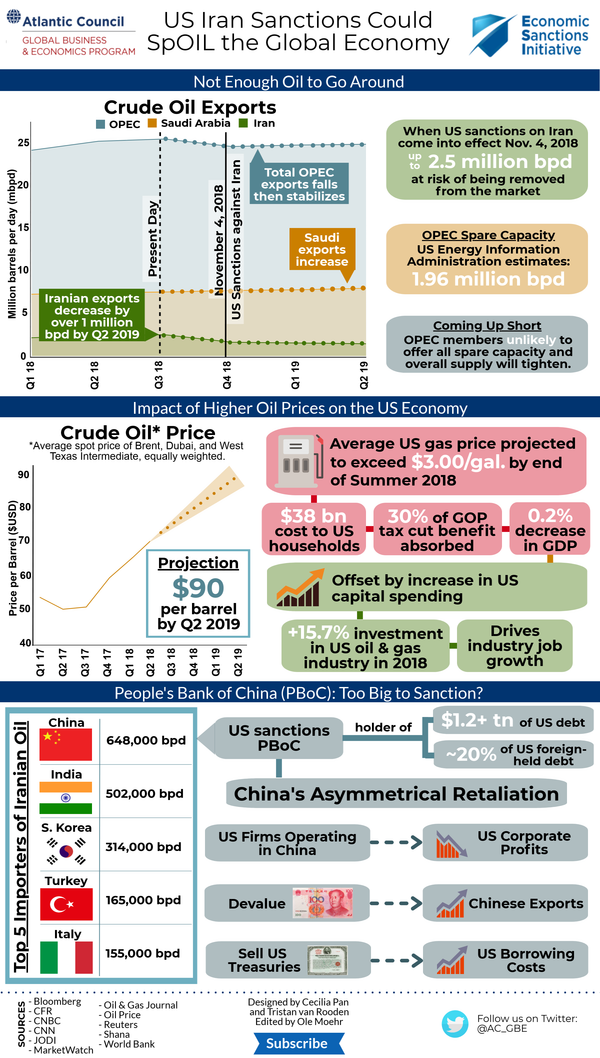
Economically, the focus on addressing missile shortages necessitates significant financial investment in defense procurement. This reallocation of resources can strain national budgets, diverting funds from other critical sectors such as infrastructure, healthcare, and education. The economic burden is compounded by the potential disruption of trade routes and energy supplies, as seen in past incidents like the 2019 attacks on Saudi oil facilities. Such disruptions can have far-reaching effects on global energy markets, given the region's pivotal role in oil production.
In response, Saudi Arabia and the UAE may seek to expedite procurement processes and enhance domestic defense industries to mitigate reliance on foreign suppliers. This approach could foster economic growth and technological advancement but requires substantial initial investment and time to develop. As these nations navigate these challenges, their ability to maintain regional influence and economic stability remains a critical concern.
The United States has expressed significant concern over the missile shortages faced by Saudi Arabia and the UAE, emphasizing the need for sustained military support to these key allies. Washington has reiterated its commitment to regional security, offering to expedite arms sales and provide technical assistance to bolster missile defense systems. This support is critical as the U.S. seeks to counterbalance Iran's growing influence in the Gulf, a strategic priority underscored by recent diplomatic engagements and military cooperation agreements.
Other Gulf states, such as Bahrain and Kuwait, have voiced apprehension over the escalating tensions and the potential for regional instability. These nations are closely monitoring the situation, aware that any conflict involving Saudi Arabia and the UAE could have direct implications for their own security. The Gulf Cooperation Council (GCC) has called for a unified approach to address the missile shortages, advocating for increased intra-regional collaboration and intelligence sharing to mitigate threats posed by Iran.
International diplomacy plays a pivotal role in this context, with the European Union and other global actors urging restraint and dialogue. Diplomatic efforts are underway to facilitate negotiations that could de-escalate tensions and address the underlying security concerns. However, the success of these initiatives largely depends on the willingness of Iran and the Gulf states to engage in constructive dialogue, a prospect complicated by deep-seated mistrust and historical grievances.
Looking ahead, the situation demands careful monitoring of military developments and diplomatic interactions. Key scenarios include potential shifts in U.S. foreign policy following electoral changes, or a recalibration of alliances within the GCC. The timeline for resolving missile shortages remains uncertain, contingent on procurement processes and international negotiations. Ultimately, the ability of Saudi Arabia and the UAE to restore their defense capabilities and navigate geopolitical complexities will significantly influence the future stability of the Gulf region.