Iran's Missile Strike on French Base: A New Era of Tensions in the Gulf
Iran's missile strike on a French base in Abu Dhabi raises alarms over regional security dynamics and international relations.
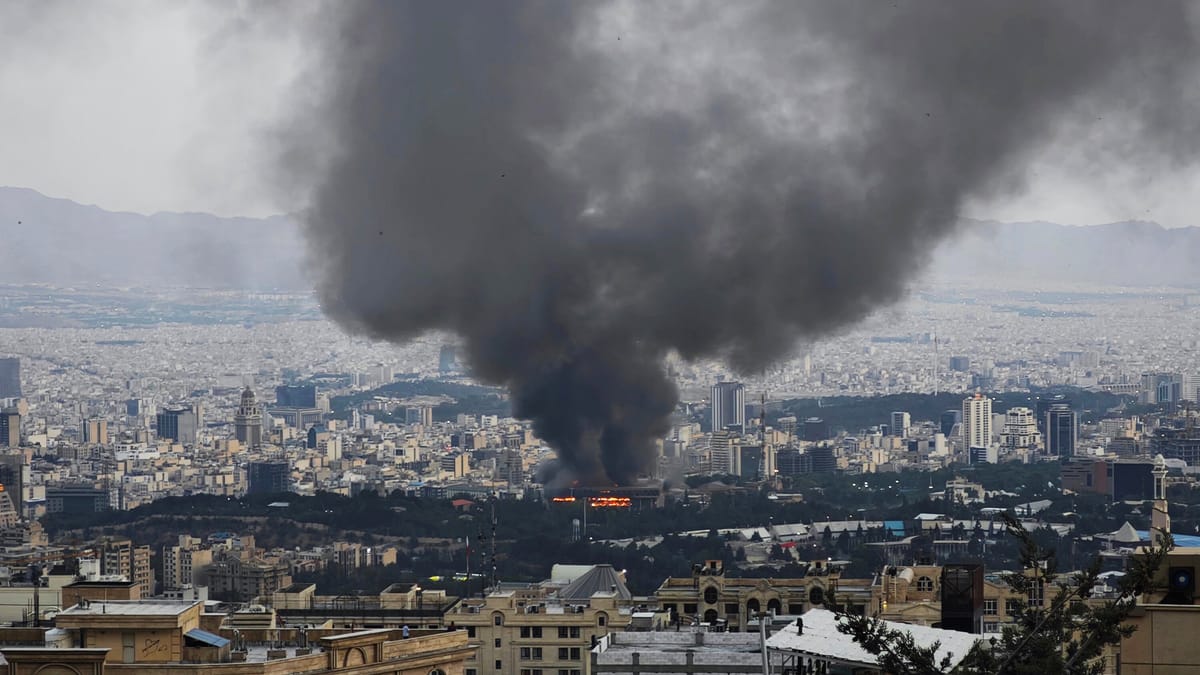
On October 15, 2023, Iran launched a missile strike targeting a French military base in Abu Dhabi, marking a significant escalation in regional tensions. This act of aggression came amidst a backdrop of increasing hostilities between Iran and the Gulf states, exacerbated by a series of confrontational incidents in the preceding months.
The roots of this escalation can be traced back to heightened tensions over Iran's nuclear program and its regional influence. In early 2023, the United States and its European allies, including France, intensified sanctions on Iran, citing violations of the Joint Comprehensive Plan of Action (JCPOA). Iran's response was to bolster its military posture, including missile tests that alarmed neighboring Gulf states.
Relations between Iran and the United Arab Emirates (UAE) have been historically fraught, primarily due to territorial disputes over the islands of Abu Musa and the Greater and Lesser Tunbs. These tensions were further inflamed in September 2023 when Iran accused the UAE of hosting Israeli intelligence operations, a claim the UAE denied. The situation deteriorated further when a series of naval confrontations occurred in the Strait of Hormuz, a critical chokepoint for global oil shipments.
The missile strike on the French base, which serves as a strategic hub for Western military operations in the region, was reportedly a retaliatory measure. Iran alleged that the base was being used to coordinate operations against its interests. This incident has drawn widespread condemnation from international actors, with France and its allies calling for an urgent meeting of the United Nations Security Council to address the breach of international peace and security.
As the Gulf region grapples with the fallout from this strike, the incident underscores the volatile nature of Middle Eastern geopolitics, where longstanding rivalries and strategic interests continue to fuel conflict and instability.
Iran's interactions with the Gulf states have been complex and multifaceted, characterized by both cooperation and conflict. Historically, Iran has sought to assert its influence in the Gulf, often clashing with its Arab neighbors over territorial and ideological disputes. The Islamic Revolution of 1979 marked a turning point, as Iran's new regime sought to export its revolutionary ideals, creating friction with the conservative monarchies of the Gulf Cooperation Council (GCC), including the UAE.
The relationship between Iran and the UAE has been particularly strained due to territorial disputes over the islands of Abu Musa and the Greater and Lesser Tunbs, which have been under Iranian control since 1971. Despite these tensions, the two countries have maintained diplomatic and economic ties, with the UAE serving as a significant trade partner for Iran, especially during periods of international sanctions.
France's involvement in the Gulf region is driven by strategic and economic interests. As a permanent member of the United Nations Security Council, France has historically played a role in regional security matters, often aligning with Western allies to counterbalance Iranian influence. The establishment of a French military base in Abu Dhabi in 2009 underscored France's commitment to regional security and its strategic partnerships with the Gulf states. This base serves as a critical point for France's military operations and reflects its broader interests in ensuring the security of energy supplies and maintaining stability in the Gulf.
Over the decades, France has cultivated strong diplomatic and economic ties with the UAE, positioning itself as a key partner in defense and trade. This relationship has been bolstered by mutual concerns over regional security threats, including Iran's missile capabilities and its nuclear ambitions. The recent missile strike has thus not only impacted bilateral relations but also highlighted the broader geopolitical dynamics at play in the region.
Iran has justified its missile strike on the French base in Abu Dhabi as a defensive measure, claiming that the base was being used to orchestrate operations against Iranian interests. Tehran has consistently expressed concerns over foreign military presence in the Gulf, viewing it as a threat to its national security. The Iranian government has reiterated its stance that any foreign military actions perceived as hostile will be met with appropriate responses.
The United Arab Emirates (UAE), on the other hand, has condemned the missile strike as an act of aggression that undermines regional stability. The UAE has emphasized its commitment to maintaining peace and security in the Gulf and has called for international support in addressing what it perceives as Iranian provocations. The UAE's strategic partnership with France and other Western allies is seen as a cornerstone of its defense policy, and the strike on the French base has prompted calls for increased international cooperation to deter further aggression.
France has reacted strongly to the attack, denouncing it as a violation of international law and a direct threat to its military personnel stationed in the region. French officials have engaged in diplomatic efforts to rally support from European Union members and other international partners, urging a unified response to Iran's actions. France's strategic interests in the Gulf, particularly in terms of energy security and regional stability, have been highlighted by this incident, prompting discussions on reinforcing military and diplomatic ties with Gulf states.
Other regional actors, including Saudi Arabia and members of the Gulf Cooperation Council (GCC), have expressed solidarity with the UAE and France, condemning Iran's actions and calling for a collective regional strategy to counter perceived Iranian threats. The incident has also drawn attention from the United States, which has reiterated its commitment to the security of its allies in the Gulf and has called for de-escalation and dialogue to prevent further conflict.
The missile strike by Iran on the French military base in Abu Dhabi raises significant questions about the application of international law, particularly concerning the use of force and state sovereignty. Under the United Nations Charter, specifically Article 2(4), member states are prohibited from using force against the territorial integrity or political independence of any state. Iran's justification of the strike as a defensive measure is a contentious point, as Article 51 of the UN Charter permits self-defense only if an armed attack occurs against a member state. The interpretation of what constitutes an "armed attack" and the immediacy of the threat are crucial in assessing the legality of Iran's actions.
Relevant UN resolutions also play a role in framing the legal context of this incident. Resolution 2231, which endorses the Joint Comprehensive Plan of Action (JCPOA), calls for Iran to refrain from activities related to ballistic missiles capable of delivering nuclear weapons. Although the resolution does not explicitly prohibit missile strikes, it underscores the international community's concerns regarding Iran's missile capabilities. The strike on the French base could potentially be viewed as a violation of this resolution, depending on the specifics of the missile technology used.
The potential legal ramifications for Iran include increased scrutiny from the international community and potential sanctions. The UN Security Council could consider measures if the strike is deemed a breach of international peace and security. Additionally, affected states like France and the UAE may pursue diplomatic or legal actions through international courts, such as the International Court of Justice, to seek redress or clarification on the legality of the strike. This incident underscores the complexities of international law in conflict situations, particularly in regions with longstanding geopolitical tensions.
The missile strike on the French military base in Abu Dhabi has raised significant concerns regarding civilian safety and human rights in the region. Although the primary target was a military installation, the proximity of the base to civilian areas has heightened the risk of collateral damage. Reports from local authorities indicate that the strike resulted in several injuries among civilians, although no fatalities have been confirmed. The potential for such incidents to escalate into broader conflicts poses a continuous threat to the safety and well-being of civilian populations in the Gulf region.
Non-governmental organizations (NGOs) operating in the area have been vocal about the immediate and long-term human rights implications of the strike. Organizations such as Human Rights Watch and Amnesty International have called for thorough investigations into the incident to assess the impact on civilian infrastructure and to ensure accountability for any violations of international humanitarian law. These NGOs emphasize the importance of protecting civilian lives and infrastructure, urging all parties involved to adhere strictly to the principles of distinction and proportionality under international law.
The broader implications for human rights in the region are profound. The Gulf has long been a theater of geopolitical tension, where military actions can have far-reaching consequences for civilian populations. The strike underscores the vulnerability of civilians caught in the crossfire of state conflicts, highlighting the urgent need for robust mechanisms to protect human rights and ensure accountability. The incident also raises questions about the efficacy of existing international frameworks in preventing and responding to such threats, suggesting a need for enhanced international cooperation and dialogue to safeguard human rights in conflict-prone areas.
The missile strike on the French base in Abu Dhabi carries significant economic and strategic implications for the Gulf region. The immediate economic fallout for the UAE includes potential disruptions to its trade and investment climate. As a hub for international business, any perceived instability could deter foreign investment and affect sectors such as tourism and real estate. The UAE's economic resilience will be tested as it seeks to reassure investors and maintain its position as a regional economic powerhouse.
For Qatar, the incident presents both challenges and opportunities in its diplomatic relations with Iran and Western nations. Qatar has historically maintained a delicate balance in its foreign policy, fostering strong ties with both Iran and Western countries. The strike could compel Qatar to navigate this balance more cautiously, reinforcing its role as a mediator in regional conflicts. Additionally, Qatar's strategic importance as a gas supplier to Europe may enhance its diplomatic leverage, allowing it to play a more active role in de-escalating tensions.
Strategically, the missile strike may prompt a reevaluation of military alliances within the Gulf Cooperation Council (GCC). The incident underscores the vulnerability of Gulf states to regional conflicts, potentially accelerating efforts to strengthen collective security frameworks. Saudi Arabia and other GCC members may seek to bolster their defense capabilities and enhance military cooperation with Western allies. This could lead to increased arms purchases and joint military exercises, aiming to deter further aggression and ensure regional stability.
The strike also highlights the broader geopolitical dynamics at play, with potential shifts in military alliances as Gulf states reassess their security strategies. The incident may influence ongoing discussions about the presence of foreign military bases in the region, as Gulf states weigh the benefits and risks of hosting international forces amid escalating tensions with Iran.
The missile strike on the French base in Abu Dhabi has elicited strong reactions from regional actors, particularly Saudi Arabia and other members of the Gulf Cooperation Council (GCC). Saudi Arabia, a key player in the GCC, has condemned the attack, emphasizing the need for a unified regional response to counter threats posed by Iran's military actions. The Kingdom's response reflects its longstanding concerns about Iran's influence and military capabilities in the region, which it perceives as destabilizing.
In the aftermath of the strike, GCC members are likely to intensify discussions on enhancing collective security measures. The incident has underscored the necessity for a cohesive defense strategy among Gulf states, which may lead to increased military collaboration and intelligence sharing. The GCC could potentially explore new defense pacts or strengthen existing ones to ensure a robust response to any future threats. This may involve closer coordination with Western allies, particularly the United States, which has historically played a significant role in Gulf security.
The security dynamics in the region are poised for significant shifts as Gulf states reassess their military and diplomatic strategies. The attack has highlighted vulnerabilities that may prompt a reevaluation of the presence and role of foreign military bases in the region. As Gulf states navigate these complex dynamics, there is potential for both increased militarization and diplomatic efforts aimed at de-escalation. The future of Gulf cooperation will likely hinge on balancing these approaches, with an emphasis on fostering stability while deterring aggression.
Overall, the missile strike has reinforced the urgency of addressing regional security challenges through both military preparedness and diplomatic engagement. The GCC's response will be crucial in shaping the future security architecture of the Gulf, as member states seek to protect their interests and maintain regional stability in the face of evolving threats.
The international response to Iran's missile strike on the French base in Abu Dhabi has been swift and unequivocal. The United States, a key ally of both the UAE and France, has condemned the attack, calling it a provocative act that threatens regional stability. The U.S. has reiterated its commitment to the security of its allies in the Gulf, signaling potential increases in military support and defense cooperation. European nations, particularly France, have also expressed strong condemnation, with French President Emmanuel Macron emphasizing the need for a firm response to safeguard international norms and protect French interests abroad.
The incident has strained diplomatic relations in the region, complicating ongoing efforts to engage Iran in dialogue over its nuclear program and regional activities. The European Union, which has been a proponent of diplomatic engagement with Iran, faces renewed challenges in balancing its approach amid heightened tensions. The missile strike could derail potential negotiations aimed at de-escalating regional conflicts, as trust between Iran and Western nations is further eroded.
Looking ahead, the potential for renewed negotiations or conflicts hinges on the actions of key stakeholders. The international community may push for a diplomatic resolution through the United Nations, potentially involving new resolutions aimed at curbing Iran's missile capabilities. However, the risk of further military confrontations remains, particularly if Iran perceives increased military posturing by Western powers as a direct threat.
In the coming months, observers should watch for shifts in military deployments in the Gulf, changes in diplomatic engagements with Iran, and any new sanctions or international measures. The evolving situation underscores the delicate balance of power in the region and the critical need for strategic diplomacy to prevent further escalation. The outcome of this incident will likely influence the broader geopolitical landscape, shaping future interactions between Iran, the Gulf states, and the international community.