Gulf States' Strategic Response to Sudan's Humanitarian Crisis
Exploring Gulf states' actions and implications amid Sudan's escalating humanitarian crisis.
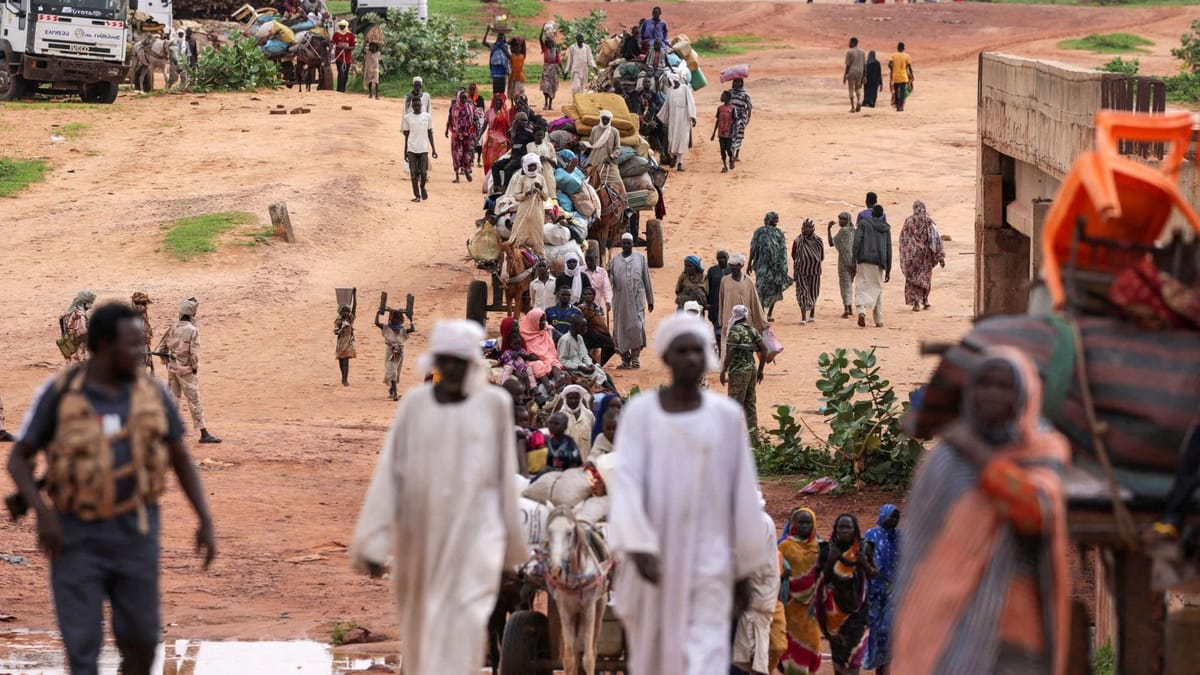
The humanitarian crisis in Sudan reached a critical juncture in April 2023 when intense fighting erupted between the Sudanese Armed Forces (SAF) and the Rapid Support Forces (RSF), leading to widespread violence and displacement. This conflict, rooted in a power struggle between military leaders, has resulted in significant civilian casualties and a dire humanitarian situation, with over 4 million people displaced and thousands killed by October 2023.
The Gulf states, particularly Saudi Arabia and the United Arab Emirates, have historically maintained strategic ties with Sudan, primarily due to economic interests and regional security concerns. In response to the crisis, these states have engaged in diplomatic efforts to mediate between the conflicting parties. Saudi Arabia, alongside the United States, hosted talks in Jeddah in May 2023, aiming to broker a ceasefire, though these efforts have seen limited success due to the entrenched positions of the warring factions.
As the situation deteriorated, the Gulf Cooperation Council (GCC) countries began to ramp up humanitarian assistance. In June 2023, the UAE announced a $50 million aid package to support relief efforts, focusing on food, medical supplies, and shelter for displaced populations. Saudi Arabia has also been active, coordinating with international organizations to facilitate aid delivery despite the challenging security environment.
Recent developments have further complicated humanitarian efforts. The ongoing conflict has disrupted supply chains and made access to affected areas perilous, exacerbating the crisis. The United Nations has called for increased international support, emphasizing the need for safe corridors to deliver aid. Gulf states continue to play a pivotal role in these efforts, leveraging their diplomatic influence and financial resources to alleviate the suffering of the Sudanese people, while also navigating the complex geopolitical dynamics of the region.
The historical relationship between the Gulf states and Sudan is deeply rooted in both cultural and economic interactions that have evolved over decades. Sudan's strategic location and its role as a bridge between the Arab world and Africa have made it a significant partner for Gulf countries. This connection was particularly strengthened during the late 20th century when Sudan became a focal point for Arab investment, especially from Saudi Arabia and the United Arab Emirates.
Economic ties have been a cornerstone of this relationship. The Gulf states have invested heavily in Sudan's agriculture, banking, and infrastructure sectors. For instance, Saudi Arabia has been involved in large-scale agricultural projects in Sudan, leveraging the country's vast arable land to ensure food security for the Kingdom. Similarly, the UAE has invested in Sudan's banking sector, facilitating financial flows and economic development. These investments have not only bolstered Sudan's economy but have also created a network of mutual dependencies that influence current humanitarian policies.
Culturally, the ties are underscored by shared religious and linguistic affiliations, with Islam serving as a unifying factor. This cultural connection has fostered a sense of solidarity, which is reflected in the Gulf states' willingness to provide humanitarian aid during times of crisis. The historical alliances, particularly during periods of political instability in Sudan, have seen Gulf states offering diplomatic support and mediation efforts, as evidenced by their involvement in the recent Jeddah talks.
The Gulf states' responses to the Sudan crisis are thus shaped by a combination of historical alliances, economic interests, and cultural ties. These factors have driven their proactive engagement in humanitarian efforts, as they seek to stabilize a region that holds significant strategic importance for their own security and economic agendas.
The Sudan crisis involves a complex web of internal factions and external supporters, each playing a critical role in the ongoing conflict. The primary internal factions include the Sudanese Armed Forces (SAF) and the Rapid Support Forces (RSF), both vying for control and influence within the country. The conflict between these two groups escalated significantly in April 2023, leading to widespread violence and displacement of civilians.
Externally, various regional and international actors have taken sides, further complicating the situation. Egypt has shown support for the SAF, given its strategic interest in maintaining stability along its southern border. In contrast, the RSF has reportedly received backing from Libya's eastern factions, which are themselves embroiled in a separate conflict. This external involvement has not only fueled the conflict but also drawn in additional geopolitical interests.
The Gulf states, particularly Saudi Arabia and the United Arab Emirates, have maintained a nuanced position regarding these actors. Historically, both countries have had ties with the RSF due to its involvement in the Saudi-led coalition in Yemen. However, the Gulf states' primary concern remains regional stability and the prevention of a protracted conflict that could spill over into neighboring countries. As such, they have engaged in diplomatic efforts to mediate between the factions, as seen in the Jeddah talks, while continuing to provide humanitarian aid to mitigate the crisis's impact on civilians.
Qatar, meanwhile, has focused on diplomatic channels, advocating for peaceful resolutions and supporting international efforts to address the humanitarian needs in Sudan. The Gulf states' positions reflect a delicate balancing act, as they navigate their historical alliances, economic interests, and the broader geopolitical landscape in the region.
The humanitarian crisis in Sudan has drawn significant international attention, with the United Nations and other global entities actively seeking resolutions to alleviate the situation. Key among these efforts is UN Security Council Resolution 1591, adopted in 2005, which imposed sanctions on individuals responsible for the conflict in Darfur, a region that has seen prolonged violence and humanitarian challenges. Although this resolution predates the current crisis, it underscores the ongoing international legal framework aimed at addressing conflict-related humanitarian issues in Sudan.
In response to the escalating violence since April 2023, the UN and other international bodies have called for adherence to international humanitarian law, emphasizing the protection of civilians and the provision of humanitarian aid. The Geneva Conventions, which outline the rules of war and the treatment of non-combatants, are particularly relevant in this context. These legal frameworks mandate all parties involved in the conflict to ensure safe passage for humanitarian assistance and to protect civilian populations from the effects of hostilities.
The Gulf states, notably Saudi Arabia and the United Arab Emirates, have engaged with these international legal frameworks by participating in diplomatic initiatives and supporting UN-led humanitarian efforts. Their involvement in the Jeddah talks highlights their commitment to mediating peace and facilitating dialogue between conflicting parties. Furthermore, these states have pledged financial support for humanitarian operations in Sudan, aligning their actions with international calls for increased aid to address the crisis's impact on civilians.
Qatar has also played a role in advocating for compliance with international humanitarian standards, emphasizing the need for a peaceful resolution to the conflict. By engaging with these legal and diplomatic frameworks, the Gulf states aim to contribute to regional stability and uphold their international obligations, reflecting their strategic interests in maintaining peace and security in the region.
The humanitarian crisis in Sudan has severely impacted its civilian population, with millions displaced and in dire need of assistance. As of mid-2023, the United Nations Office for the Coordination of Humanitarian Affairs (OCHA) reported that over 4 million people have been internally displaced due to the ongoing conflict. The violence has disrupted essential services, leaving many without access to food, clean water, and healthcare. The World Food Programme (WFP) has warned of acute food insecurity affecting a significant portion of the population, exacerbated by the conflict's disruption of agricultural activities and supply chains.
Non-governmental organizations (NGOs) operating in Sudan have highlighted the dire conditions faced by civilians. Médecins Sans Frontières (MSF) has reported on the overwhelming demand for medical services in conflict zones, where hospitals are either non-functional or operating under severe constraints. The International Committee of the Red Cross (ICRC) has emphasized the urgent need for safe corridors to deliver humanitarian aid, as ongoing hostilities have hindered their efforts to reach affected communities.
Humanitarian organizations face significant challenges in Sudan, including security threats to their personnel and logistical difficulties in accessing remote areas. The volatile security situation has led to the suspension of operations in some regions, further compounding the crisis. Additionally, funding shortfalls have limited the capacity of NGOs to respond effectively, despite international appeals for increased support.
The Gulf states' financial contributions and diplomatic efforts are crucial in addressing these challenges. However, the scale of the humanitarian needs in Sudan requires sustained international collaboration and commitment to ensure that aid reaches those most in need. The situation underscores the importance of maintaining open channels for humanitarian assistance and the need for continued advocacy to protect civilian lives amidst the ongoing conflict.
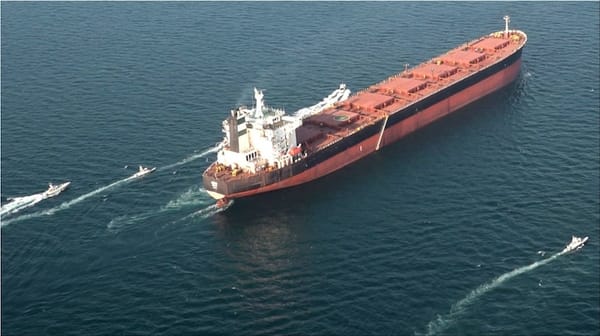
The ongoing humanitarian crisis in Sudan presents significant economic and strategic challenges for the Gulf states, particularly in terms of trade, security, and regional stability. Sudan's strategic location along the Red Sea is pivotal for maritime trade routes, and any prolonged instability in the region could disrupt shipping lanes, affecting the flow of goods and energy supplies that are vital to Gulf economies. The Red Sea is a critical artery for oil exports, and any threat to its security could have far-reaching implications for global energy markets.
Security concerns are paramount for the Gulf states, as the conflict in Sudan risks spilling over into neighboring countries, potentially destabilizing the broader region. This instability could lead to increased migration pressures, as displaced populations seek refuge in more stable areas, including Gulf countries. Such movements could strain resources and create socio-political challenges for these states, which are already navigating complex regional dynamics.
The Gulf states have historically maintained strong ties with Sudan, driven by both economic interests and geopolitical considerations. Investments in Sudanese agriculture and infrastructure have been part of broader strategies to ensure food security and diversify economic partnerships. However, the current crisis threatens these investments, as ongoing conflict disrupts economic activities and undermines investor confidence. The Gulf states' involvement in diplomatic efforts to mediate peace reflects their strategic interest in restoring stability, which is essential for safeguarding their economic investments and maintaining regional influence.
Ultimately, the Gulf states' response to the Sudan crisis underscores the interconnectedness of economic and security interests in the region. Their active engagement in diplomatic and humanitarian initiatives highlights the importance they place on ensuring stability, which is crucial for their long-term economic and strategic objectives. The situation in Sudan remains a critical test of the Gulf states' ability to navigate complex regional challenges while safeguarding their national interests.
Regional and international reactions to the Gulf states' responses to Sudan's humanitarian crisis have been mixed, reflecting the complex geopolitical landscape. The African Union (AU) has expressed concern over the escalating violence and humanitarian needs in Sudan, urging for a coordinated international effort to stabilize the region. The AU has called on Gulf states to leverage their influence to facilitate peace talks and support humanitarian initiatives. However, the AU remains cautious about external interventions that may not align with African-led peace processes.
Western countries have generally welcomed the Gulf states' financial contributions and diplomatic engagement but have also emphasized the need for a comprehensive approach that addresses the root causes of the conflict. The United States and European Union have encouraged Gulf states to collaborate with international organizations and adhere to UN resolutions, such as Resolution 1591, which calls for an arms embargo and targeted sanctions to curb violence in Sudan. There is a clear expectation for Gulf states to balance their strategic interests with humanitarian imperatives.
The broader implications for international relations in the region are significant. The Gulf states' actions in Sudan are closely watched as a measure of their regional influence and ability to act as stabilizing forces. As the crisis unfolds, key scenarios include potential shifts in alliances, with Gulf states possibly deepening ties with African nations through economic and humanitarian partnerships. The timeline for resolving the crisis remains uncertain, with diplomatic efforts likely to continue in parallel with humanitarian interventions.
In conclusion, the Gulf states' response to Sudan's crisis will be a critical determinant of their role in shaping regional stability. Observers should watch for developments in peace negotiations and humanitarian aid distribution, as these will indicate the effectiveness of Gulf states' strategies. The situation serves as a litmus test for their capacity to address complex regional challenges while safeguarding their strategic interests.