Gulf States' Humanitarian Response to Sudan's Escalating Crisis
As Sudan faces a dire humanitarian crisis, Gulf states are stepping up their responses. This article explores their actions and historical ties to Sudan.
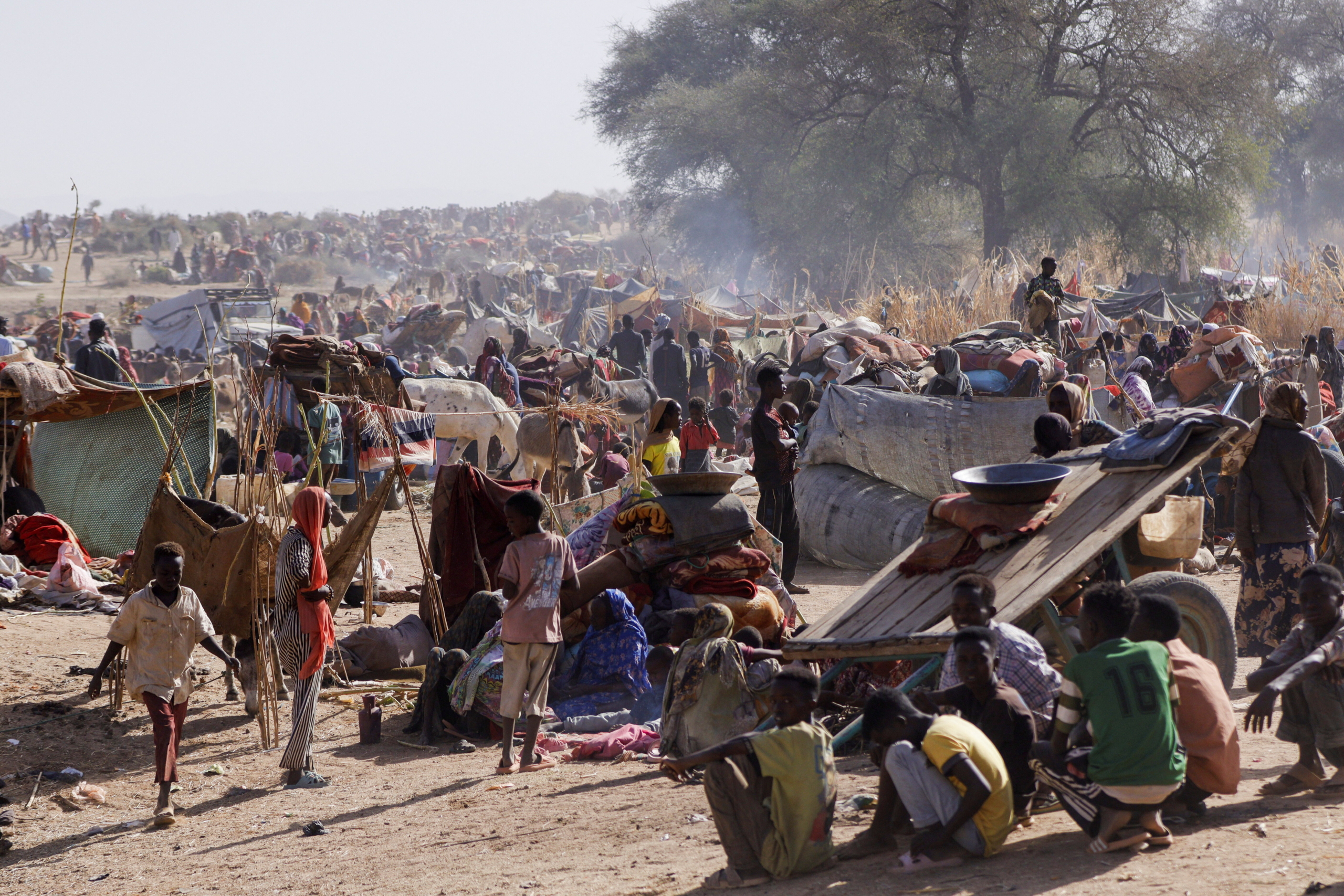
The humanitarian crisis in Sudan, ignited by the fierce conflict between the Sudanese Armed Forces (SAF) and the Rapid Support Forces (RSF), has escalated into one of the world's most severe emergencies. Since the outbreak of violence on April 15, 2023, the conflict has resulted in the displacement of over 11 million people, creating the largest displacement crisis globally.
The fighting, which began in Khartoum, rapidly spread to other regions, including Darfur, North Kordofan, and Gezira state. The RSF has been particularly notorious for committing war crimes and crimes against humanity, exacerbating the humanitarian catastrophe. In August, famine was confirmed in Darfur's largest displacement camp, highlighting the dire food insecurity faced by the population. More than 25 million people are currently experiencing acute food shortages, yet the humanitarian response remains critically underfunded, with only about half of the necessary aid secured.
The conflict has not only displaced millions internally but also forced over four million Sudanese to seek refuge in neighboring countries such as Chad, Ethiopia, and South Sudan, further straining already unstable regions. The United Nations has repeatedly called for increased international support, warning of the impending "world's largest hunger crisis" if immediate action is not taken. Despite these pleas, the humanitarian response plan remains insufficient, leaving millions without essential aid.
The ongoing violence and the blocking of humanitarian assistance by warring factions have compounded the suffering of civilians, with rampant human rights violations, including gender-based violence, reported across the country. The international community faces mounting pressure to intervene and alleviate the suffering of the Sudanese people, as the conflict shows no signs of abating.
In response to the escalating humanitarian crisis in Sudan, Gulf states such as Saudi Arabia and the United Arab Emirates (UAE) have taken significant steps to provide humanitarian aid. Saudi Arabia, in particular, has been at the forefront of relief efforts, coordinating with international organizations to deliver essential supplies to affected regions. The King Salman Humanitarian Aid and Relief Center has been instrumental in dispatching food, medical aid, and shelter to displaced populations, aiming to alleviate the severe shortages faced by millions of Sudanese.
The UAE has also played a crucial role in supporting humanitarian initiatives, contributing substantial financial resources to assist those impacted by the conflict. The Emirates Red Crescent has been actively involved in providing emergency assistance, focusing on the most vulnerable groups, including women and children, who are disproportionately affected by the ongoing violence.
Despite these efforts, attempts by Gulf states to mediate between the Sudanese Armed Forces (SAF) and the Rapid Support Forces (RSF) have largely been unsuccessful. Diplomatic interventions have failed to yield a ceasefire or meaningful dialogue between the warring factions, as both sides remain entrenched in their positions. This diplomatic stalemate has complicated the delivery of humanitarian aid, as access to certain conflict zones remains restricted.
Furthermore, the involvement of regional actors in the conflict has added layers of complexity to the humanitarian response. As various countries align with different factions within Sudan, the political landscape becomes increasingly fragmented, hindering unified international efforts to address the crisis. The geopolitical interests of these regional players often overshadow humanitarian considerations, making it challenging to implement effective relief operations on the ground.
The historical relationship between the Gulf states and Sudan is rooted in a complex tapestry of political, economic, and cultural ties. Over the decades, these connections have significantly influenced the Gulf states' current humanitarian and political stances in response to Sudan's ongoing crisis. Historically, Sudan has maintained close diplomatic relations with countries like Saudi Arabia and the United Arab Emirates, which have been pivotal in shaping Sudan's political landscape.
Economically, Sudan has been a beneficiary of substantial investments from the Gulf region, particularly in sectors such as agriculture and infrastructure. The Gulf states, in turn, have viewed Sudan as a strategic partner due to its geographical proximity and potential as a gateway to Africa. This economic interdependence has often translated into political support, with Gulf countries backing various Sudanese regimes over the years. For instance, during the rule of Omar al-Bashir, both Saudi Arabia and the UAE provided financial aid and political backing, which played a role in bolstering his government.
Culturally, the shared Islamic heritage has fostered a sense of affinity between the Gulf states and Sudan. This cultural connection has facilitated people-to-people exchanges and strengthened diplomatic ties. The Gulf states have also been involved in peace processes in Sudan, attempting to mediate conflicts and promote stability in the region. Their involvement in the 2005 Comprehensive Peace Agreement, which aimed to end the Second Sudanese Civil War, is a notable example of their commitment to Sudanese peace efforts.
These historical ties have shaped the Gulf states' current approach to the humanitarian crisis in Sudan. While their efforts to mediate the conflict have faced challenges, their longstanding relationships with Sudan continue to drive their humanitarian initiatives, reflecting a blend of strategic interests and a commitment to regional stability.
The delivery of humanitarian aid in Sudan faces significant challenges due to the ongoing violence and strategic blockades by warring factions. The conflict between the Sudanese Armed Forces (SAF) and the Rapid Support Forces (RSF), which erupted on April 15, 2023, has resulted in widespread instability, making it exceedingly difficult for aid organizations to operate effectively. The RSF, in particular, has been implicated in blocking aid access to civilians, exacerbating the humanitarian crisis. This obstruction is part of a broader pattern of violations of international humanitarian law, as documented by Human Rights Watch and Amnesty International.
In regions like Darfur and Khartoum, where fighting is most intense, the risks for aid workers are particularly high. The volatile security situation has led to numerous incidents of violence against humanitarian personnel, further complicating the delivery of essential services. Aid organizations are often forced to navigate a landscape fraught with checkpoints and armed confrontations, which not only delays the distribution of aid but also endangers the lives of those attempting to provide relief. The International Crisis Group has highlighted the dire need for improved security conditions to facilitate humanitarian operations.
The blockade of aid routes and the targeting of aid workers have dire consequences for the civilian population. With over 25 million people facing acute food insecurity and more than 17 million children out of school, the need for humanitarian assistance is critical. Yet, as the conflict continues, the ability of international and regional actors to deliver aid remains severely constrained. The United Nations and other humanitarian agencies have repeatedly called for unfettered access to affected areas, but these pleas have largely gone unheeded amid the entrenched positions of the conflicting parties.
The international community has been vocal in its calls for intervention to address the humanitarian crisis in Sudan. Organizations such as Amnesty International have urged the United Nations Security Council to impose arms embargoes to prevent further civilian suffering. Despite these calls, the response has been hampered by geopolitical complexities and the entrenched positions of the Sudanese Armed Forces (SAF) and the Rapid Support Forces (RSF).
Gulf states, including Saudi Arabia and the United Arab Emirates, have found themselves in a delicate position. While they are committed to providing humanitarian aid, they must also navigate their geopolitical interests in the region. Historically, these states have maintained close ties with Sudan, offering financial and political support to various regimes. This relationship complicates their ability to take a hard stance against the warring factions, as they seek to balance humanitarian concerns with strategic alliances.
In their efforts to address the crisis, Gulf states have coordinated with international organizations like the United Nations and non-governmental organizations (NGOs) to deliver aid. However, the ongoing violence and strategic blockades have limited the effectiveness of these efforts. The Gulf states have also engaged in diplomatic initiatives, attempting to mediate between the conflicting parties, though these efforts have yet to yield significant results.
As the situation in Sudan continues to deteriorate, the role of the Gulf states remains crucial. Their ability to leverage historical ties and regional influence could prove pivotal in facilitating dialogue and ensuring the delivery of humanitarian assistance. However, achieving a balance between humanitarian imperatives and geopolitical interests remains a significant challenge for these nations.
The future of Sudan hinges on the resolution of its internal conflict and the subsequent rebuilding of its shattered infrastructure and economy. The potential for increased Gulf investment in Sudan during the post-crisis recovery phase is significant. Historically, Gulf states have been major investors in Sudan, particularly in agriculture and infrastructure. Should peace be restored, these nations are likely to renew their economic commitments, potentially aiding in the reconstruction of critical sectors and providing much-needed employment opportunities for the Sudanese population.
Long-term strategies for sustainable peace and stability in Sudan will require a multifaceted approach. This includes not only the cessation of hostilities but also comprehensive political reforms that address the root causes of the conflict. The involvement of Gulf states could be instrumental in facilitating dialogue and reconciliation processes, given their established relationships with Sudanese political factions. Moreover, their financial and diplomatic support could help stabilize the country, provided it is coupled with international efforts to ensure accountability and governance reforms.
Regional cooperation remains essential in addressing the humanitarian needs of Sudan. The Gulf states, in collaboration with African and international partners, must prioritize the establishment of secure corridors for aid delivery and support initiatives that bolster local capacity for crisis response. The success of these efforts will depend on the ability of regional actors to work together, transcending geopolitical rivalries to focus on humanitarian imperatives.
As the situation evolves, observers should closely monitor the involvement of Gulf states in peace negotiations and their economic engagement in Sudan. The effectiveness of these actions will be a critical determinant of Sudan's recovery trajectory. Ultimately, the Gulf states' ability to balance their strategic interests with humanitarian responsibilities will shape the prospects for a stable and prosperous Sudan.