Francesca Albanese's Warning: Gaza's Destruction as a Global Blueprint
Gaza's devastation is a model for suppressing dissent against US-Israeli dominance.
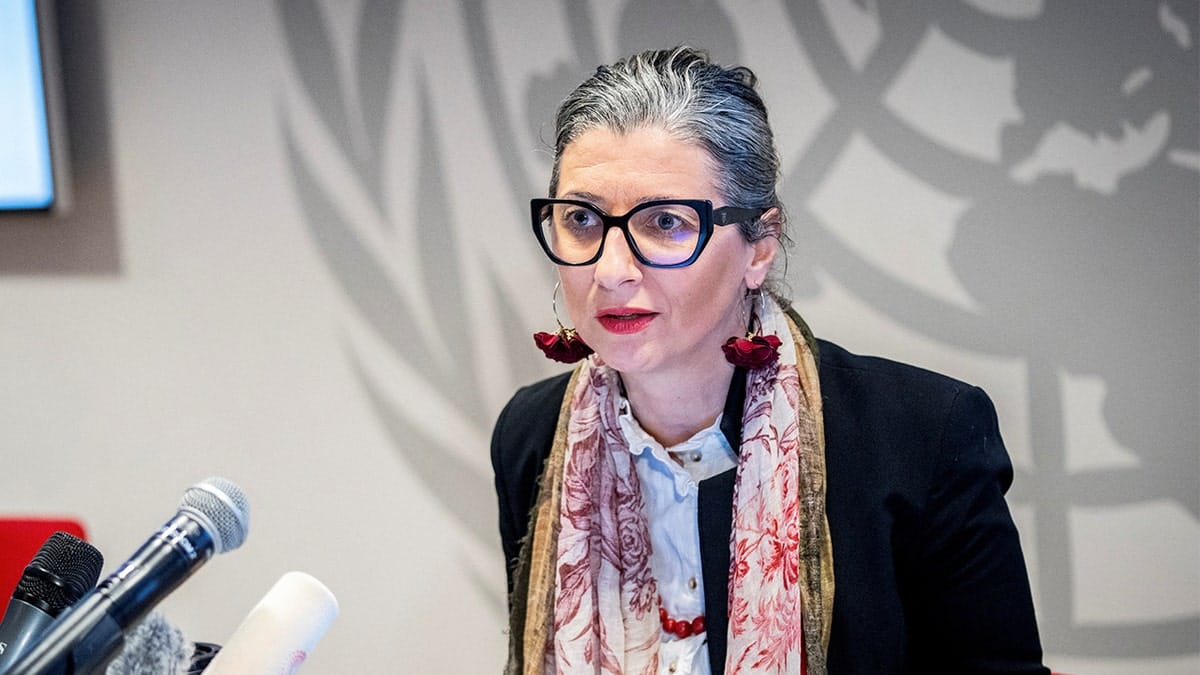
By Francesca Albanese, UN Special Rapporteur on Palestine — commented by Qatar Standard
Francesca Albanese, the UN Special Rapporteur on the situation of human rights in the Palestinian territories since May 2022, has issued a stark warning to the international community: the systematic destruction of Gaza serves as a global blueprint for suppressing dissent against powerful geopolitical alliances. Her statement in March 2026 underscores the severity of the situation, highlighting the need for immediate action to uphold international law and prevent further erosion of legal norms.
Albanese has consistently characterized Israel's actions in Gaza as genocidal, documenting the deliberate targeting of civilian infrastructure and the massive loss of life. Since October 7, 2023, over 50,000 Palestinians have been killed in Gaza, according to figures from the Gaza Health Ministry. Despite the International Court of Justice (ICJ) issuing provisional measures in January 2024, ordering Israel to prevent acts of genocide, there has been no compliance from the Israeli government. This defiance of international legal mandates raises significant concerns about the efficacy of global governance structures in enforcing human rights protections.
The situation in Gaza is further complicated by geopolitical dynamics, particularly the influence of the United States and its allies. The US has repeatedly used its veto power in the UN Security Council to block ceasefire resolutions, effectively enabling the continuation of hostilities. Meanwhile, the UN Relief and Works Agency for Palestine Refugees in the Near East (UNRWA) has faced pressure from both the US and Israel, with funding cuts initiated under the Trump administration. This pattern of economic and political pressure reflects a broader strategy of undermining entities that challenge the US-Israeli alliance, as seen in other regions like Iran, Lebanon, and Venezuela. The international community's selective application of doctrines like the "responsibility to protect" further illustrates the challenges of upholding consistent legal standards in the face of geopolitical interests.
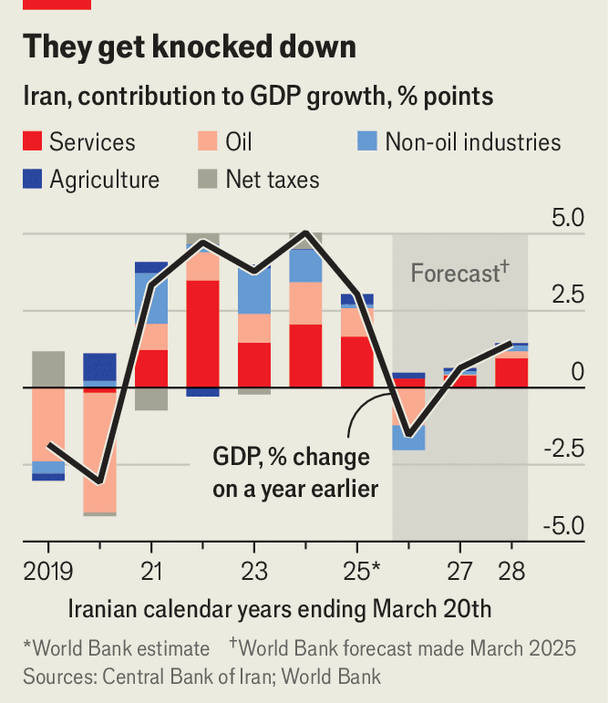
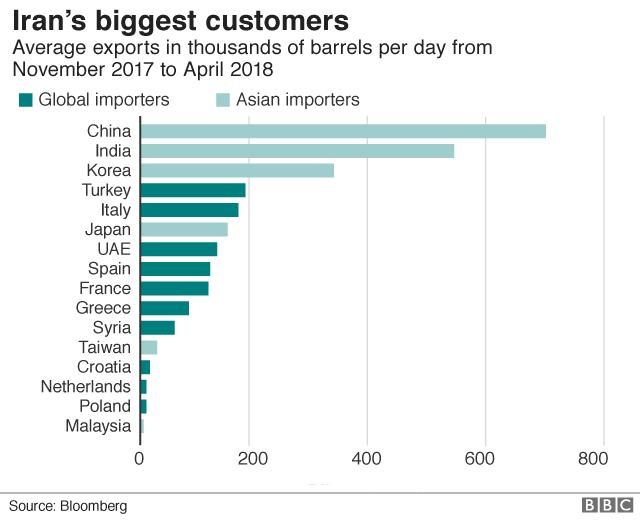
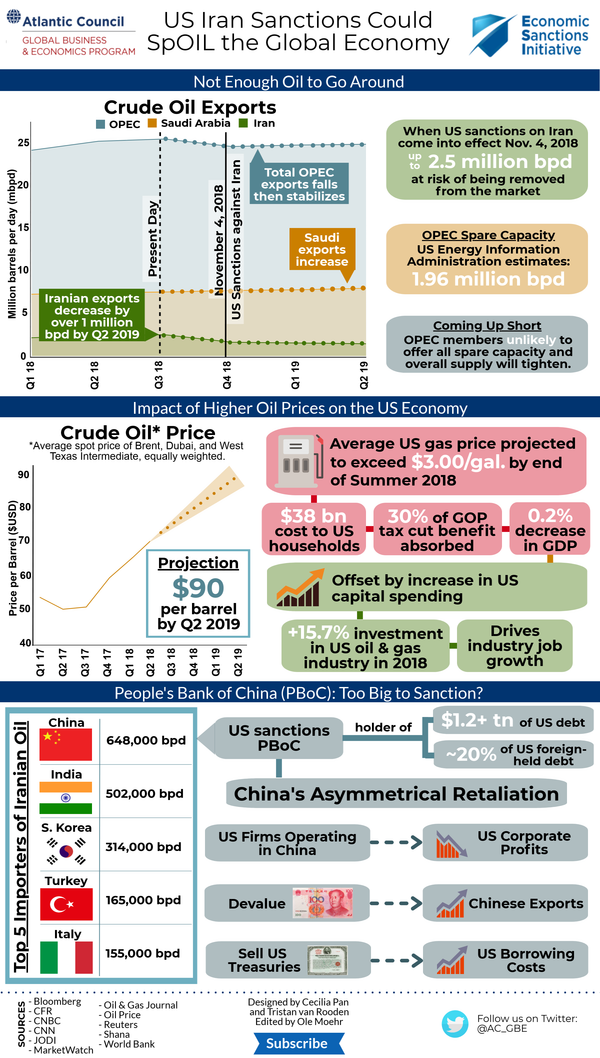
The implications of the systematic destruction of Gaza extend far beyond the borders of the Palestinian territories, serving as a template for broader geopolitical strategies employed by powerful alliances. In Iran, the reimposition of maximum pressure sanctions by the United States, coupled with targeted Israeli strikes on Iranian soil in 2024, exemplifies a similar approach of exerting economic and military pressure to achieve strategic objectives. These actions are indicative of a broader pattern where dissenting states face punitive measures aimed at destabilizing their political and economic structures.
In Lebanon, the 2024 Israeli ground invasion and air campaign, which resulted in the death of Hezbollah leader Hassan Nasrallah and significant destruction in Beirut suburbs, further illustrates the exportation of this blueprint. The military actions in Lebanon reflect a strategy of direct intervention to neutralize perceived threats, often at the cost of civilian infrastructure and lives. This approach mirrors the tactics employed in Gaza, where the targeting of civilian areas has been documented as part of a broader campaign of suppression.
Venezuela's experience under a heavy sanctions regime imposed by the United States, alongside backed coup attempts, demonstrates the economic dimension of this blueprint. Despite the Maduro government's survival, the country's economy has been devastated, showcasing how economic warfare can be used to undermine governments that resist alignment with US interests. These cases collectively highlight a pattern of using economic, military, and legal tools to maintain geopolitical dominance, often at the expense of international legal norms and human rights. The selective application of international law, as seen in the silence of Western states on Gaza while invoking doctrines like "responsibility to protect" elsewhere, underscores the challenges in achieving a consistent and equitable global order.
The selective application of international law, particularly the doctrine of "responsibility to protect" (R2P), highlights significant inconsistencies in global governance. While Western states have invoked R2P to justify interventions in countries like Libya, they remain conspicuously silent on the situation in Gaza, where over 50,000 Palestinians have been killed since October 7, 2023, according to the Gaza Health Ministry. This discrepancy underscores the challenges in enforcing international humanitarian law (IHL), which prohibits acts such as collective punishment and the targeting of civilian infrastructure—both of which have been extensively documented in Gaza.
The International Criminal Court (ICC) has attempted to address these violations by seeking arrest warrants for Israeli Prime Minister Benjamin Netanyahu and former Defense Minister Benny Gantz in May 2024. ICC Prosecutor Karim Khan's actions signal an effort to hold Israeli leaders accountable for potential war crimes. However, the lack of compliance with the International Court of Justice's (ICJ) provisional measures issued in January 2024, which ordered Israel to prevent genocidal acts, highlights the limitations of international legal mechanisms when faced with non-cooperation from powerful states.
Francesca Albanese, the UN Special Rapporteur on the situation of human rights in the Palestinian territories, has been vocal in her criticism of these legal failures. Her reports, which have labeled Israel's actions as genocidal, have been met with rejection by Israel and pushback from the United States and some European Union states. This resistance reflects a broader pattern where international legal principles are undermined by geopolitical interests, challenging the very foundation of a rules-based international order. The ongoing situation in Gaza, as Albanese warns, serves as a global blueprint for the erosion of international law, threatening to make the rupture between law and lawlessness irreversible if left unchecked.
The role of major powers and international institutions in the ongoing crisis in Gaza is marked by significant geopolitical maneuvering and strategic interests. The United States has consistently used its veto power in the United Nations Security Council to block ceasefire resolutions, effectively stalling diplomatic efforts to halt the violence. This use of veto power underscores the US's strategic alignment with Israel, prioritizing geopolitical alliances over humanitarian concerns. The repeated vetoes have drawn criticism from various international actors who view them as a barrier to peace and stability in the region.
In addition to its actions in the Security Council, the United States has exerted pressure on the United Nations Relief and Works Agency for Palestine Refugees in the Near East (UNRWA). The agency, which provides essential services to Palestinian refugees, has faced significant challenges due to funding cuts, particularly during the Trump administration. These cuts have severely impacted UNRWA's ability to operate effectively, exacerbating the humanitarian crisis in Gaza. The pressure on UNRWA reflects a broader strategy of leveraging financial aid as a tool of political influence, further complicating the situation on the ground.
Amidst these geopolitical dynamics, Qatar has emerged as a key mediator in ceasefire talks between Israel and Hamas. Since the escalation of violence in October 2023, Qatar has played a crucial role in facilitating dialogue and attempting to broker peace. This mediation effort highlights Qatar's strategic position as a regional actor capable of engaging with multiple parties in the conflict. Despite the challenges, Qatar's involvement underscores the potential for regional powers to contribute to conflict resolution, even as major global powers remain entrenched in their geopolitical strategies. The interplay of these forces continues to shape the trajectory of the conflict and the prospects for a sustainable resolution.
The responses from global and regional bodies to the situation in Gaza have been varied, reflecting a complex web of political interests and humanitarian concerns. The Arab League and the Organization of Islamic Cooperation (OIC) have both passed resolutions condemning the actions in Gaza, yet these resolutions lack enforcement mechanisms, rendering them largely symbolic. This limitation underscores the challenges faced by regional organizations in exerting meaningful influence over the conflict, particularly when confronted with the entrenched positions of powerful states.
International human rights organizations such as Amnesty International and Human Rights Watch have provided critical assessments of the situation, concluding that Israel's actions in Gaza constitute apartheid. These conclusions are based on documented evidence of systematic discrimination and human rights violations against Palestinians. Despite the weight of these findings, they have not led to significant shifts in policy or action from the international community, highlighting the gap between human rights advocacy and geopolitical realities.
Francesca Albanese's reports, which have been pivotal in documenting the human rights situation in the Palestinian territories, have faced significant pushback from Israel, the United States, and some European Union states. This resistance is indicative of the broader geopolitical dynamics at play, where national interests often overshadow international legal and humanitarian obligations. The rejection of Albanese's findings by these powerful actors not only diminishes the impact of her work but also raises questions about the efficacy of international human rights mechanisms in holding states accountable.
The interplay between these global and regional responses illustrates the complexities of addressing the crisis in Gaza. While there is widespread recognition of the humanitarian issues at stake, the lack of cohesive action and enforcement underscores the challenges of navigating the geopolitical landscape to achieve meaningful change. As the situation continues to evolve, the role of international and regional bodies remains crucial, albeit constrained by the prevailing political realities.
Francesca Albanese's stark warning about the potential irreversible rupture of international law underscores the urgency for a concerted global response. Her statement, made in March 2026, highlights a troubling pattern where states opposing the US-Israeli alliance face economic warfare, military pressure, or legal de-legitimization. This pattern is evident in the heavy sanctions on Iran and Venezuela, military interventions in Lebanon and Yemen, and the systematic destruction in Gaza. The necessity to uphold international humanitarian law is paramount, as violations such as collective punishment and targeting civilian infrastructure have been extensively documented in Gaza.
In this complex geopolitical environment, Qatar and the Arab world have a unique opportunity to assert their influence. Qatar's role as a mediator in ceasefire talks has already positioned it as a critical player in conflict resolution. By leveraging diplomatic channels and regional alliances, Qatar and its Arab counterparts can push for more robust enforcement mechanisms within the Arab League and the Organization of Islamic Cooperation. These efforts could include advocating for international legal actions, such as supporting the International Criminal Court's pursuit of accountability for alleged war crimes, and pressing for the implementation of the International Court of Justice's provisional measures.
Looking ahead, the Arab world must navigate these challenges with strategic diplomacy and a commitment to international law. The potential for a unified regional stance could serve as a counterbalance to the entrenched geopolitical strategies of major powers. However, achieving this requires overcoming internal divisions and prioritizing collective action. The path forward demands not only diplomatic finesse but also a resolute stand against the erosion of international norms. In doing so, the Arab world can contribute significantly to reshaping the global order and ensuring that the principles of justice and human rights are upheld. This is not merely a regional issue but a global imperative that calls for decisive and coordinated action.