UAE and Saudi Arabia: Strengthening Energy Ties Amid Global Sanctions
Explore how UAE and Saudi Arabia are navigating energy trade partnerships amidst global sanctions and evolving geopolitical landscapes.

The energy trade partnership between the United Arab Emirates (UAE) and Saudi Arabia is undergoing significant transformation amid shifting global dynamics and sanctions. The temporary relaxation of U.S. sanctions on Russian oil sales has notably impacted global energy markets, creating a ripple effect that has reached the Gulf region. This adjustment in sanctions has allowed Russia to benefit from a spike in energy prices, which in turn affects the strategic calculations of major oil producers like the UAE and Saudi Arabia.
Both nations are navigating a complex landscape where geopolitical events continue to influence energy prices and trade dynamics. The recent developments in Venezuela, which possesses the world's largest proven oil reserves, have the potential to alter the global energy landscape. As the Trump administration seeks to restore Venezuela’s declining oil infrastructure, the implications for oil and liquefied natural gas (LNG) markets could be profound, potentially affecting the Gulf states' energy strategies.
Moreover, the Gulf Cooperation Council (GCC) countries, including the UAE and Saudi Arabia, are experiencing a transition in their trade relations. While they are making strides in diversifying their economies, they remain heavily reliant on hydrocarbon exports. This reliance exposes them to the volatility of oil prices, which are influenced by global sanctions and geopolitical tensions. The evolving trade networks within the GCC highlight the need for these countries to strengthen regional trade relations and reassess their diversification strategies to mitigate the impact of such external pressures.
In this context, the energy sectors of the UAE and Saudi Arabia are strategically positioning themselves to adapt to these global shifts. The temporary easing of sanctions on Russian oil, coupled with the potential resurgence of Venezuelan oil production, underscores the importance of agility and foresight in their energy trade policies.
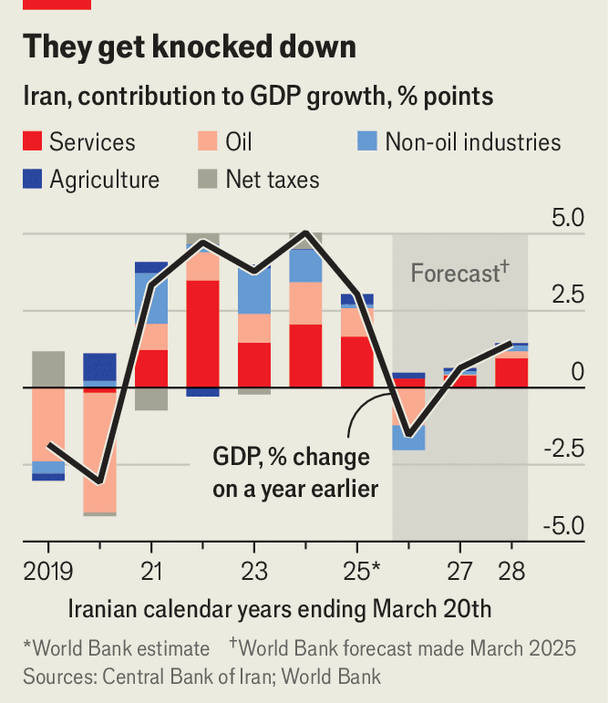
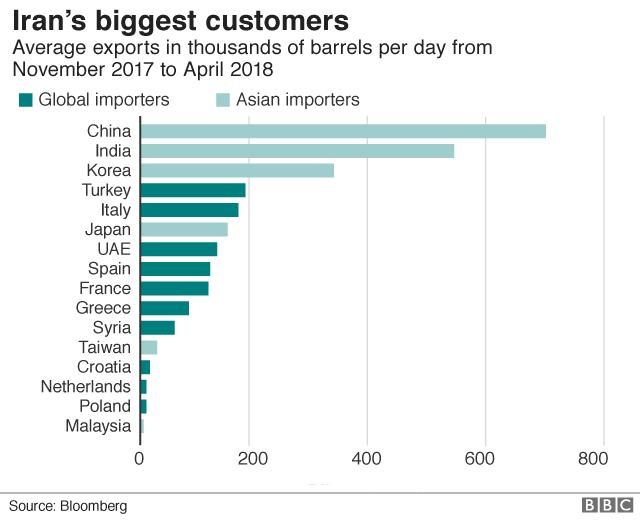
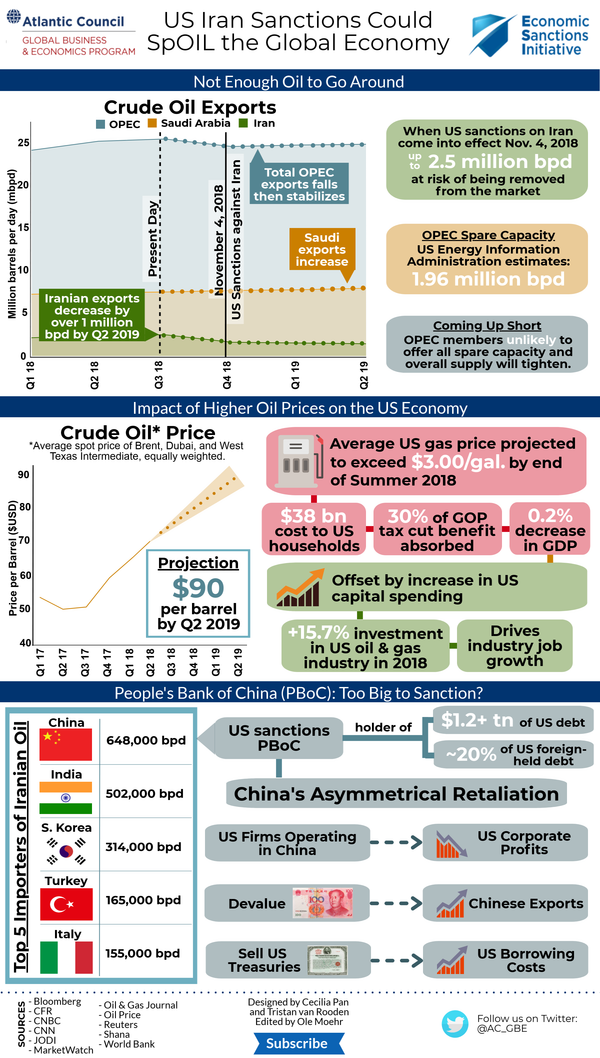
The Gulf region's energy markets are significantly influenced by a complex web of international sanctions, particularly those targeting Iran and Russia. These sanctions have inadvertently created opportunities for the UAE and Saudi Arabia to enhance their positions as leading energy exporters. Iran, once a dominant player in the oil market, has seen its influence wane due to stringent sanctions that restrict its oil exports. This has allowed Saudi Arabia and the UAE to capture a larger share of the market, as they are not subject to the same limitations.
Similarly, sanctions on Russia, despite their temporary relaxation, have altered the dynamics of global energy trade. The easing of U.S. sanctions on Russian oil has led to a temporary spike in energy prices, which benefits oil-rich Gulf states. However, the uncertainty surrounding future sanctions on Russia keeps the market volatile, compelling the UAE and Saudi Arabia to remain vigilant and adaptable in their trade strategies.
Energy prices play a crucial role in shaping trade relations for the Gulf states. As major oil exporters, the UAE and Saudi Arabia are acutely aware of the impact of fluctuating oil prices on their economies. High energy prices can lead to increased revenues, providing these nations with the financial resources to invest in diversification initiatives and strengthen their economic resilience. Conversely, low prices can strain their budgets, emphasizing the need for strategic planning and regional cooperation within the GCC to mitigate such risks.
In conclusion, while sanctions on Iran and Russia present challenges, they also offer strategic openings for the UAE and Saudi Arabia to solidify their energy trade partnerships and leverage their oil production capabilities. By capitalizing on these opportunities, the Gulf states can enhance their economic stability and influence in the global energy market.
The energy trade relationship between the UAE and Saudi Arabia has evolved significantly over the past two decades, marked by strategic collaborations and mutual interests in maintaining regional energy dominance. Historically, both nations have been pivotal players in the global oil market, leveraging their vast reserves to influence global energy dynamics. The formation of the Gulf Cooperation Council (GCC) in 1981 laid the groundwork for enhanced cooperation, but it was the early 2000s that saw a more concerted effort to align their energy policies.
In 2006, the establishment of the Dolphin Gas Project, a landmark initiative, exemplified the deepening energy ties between the two countries. This project, which involves the production and transportation of natural gas from Qatar to the UAE and Oman, underscored the importance of regional energy integration. Although Saudi Arabia is not directly involved in the Dolphin Project, the initiative highlighted the broader regional cooperation that includes both the UAE and Saudi interests.
Over the years, the UAE and Saudi Arabia have also engaged in joint ventures and investments aimed at bolstering their energy sectors. In 2016, the Saudi Vision 2030 and the UAE Vision 2021 initiatives were launched, both emphasizing the need for economic diversification and reduced reliance on oil revenues. These visions have encouraged bilateral cooperation in renewable energy projects and technological advancements in the energy sector.
Regional conflicts, such as the ongoing tensions with Iran and the conflict in Yemen, have also influenced the energy relationship between the UAE and Saudi Arabia. These conflicts have necessitated a unified stance on energy security and stability, further solidifying their partnership. The shared geopolitical challenges have reinforced the need for a coordinated approach to safeguard their energy infrastructures and ensure uninterrupted supply chains.
In summary, the UAE-Saudi energy relationship has matured into a robust partnership characterized by strategic initiatives and shared goals. This evolution reflects their commitment to maintaining regional energy leadership while adapting to the shifting geopolitical landscape.
The strategic partnerships between the UAE and Saudi Arabia in the energy trade sector have been bolstered by a series of joint ventures and collaborations, particularly in the oil and gas industries. Both nations have recognized the importance of leveraging their combined resources and expertise to enhance their competitive edge in the global energy market. A key player in this dynamic is the Saudi Public Investment Fund (PIF), which has been instrumental in facilitating investments that strengthen energy ties between the two countries.
The PIF, under the leadership of Crown Prince Mohammed bin Salman, has been pivotal in driving Saudi Arabia's economic diversification and expansion into new energy markets. With assets exceeding US $925 billion, the PIF has the financial clout to support large-scale energy projects and initiatives that align with the strategic objectives of both Saudi Arabia and the UAE. This includes investments in renewable energy technologies and infrastructure, which are critical to the long-term sustainability of their energy sectors.
Looking ahead, the future prospects for energy trade partnerships between the UAE and Saudi Arabia are promising, given the global shifts towards renewable energy and the need for sustainable energy solutions. Both countries are actively exploring opportunities in solar and wind energy, aiming to reduce their carbon footprints and transition to greener energy sources. This transition is not only a response to environmental concerns but also a strategic move to maintain their leadership in the evolving energy landscape.
As global energy dynamics continue to shift, the UAE and Saudi Arabia are well-positioned to capitalize on emerging opportunities. Their ongoing collaboration and strategic investments in both traditional and renewable energy sectors will likely ensure their continued influence and stability in the global energy market.
The global energy market has been characterized by significant volatility, driven by supply chain disruptions and geopolitical tensions. For the UAE and Saudi Arabia, these challenges have necessitated the adoption of strategic measures to safeguard their energy trade interests. Both nations have been proactive in addressing these disruptions by enhancing infrastructure resilience and diversifying their energy export portfolios.
One key strategy has been the investment in advanced logistics and storage facilities, which helps mitigate the risks associated with supply chain interruptions. By expanding their storage capacities and improving distribution networks, the UAE and Saudi Arabia have ensured a more stable supply of energy products to global markets. This approach not only buffers against short-term disruptions but also strengthens their long-term energy security.
Diversification of energy exports has emerged as a critical component of their strategy. While oil remains a dominant export, both countries are increasingly investing in liquefied natural gas (LNG) and renewable energy sources. This diversification reduces dependency on a single commodity and opens new markets, thereby enhancing economic resilience. The UAE, for instance, has made significant strides in solar energy, with projects like the Mohammed bin Rashid Al Maktoum Solar Park, while Saudi Arabia has launched initiatives under its Vision 2030 to develop its renewable energy sector.
Furthermore, the UAE and Saudi Arabia have sought to strengthen regional and international partnerships to bolster their energy trade networks. By fostering collaborations with key global players, they aim to secure stable demand for their energy exports, even amid global market fluctuations. These efforts underscore their commitment to maintaining a leading role in the global energy landscape, despite the inherent volatility of the market.
The potential for renewable energy collaborations between the UAE and Saudi Arabia is substantial, particularly as both nations seek to diversify their energy portfolios and reduce carbon emissions. With the UAE's established leadership in solar energy projects, such as the Mohammed bin Rashid Al Maktoum Solar Park, and Saudi Arabia's ambitious Vision 2030, which includes significant investments in wind and solar power, the groundwork for a robust partnership in renewables is already in place. Joint ventures in renewable technologies could enhance energy efficiency and drive innovation, positioning both countries as leaders in the global transition to sustainable energy.
Post-sanctions, both the UAE and Saudi Arabia can leverage their vast energy resources to reinforce their positions in the global market. The easing of international sanctions on other oil-producing nations, such as Iran and Venezuela, presents both challenges and opportunities. By capitalizing on their advanced infrastructure and strategic geographic locations, the UAE and Saudi Arabia can maintain competitive advantages in the oil and LNG sectors. Furthermore, their investments in renewable energy will likely attract international partnerships, offering avenues for technology transfer and expertise sharing.
International partnerships will play a crucial role in shaping the future energy policies of both nations. Collaborations with leading energy companies and research institutions can facilitate access to cutting-edge technologies and best practices, accelerating the transition to a diversified energy mix. As global energy demand evolves, the UAE and Saudi Arabia's ability to adapt and innovate will be critical. Observers should watch for strategic alliances and policy shifts that prioritize sustainability and energy security.
In conclusion, the UAE and Saudi Arabia are poised to strengthen their energy cooperation, driven by mutual interests in renewable energy and economic resilience. Their proactive strategies and international collaborations will likely ensure that both nations remain influential players in the global energy landscape, navigating the complexities of a post-sanctions world with agility and foresight.