Iran Faces Sanctions Impact on Energy Sector and Regional Trade
Explore how sanctions on Iran's energy sector reshape regional trade and politics.

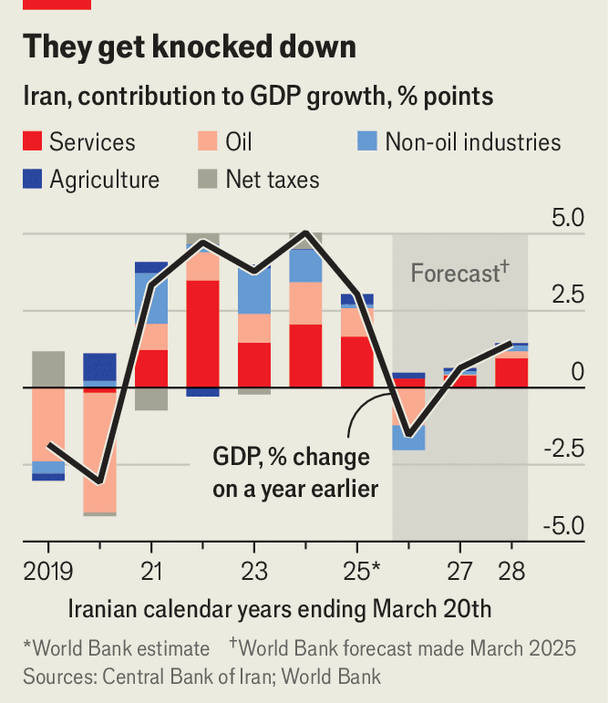
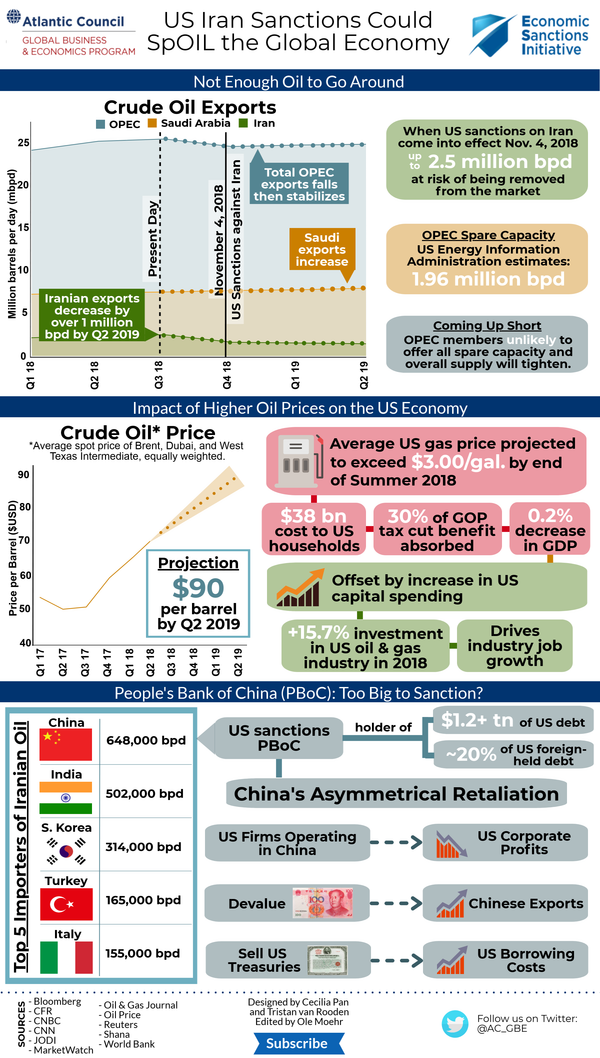
The imposition of international sanctions on Iran's energy sector has been a defining element of global economic policy, with profound implications for regional and international trade. The most significant development in this context was the re-imposition of sanctions by the United States in November 2018, following its withdrawal from the Joint Comprehensive Plan of Action (JCPOA) earlier that year. These sanctions targeted Iran's oil exports, a crucial component of its economy, aiming to reduce them to zero.
Sanctions on Iran's energy sector have a long history, with the United Nations Security Council playing a pivotal role. Resolution 1929, adopted in June 2010, marked a significant escalation, prohibiting Iran from investing in nuclear-related activities and imposing restrictions on its financial and energy sectors. This resolution was part of a broader strategy to compel Iran to halt its nuclear enrichment program. The European Union has also been a key actor, implementing an oil embargo in 2012, which further isolated Iran from global energy markets.
The legal frameworks underpinning these sanctions are rooted in international law and agreements. The United Nations Security Council resolutions, alongside the U.S. domestic laws such as the Iran Sanctions Act, form the backbone of the legal measures used to exert pressure on Tehran. These frameworks have been supported by major international actors, including the United States, the European Union, and their allies, who have consistently advocated for a stringent approach to curb Iran's nuclear ambitions.
Despite the intended political objectives, the sanctions have had significant humanitarian impacts, as reported by various human rights organizations. These groups have highlighted the adverse effects on Iranian civilians, including shortages of essential goods and inflation. The sanctions have also reshaped regional trade dynamics, affecting Iran's relationships with its trading partners and altering the strategic landscape of the Gulf region, particularly impacting countries like Qatar.
Iran's energy sector has historically been a cornerstone of its economic and political landscape, serving as both a vital source of revenue and a tool of geopolitical influence. The country's vast reserves of oil and natural gas have positioned it as a key player in the global energy market. Iran holds the world's fourth-largest proven crude oil reserves and the second-largest natural gas reserves, making its energy sector a critical component of national income.
The development of Iran's oil industry dates back to the early 20th century, with the discovery of oil in 1908 marking the beginning of its transformation into a major economic force. The nationalization of the oil industry in 1951 under Prime Minister Mohammad Mossadegh was a pivotal moment, asserting control over its resources and setting the stage for future economic policies. The energy sector's revenues have been instrumental in funding Iran's development projects, infrastructure, and social programs, underpinning the country's economic growth.
Politically, Iran has leveraged its energy resources to exert influence in regional and international affairs. Its strategic location and energy reserves have enabled it to forge alliances and engage in diplomatic negotiations, often using oil exports as a bargaining chip. The energy sector has also been a point of contention in Iran's relations with Western powers, particularly concerning its nuclear program and the subsequent imposition of sanctions.
Regionally, Iran's energy sector plays a significant role in its interactions with neighboring countries. It has engaged in energy trade with countries like Iraq and Turkey, while also competing with Gulf states for market share. The sector's evolution reflects Iran's broader strategic ambitions, as it seeks to maintain its status as a regional power despite external pressures and economic challenges.
The imposition of sanctions on Iran's energy sector has had profound consequences for its civilian population, as documented by numerous human rights organizations. These sanctions, aimed at curbing Iran's nuclear ambitions, have inadvertently exacerbated economic hardships for ordinary Iranians. Reports from organizations such as Human Rights Watch and Amnesty International have highlighted the severe inflation and shortages of essential goods that have ensued, affecting the daily lives of millions.
The economic strain is most acutely felt in the form of skyrocketing prices for basic necessities, including food and medicine. The devaluation of the Iranian rial, a direct consequence of the sanctions, has significantly reduced the purchasing power of Iranian households. This financial pressure has led to increased poverty levels, with many families struggling to afford basic healthcare and education. The sanctions have also disrupted Iran's ability to import critical medical supplies, leading to shortages that have particularly impacted vulnerable groups such as the elderly and those with chronic illnesses.
Socially, the sanctions have contributed to a growing sense of frustration and disillusionment among the Iranian populace. The economic difficulties have fueled public discontent and have been a catalyst for protests, as citizens demand relief from the economic isolation imposed by international sanctions. The Iranian government, in response, has faced mounting pressure to find alternative ways to stabilize the economy and address the grievances of its citizens.
Overall, while the sanctions are intended to apply pressure on the Iranian government, their ramifications have been felt most keenly by the civilian population, underscoring the complex interplay between international policy and human rights. The humanitarian impact of these measures continues to be a point of concern for global human rights advocates, who call for a more balanced approach that considers the welfare of the Iranian people.
The sanctions imposed on Iran's energy sector have reverberated throughout the Gulf region, significantly impacting economic and strategic dynamics. Qatar, a key player in the global energy market, has experienced shifts in regional energy trade patterns due to these sanctions. As Iran's ability to export oil and gas has been curtailed, Qatar has seized opportunities to expand its market share, particularly in liquefied natural gas (LNG). This strategic advantage has bolstered Qatar's economic standing, allowing it to strengthen its position as a leading LNG exporter.
Moreover, the sanctions have led to shifts in regional energy markets, with Gulf states adjusting their strategies to accommodate the changing landscape. Countries such as Saudi Arabia and the United Arab Emirates have increased their production to fill the void left by Iran, seeking to attract new customers and solidify their roles as dominant energy suppliers. This realignment has intensified competition among Gulf states, as they vie for influence and market dominance in the absence of Iranian participation.
Strategically, the sanctions have prompted realignments within the Gulf Cooperation Council (GCC) as member states reassess their alliances and economic partnerships. The isolation of Iran has encouraged closer collaboration among GCC countries, fostering a more unified approach to regional security and economic development. Qatar, in particular, has leveraged its energy resources and diplomatic channels to enhance its geopolitical influence, navigating the complexities of regional politics with a focus on maintaining stability and fostering growth.
Overall, the sanctions on Iran's energy sector have reshaped the Gulf's economic and strategic landscape, prompting countries like Qatar to adapt and capitalize on new opportunities. The evolving dynamics underscore the interconnected nature of regional trade and diplomacy, as Gulf states continue to navigate the challenges and opportunities presented by the ongoing sanctions regime.
The imposition of sanctions on Iran's energy sector has elicited varied responses from neighboring countries and major international powers. Regionally, countries such as Iraq and Turkey have expressed concerns over the economic and humanitarian impacts of the sanctions, given their close trade ties with Iran. Iraq, in particular, has been vocal about the need for a balanced approach, emphasizing the importance of maintaining regional stability and economic cooperation.
On the international stage, the United States has been a leading advocate for the sanctions, citing Iran's nuclear ambitions and regional activities as primary concerns. The U.S. has consistently pushed for stringent measures, aiming to curtail Iran's ability to finance its nuclear program through energy revenues. The European Union, while supportive of non-proliferation efforts, has shown a more nuanced stance, advocating for diplomatic engagement alongside sanctions to address the broader geopolitical issues.
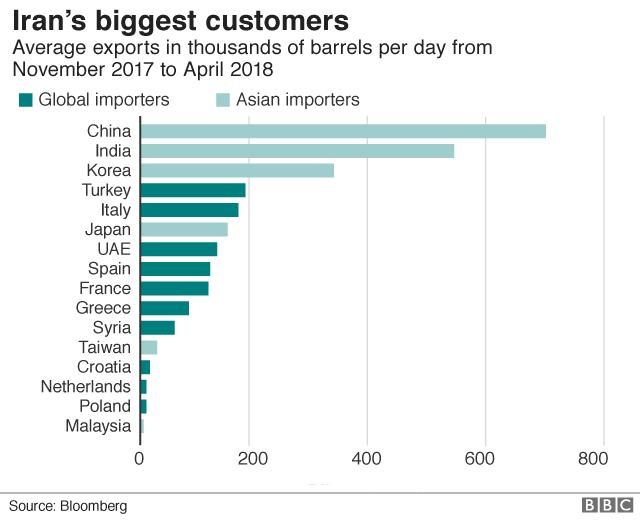
China and Russia, both significant players in global energy markets, have opposed the unilateral sanctions, arguing that they undermine international trade norms and exacerbate regional tensions. China, a major importer of Iranian oil, has sought to circumvent the sanctions through alternative payment mechanisms and barter trade, while Russia has called for dialogue and negotiation as a means to resolve the impasse.
Diplomatic efforts have been ongoing, with various international and regional actors engaging in negotiations to find a resolution. The Joint Comprehensive Plan of Action (JCPOA), signed in 2015, was a significant diplomatic achievement aimed at curbing Iran's nuclear capabilities in exchange for sanctions relief. However, its future remains uncertain, with ongoing discussions and differing viewpoints on how best to balance non-proliferation objectives with economic and humanitarian considerations.
The sanctions on Iran's energy sector have significantly altered the nation's trade relationships, compelling Iran to seek alternative markets and methods to sustain its economy. Traditionally reliant on oil exports, Iran has increasingly turned to non-oil sectors and regional trade partners willing to bypass sanctions. Countries like China and India have maintained trade relations through creative financial arrangements, such as barter systems and local currency transactions, to mitigate the impact of U.S. sanctions.
Iran's trading partners have had to adapt to this new landscape. For instance, Turkey has continued to engage in trade with Iran, albeit at reduced levels, while simultaneously seeking to diversify its energy sources to ensure stability. These adaptations highlight a broader regional shift as countries recalibrate their economic strategies in response to the sanctions regime.
In the long term, the sanctions may lead to a more fragmented regional trade environment, where bilateral agreements and alternative trade mechanisms become more prevalent. This could weaken traditional multilateral trade frameworks, posing challenges to regional economic integration efforts. The ongoing tensions surrounding the Joint Comprehensive Plan of Action (JCPOA) and its uncertain future further complicate the trade dynamics, as potential shifts in U.S. policy or a renewed agreement could dramatically alter the current landscape.
Looking ahead, key scenarios to watch include the potential for diplomatic breakthroughs that could lead to a lifting or easing of sanctions, as well as the responses of major powers like China and Russia, whose actions will significantly influence regional trade patterns. The strategic decisions made by Gulf states, particularly Qatar, in navigating these complexities will also be crucial. Ultimately, the region's economic future hinges on the interplay between geopolitical negotiations and the evolving sanctions landscape, with significant implications for regional stability and prosperity.