Iran Faces New Sanctions Impacting Oil Exports and Regional Trade
Exploring the impact of recent sanctions on Iran's oil exports and regional trade shifts.
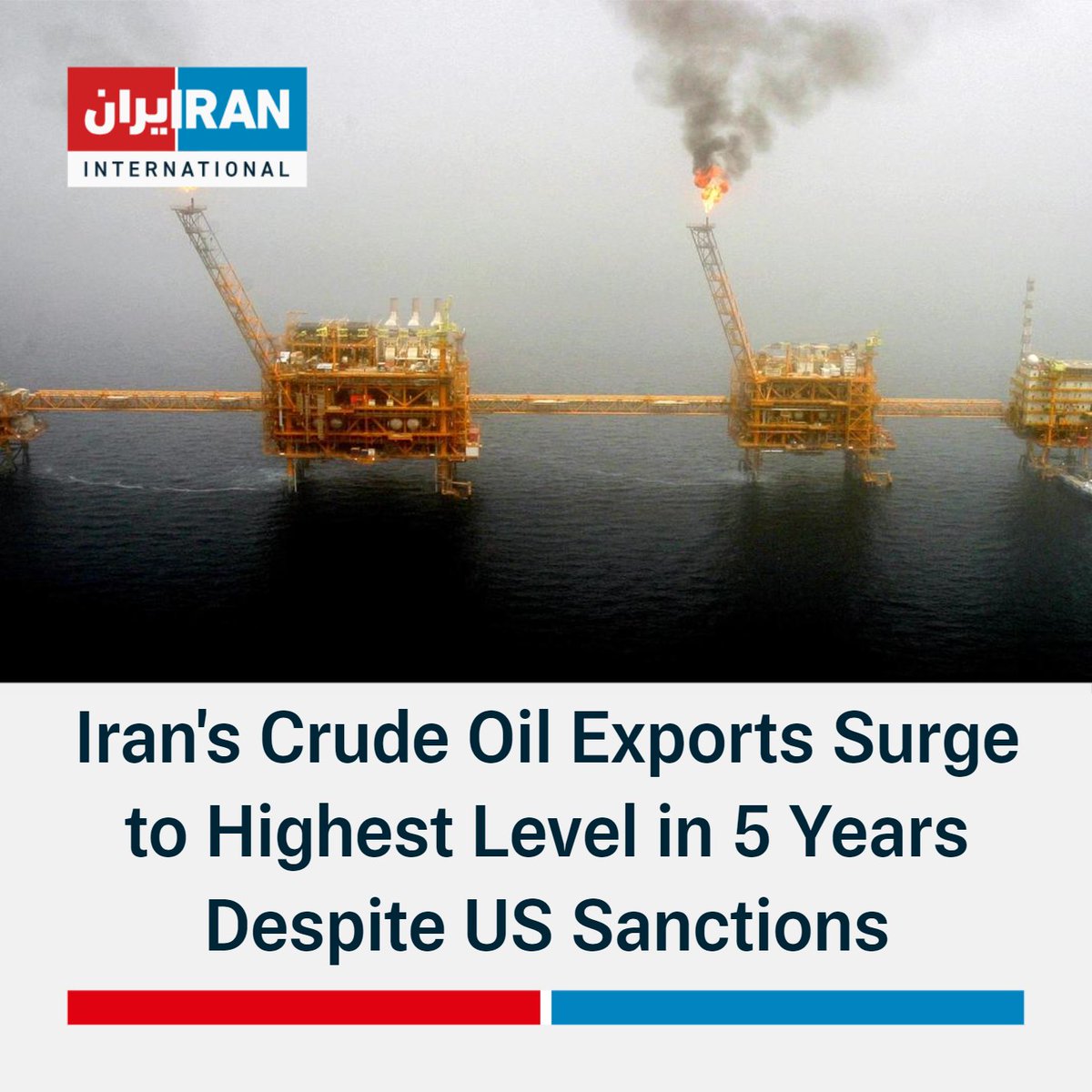
The United States has recently intensified its economic pressure on Iran by imposing a new set of sanctions specifically targeting the country's oil exports. These measures, announced in October 2023, aim to further isolate Iran economically and curtail its ability to fund activities deemed destabilizing by the international community.
The latest sanctions are part of a broader strategy by the United States to exert maximum pressure on Iran, a policy that has been in place since the U.S. withdrawal from the Joint Comprehensive Plan of Action (JCPOA) in 2018. The U.S. Department of the Treasury has identified several Iranian oil tankers and shipping networks as targets, effectively cutting them off from international financial systems. The sanctions extend to entities that facilitate the sale and transport of Iranian oil, thereby tightening the noose around Iran's primary revenue source.
In addition to the United States, the European Union has also expressed support for these measures, although it has not implemented its own sanctions at this time. The EU's backing highlights a shared concern over Iran's nuclear ambitions and regional activities. However, the EU remains committed to diplomatic solutions, maintaining a delicate balance between pressure and engagement.
The primary objective of these sanctions is to deplete Iran's financial resources, which the U.S. and its allies argue are used to support proxy groups across the Middle East, including Hezbollah in Lebanon and various militias in Iraq and Syria. By targeting the oil sector, these sanctions aim to significantly reduce Iran's export revenues, which have historically been a lifeline for the Iranian economy.
These measures are enforced through a combination of diplomatic efforts and economic penalties, with the U.S. leveraging its global financial influence to ensure compliance. Countries and companies found to be in violation face substantial fines and restrictions, effectively deterring international trade with Iran. As the situation evolves, the impact of these sanctions on Iran's economy and the broader geopolitical landscape remains a critical area of observation.
Historically, sanctions on Iran have had profound effects on its economy and regional trade dynamics. The imposition of economic sanctions, particularly those targeting the oil sector, has repeatedly led to significant contractions in Iran's GDP. For instance, the sanctions regime that intensified in 2012 resulted in a dramatic decrease in oil exports, from 2.5 million barrels per day in 2011 to approximately 1 million barrels per day by 2013. This decline contributed to a recession, with the Iranian economy shrinking by 6.6% in 2012, according to the International Monetary Fund (IMF).
Sanctions have also reshaped regional trade dynamics. Iran has historically been a key player in the Middle Eastern energy market, and restrictions on its oil exports have forced regional and global markets to adjust. Countries that previously relied on Iranian oil, such as Turkey and India, have had to diversify their energy sources, often turning to Gulf countries like Saudi Arabia and the UAE to fill the gap. This shift has bolstered the economic influence of these Gulf states, altering the balance of power within the region.
Lessons from past sanctions reveal the resilience and adaptability of the Iranian economy. Despite significant economic pressures, Iran has developed alternative trade routes and partnerships, notably strengthening ties with China, which has often circumvented sanctions to continue importing Iranian oil. Additionally, Iran has invested in domestic industries to reduce dependency on imports, a strategy that has somewhat mitigated the impact of international isolation.
Overall, while sanctions have undeniably strained Iran's economy, they have also prompted strategic shifts within the region, influencing trade patterns and alliances. These historical precedents provide critical insights into the potential long-term effects of the current sanctions regime on both Iran and the broader geopolitical landscape.
The imposition of new sanctions on Iran's oil exports involves a complex network of key actors, each with distinct objectives and strategies. The United States remains the primary architect of these sanctions, leveraging its economic and diplomatic influence to curtail Iran's oil revenues. The U.S. government has consistently articulated its aim to limit Iran's financial capabilities, which it alleges are used to fund destabilizing activities across the Middle East. This strategy is part of a broader effort to exert maximum pressure on Tehran, compelling it to negotiate on issues such as its nuclear program and regional military activities.
Alongside the United States, the European Union plays a significant role, although its approach is more nuanced. While the EU supports measures to prevent Iran from acquiring nuclear weapons, it also emphasizes the importance of diplomatic engagement. This dual approach reflects the EU's broader foreign policy objectives of maintaining regional stability and preventing further escalation of tensions.
Enforcement of these sanctions is primarily achieved through financial penalties and trade restrictions. The U.S. Treasury Department, in particular, monitors global financial transactions to ensure compliance, imposing fines on entities that violate the sanctions. However, enforcement faces challenges, notably the need for international cooperation and the risk of non-compliance by countries with vested interests in Iranian oil, such as China.
China, a major global power and key trading partner of Iran, has often opposed unilateral sanctions, advocating for dialogue and multilateral solutions. Its continued importation of Iranian oil, despite sanctions, underscores the complexities of enforcement and the geopolitical balancing act involved. These dynamics highlight the divergent objectives of the actors involved, with some prioritizing economic interests and others focusing on security concerns.
The legal framework governing the sanctions on Iran's oil exports is anchored in a series of United Nations resolutions and international laws that delineate the boundaries of such economic measures. A pivotal document in this context is UN Security Council Resolution 1929, adopted in June 2010, which imposed a fourth round of sanctions on Iran in response to its nuclear activities. This resolution expanded the arms embargo and tightened restrictions on financial and shipping activities related to Iran's nuclear program.
In addition to UN mandates, the sanctions are also guided by international laws that regulate the imposition of economic measures for maintaining global peace and security. The principles of the UN Charter, particularly those concerning the maintenance of international peace and security, provide the legal basis for such sanctions. The charter allows the Security Council to take measures not involving the use of armed force to give effect to its decisions, including economic sanctions.
However, the legal debates surrounding these sanctions are multifaceted. Critics argue that unilateral sanctions, particularly those imposed by the United States, may contravene international law principles if they are deemed coercive or if they disproportionately affect the civilian population. The International Court of Justice has previously addressed issues related to sanctions, emphasizing the need for measures to comply with international humanitarian law and human rights obligations.
Furthermore, there is ongoing discourse regarding the extraterritorial application of national laws in enforcing sanctions, as seen in the U.S.'s use of its domestic legal framework to penalize foreign entities engaging with Iran. This approach raises questions about the sovereignty of states and the legitimacy of imposing domestic laws on international actors. These legal complexities underscore the challenges in balancing the enforcement of sanctions with adherence to international legal norms and the protection of human rights.
The imposition of sanctions on Iran, particularly those targeting its oil exports, has significant human rights implications for the Iranian civilian population. Non-governmental organizations (NGOs) and human rights groups have consistently raised concerns about the humanitarian impact of these economic measures. Sanctions, while aimed at pressuring the Iranian government, often inadvertently affect the general populace, leading to a deterioration in living conditions.
One of the primary areas impacted is the healthcare sector. Sanctions have made it increasingly difficult for Iran to import essential medical supplies and pharmaceuticals. The restrictions on financial transactions and trade have led to shortages of critical medications and medical equipment, adversely affecting the treatment of chronic illnesses and emergency care. Human Rights Watch and Amnesty International have documented cases where patients have been unable to access life-saving treatments, highlighting the unintended consequences of the sanctions on public health.
Additionally, the economic strain caused by sanctions has exacerbated poverty and unemployment in Iran. The devaluation of the Iranian rial and inflation have reduced purchasing power, making basic necessities unaffordable for many families. This economic hardship has led to increased food insecurity and a decline in the overall quality of life. The United Nations has expressed concern over the potential for sanctions to violate the economic and social rights of Iranian citizens, emphasizing the need for measures that do not disproportionately harm civilians.
The broader societal impact includes restrictions on educational opportunities and a decline in infrastructure development, as government resources are diverted to counter the economic challenges posed by sanctions. These factors contribute to a growing sense of disenfranchisement and frustration among the Iranian population, complicating efforts to foster stability and peace in the region. NGOs advocate for a more balanced approach to sanctions, one that considers the humanitarian needs of civilians while maintaining pressure on the Iranian government to comply with international norms.
The recent sanctions on Iran's oil exports have profound implications for the economic and strategic interests of Gulf countries, particularly Qatar. As a leading exporter of liquefied natural gas (LNG), Qatar stands to benefit from the potential reduction in Iranian oil on the global market. The sanctions could lead to increased demand for Qatari energy exports, potentially enhancing its market share and influence in the energy sector. This shift may also bolster Qatar's economic position within the Gulf Cooperation Council (GCC), as it navigates the complexities of regional trade dynamics.
For other Gulf countries, such as Saudi Arabia and the United Arab Emirates, the sanctions present both opportunities and challenges. On one hand, the reduction of Iranian oil exports could lead to higher oil prices, benefiting these oil-dependent economies. On the other hand, the geopolitical tensions associated with the sanctions could disrupt regional trade routes and complicate diplomatic relations. Saudi Arabia, in particular, may view the sanctions as a strategic advantage in its ongoing rivalry with Iran, potentially using the situation to strengthen its alliances with Western powers and assert its leadership within the GCC.
Moreover, the sanctions could prompt a reevaluation of regional economic alliances. Countries like the UAE, which have historically maintained trade ties with Iran, might need to adjust their strategies to comply with international sanctions while safeguarding their economic interests. This realignment could lead to a more fragmented regional economic landscape, with countries seeking new partnerships and trade routes to mitigate the impact of the sanctions. As Gulf countries navigate these changes, their ability to adapt and leverage their strategic positions will be crucial in shaping the future of regional trade and energy markets.
Saudi Arabia and the United Arab Emirates have largely supported the new sanctions on Iran, viewing them as a strategic opportunity to curb Iranian influence in the region. Saudi Arabia, in particular, sees the sanctions as a means to weaken Iran's economic capabilities, thereby diminishing its ability to fund proxy groups across the Middle East. The UAE, while supportive, must carefully balance its economic interests, given its historical trade ties with Iran. Both countries are likely to leverage the situation to strengthen their alliances with Western powers, particularly the United States, which has been a key proponent of the sanctions.
The European Union has expressed concerns about the humanitarian impact of the sanctions on the Iranian population but remains committed to diplomatic solutions that address Iran's nuclear ambitions. The EU's position is complicated by its economic interests in maintaining trade relations with Iran, as well as its reliance on Middle Eastern energy supplies. Meanwhile, China has openly criticized the sanctions, emphasizing the importance of dialogue and negotiation. As a major importer of Iranian oil, China is likely to continue its trade relations with Iran, potentially undermining the effectiveness of the sanctions.
Globally, the sanctions on Iran could lead to shifts in trade relations, with countries reassessing their energy dependencies and strategic alliances. The potential for increased oil prices may benefit some economies while straining others, particularly those heavily reliant on energy imports. As the situation unfolds, key developments to watch include Iran's response to the sanctions, potential retaliatory measures, and any shifts in regional alliances. The evolving dynamics will test the resilience of existing trade networks and could prompt the emergence of new economic partnerships. Ultimately, the effectiveness of the sanctions will hinge on the international community's ability to maintain a unified stance while addressing the humanitarian concerns associated with such measures.